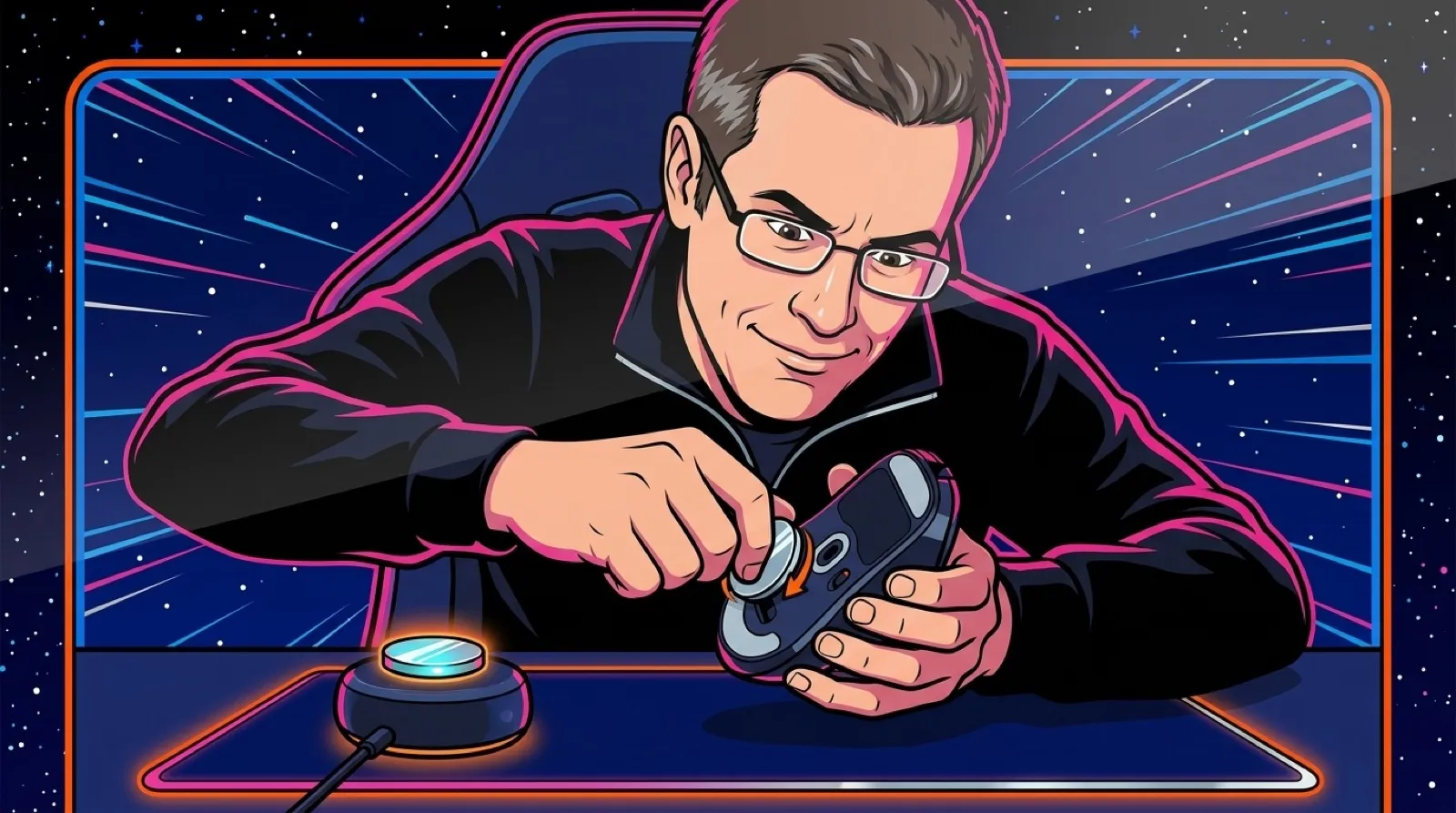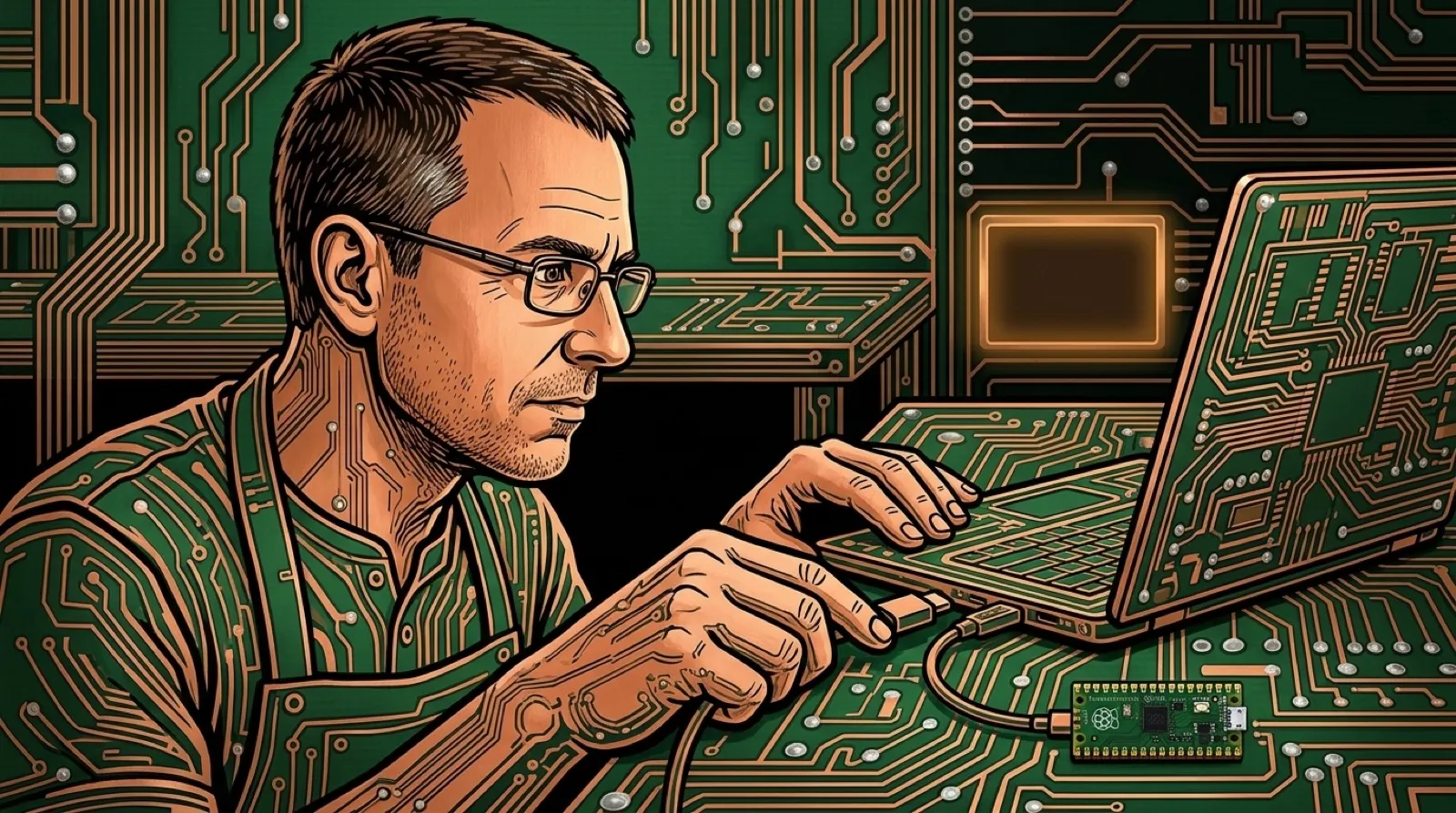
A Raspberry Pi Pico adapter reaches an Apple Silicon Mac’s hidden USB-C serial console
A custom service adapter exposes a recovery conversation that a silent screen cannot show.
By Chris PirilloRead the story
A custom service adapter exposes a recovery conversation that a silent screen cannot show.
By Chris PirilloRead the story
A custom service adapter exposes a recovery conversation that a silent screen cannot show.
By Chris PirilloRead the story
A small Mac utility keeps the documentation beside the terminal, with a catch for anyone sharing command packs.
By Chris PirilloRead the story
Dave Maher rebuilt the site Jeff Boulter started as a Bucknell student. Every outlet's version of an event now sits in one story, ordered by who got there first, and the maker says an old login opens your original paper.
By Chris PirilloRead the story
Fernando Corbató's surviving reply settles a bit of computer folklore that keeps acquiring extra capital letters.
By Chris PirilloRead the story
The project separates a device's region code from its sales region and records original values before changing them.
By Chris PirilloRead the story
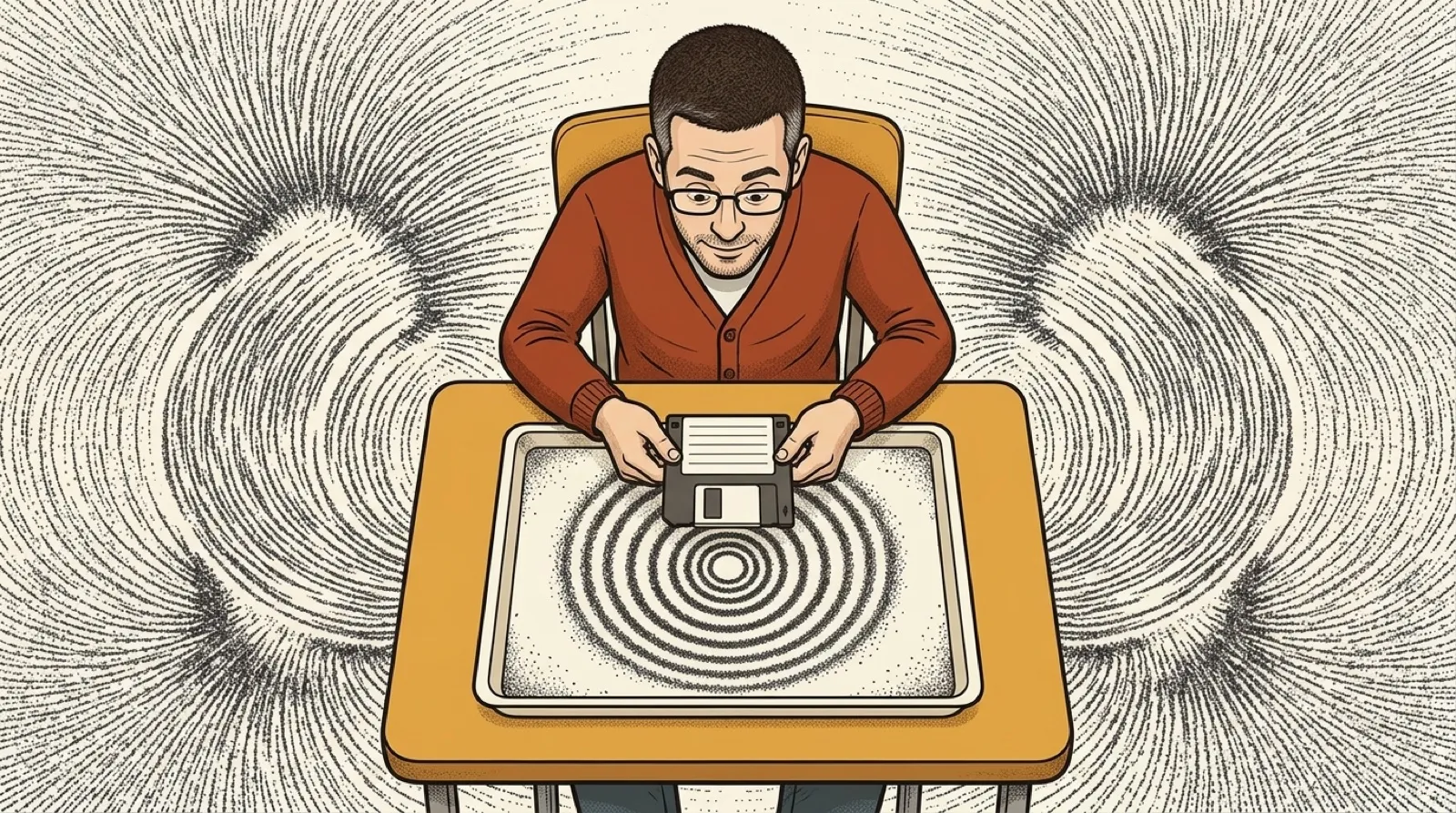
Preserving the magnetic capture keeps future recovery options beside a readable disk image.
By Chris PirilloRead the story
Slotnick went on to design the ILLIAC IV, a Defense Department and University of Illinois machine that split one job across 64 processing elements; when it first ran at NASA Ames in 1972 it reached 200 million instructions per second.
Their memo asked for four software engineers and a programmer to build a hypertext system over CERN's existing servers, in two three-month phases: first browsers for reading, then a way for users to add their own material.
1990: Web servers: 1. Today: 14.8 million. By the end of 1990 the only Web server was Tim Berners-Lee's info.cern.ch on a NeXT at CERN; Netcraft's July 2026 survey counted 14,772,048 web-facing computers serving 1,494,915,628 sites.