
OpenRCT2 lets friends build the same RollerCoaster Tycoon 2 park
The replacement engine keeps the original game files in the loop while adding modern platforms and editing tools.
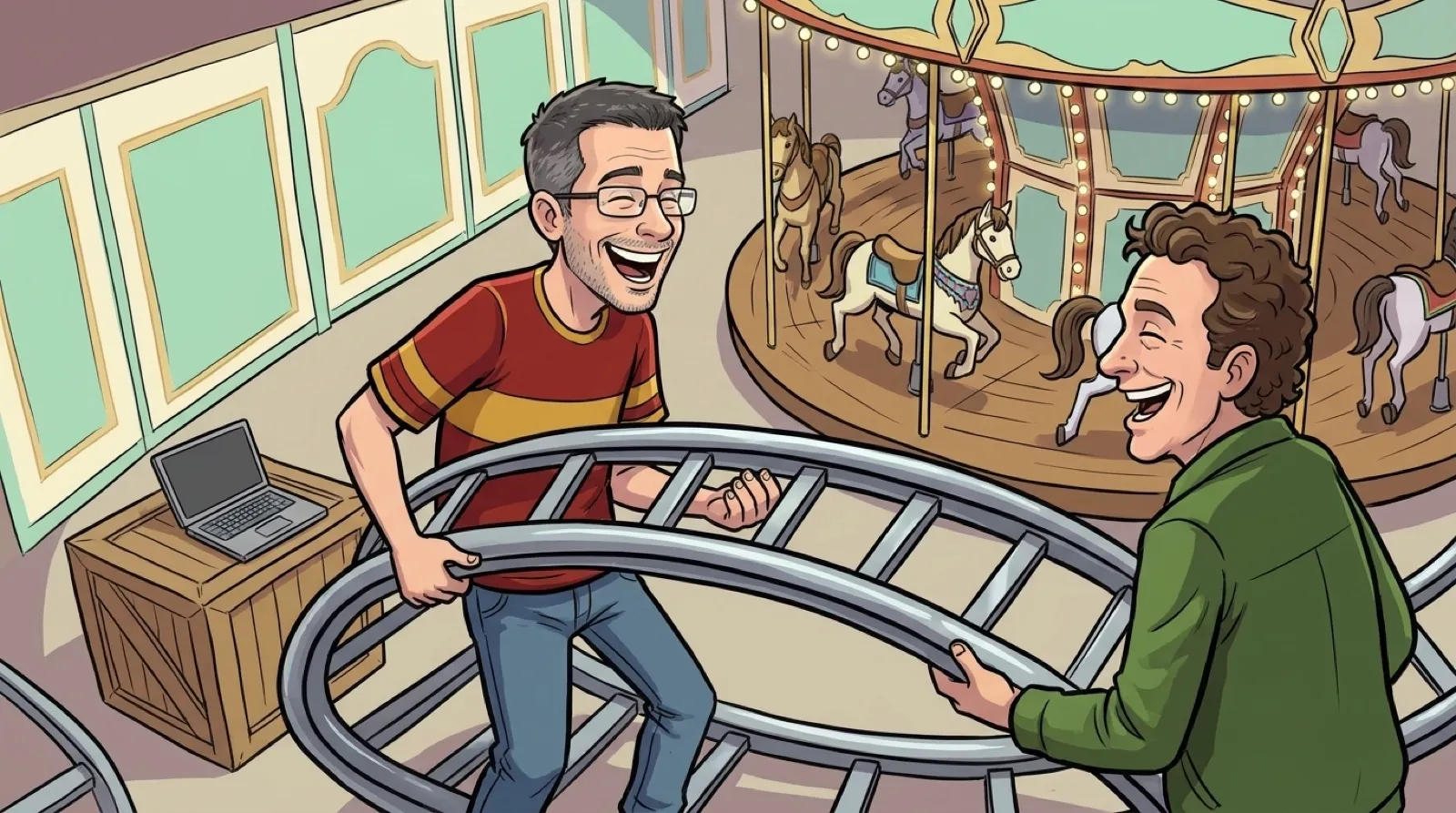
RollerCoaster Tycoon 2 can give you company in the park office. OpenRCT2 adds cooperative multiplayer, allowing a shared park to become the place where friends build together and discover just how differently they interpret a sensible ride layout.
The project’s README describes an open-source reimplementation of the game engine. The familiar jobs remain: build attractions, provide shops and facilities, keep guests happy, and maintain the park’s reputation. A second person can now participate in the same exercise in optimistic crowd management.
That is a bigger change to the experience than merely making an old executable open on a new machine. A solo construction problem becomes a collaboration problem. One person’s carefully placed facilities can share space with another person’s exciting new idea for using all the remaining room. The queue starts behind the keyboard.
The engine still needs original RollerCoaster Tycoon 2 files. The README points to Steam and GOG for the game. Somebody shopping for a physical copy can also look for RollerCoaster Tycoon 2, while checking what that particular edition includes. Free engine and included game assets are separate promises, despite how enthusiastically a download button invites confusion.
OpenRCT2 also offers scenario and sandbox play. Scenarios retain objectives and time limits. Sandbox can relax restrictions and finances, which makes sense for a group that wants to construct something ridiculous without explaining its capital allocation first (the finance department sighs).
The official site offers releases and a getting-started guide. The project documents support for current desktop platforms and additional editing tools and larger limits. Those are practical reasons to revisit a park even when multiplayer has to wait for everybody’s schedule to stop being its own management simulation.
The engine’s relationship to existing data is an important preservation choice. Rebuilding the machinery around assets makes room for improved interfaces and new features while maintaining a connection to the game people remember. It also means setup includes locating suitable original files, rather than assuming every piece arrives in the engine download.
For a shared session, lining up the game and engine before inviting everyone is the friendly move. Installation trouble is less charming when three other people are waiting to place a bathroom. The same care applies to saved parks: keeping an earlier copy makes experimenting with a different build a reversible choice.
There is room here for two kinds of nostalgia at once. A scenario can preserve the old pressure to make the place function. A sandbox can remove that pressure and let the construction itself become the entertainment. Cooperative play then supplies the entirely modern challenge of agreeing on what to build next.
More participants could make a park more ambitious, or simply make responsibility harder to assign when an area stops making sense. The tool supplies company. Whether the resulting attraction looks planned is still up to the people currently insisting that their coaster only needs a little more space.