
A 1951 Manchester computer made music with its warning hooter, and the BBC recorded it
A surviving acetate and the engineers’ recollections preserve a machine finding a second use for its end-of-program sound.
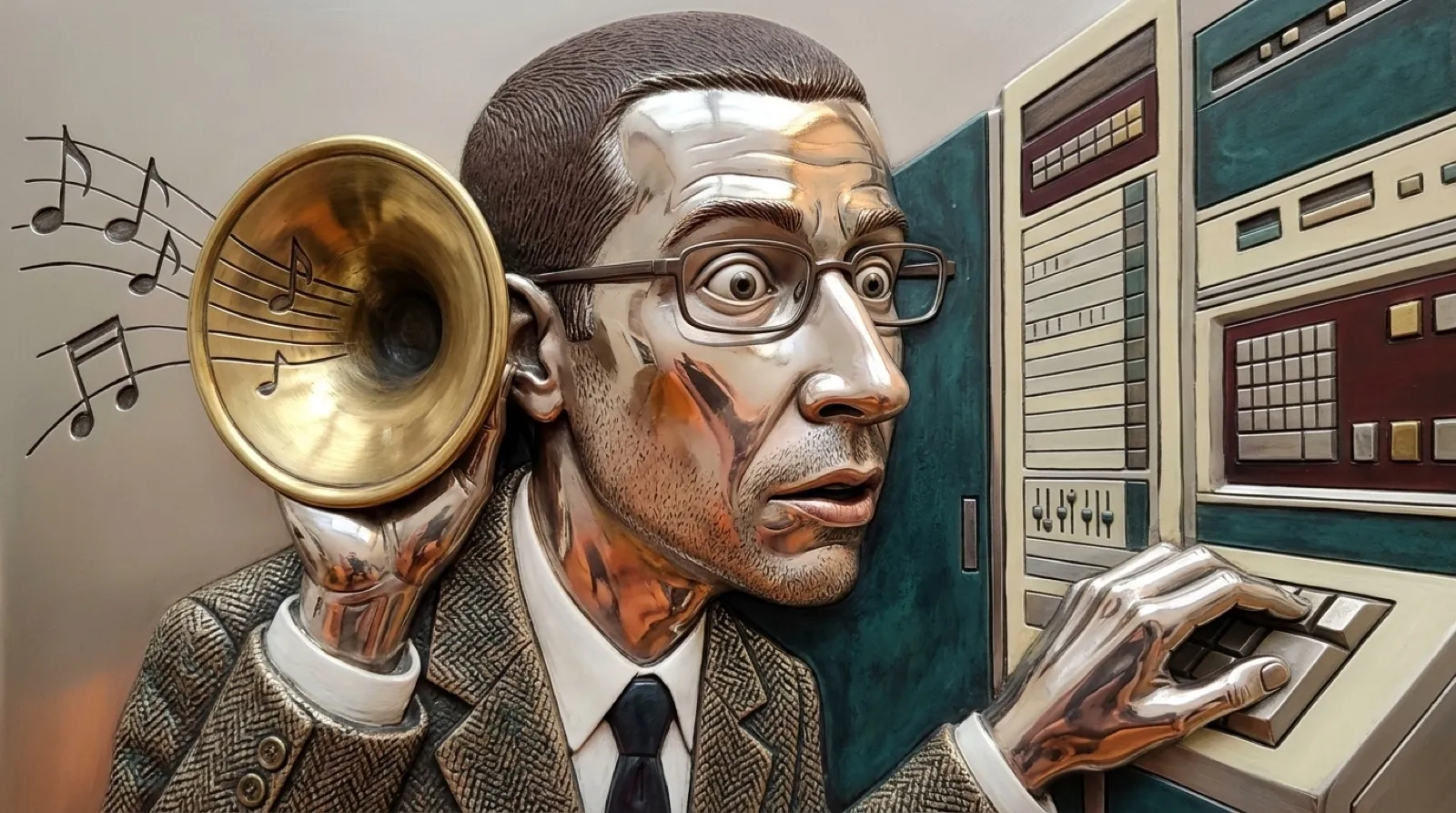
The computer’s warning sound got a second job as a musical instrument. In 1951, the BBC recorded a Manchester Ferranti Mark 1 playing tunes, including a curtailed “Baa Baa Black Sheep.” Even early computers knew how to interrupt a performance.
The University of Manchester’s historical account explains the trick through the recollections of people connected with the machine. Its instruction set included a sound-producing operation used as a signal. Repeated with appropriate timing, that operational noise could make music. A machine saying it had finished work could apparently be persuaded to keep singing.
The university names Christopher Strachey in the story of programming the musical behavior. Its quoted engineer, Chris Burton, calls the sound instruction “Hoot.” That makes this a particularly literal case of giving a computer a hoot about music. The hardware had supplied an instruction with a name that now sounds suspiciously appropriate for somebody giving a concert with a warning sound.
This historical record should be handled with the same care as the recording. The university describes a surviving 1951 performance and says the conservation community knew of no earlier recordings. That is a statement about known surviving evidence. It doesn’t establish that no computer had ever produced a tune before anyone put a microphone near this one.
The difference matters because several events can hide inside a single claim of first. Writing a music program, running it successfully, recording it and preserving the recording are different achievements. A story that collapses them all into one date makes a cleaner headline and a messier archive. The interrupted nursery rhyme is charming enough without handing the machine titles the evidence doesn’t settle.
The earlier Computer Conservation Society account, written by Chris Burton in 1995, describes Frank Cooper donating a 78 rpm acetate made during the BBC visit. Cooper had persuaded the crew to make a separate copy on what the account calls “a scrap disc.” The small favor gave the performance another route into the archive.
For anyone who has repurposed a signal meant for something more boring, the attraction is immediate. The available output was modest, but its behavior could be controlled. Once timing becomes programmable, a warning device acquires possibilities that never appeared on its job description. Music is a wonderfully public way to show that those possibilities exist.
Burton took the disc and Cooper’s recorded recollections to the National Sound Archive, which copied the material into archival forms. Its staff could not locate the original Children’s Hour version and believed it had been scrapped. The performance could survive through the private copy even when the broadcast recording could no longer be found.
The surviving performance leaves a more human question than a perfect milestone list would: what else did people try when the machine was working and somebody had a spare idea? Those experiments are harder to recover than a formal specification.
The warning had excellent timing.