
Enough Phone pairs a 5.3-inch Android with a battery you can replace
The crowdfunded handset targets May 2027 delivery, while its own roadmap still puts working samples ahead of the company.
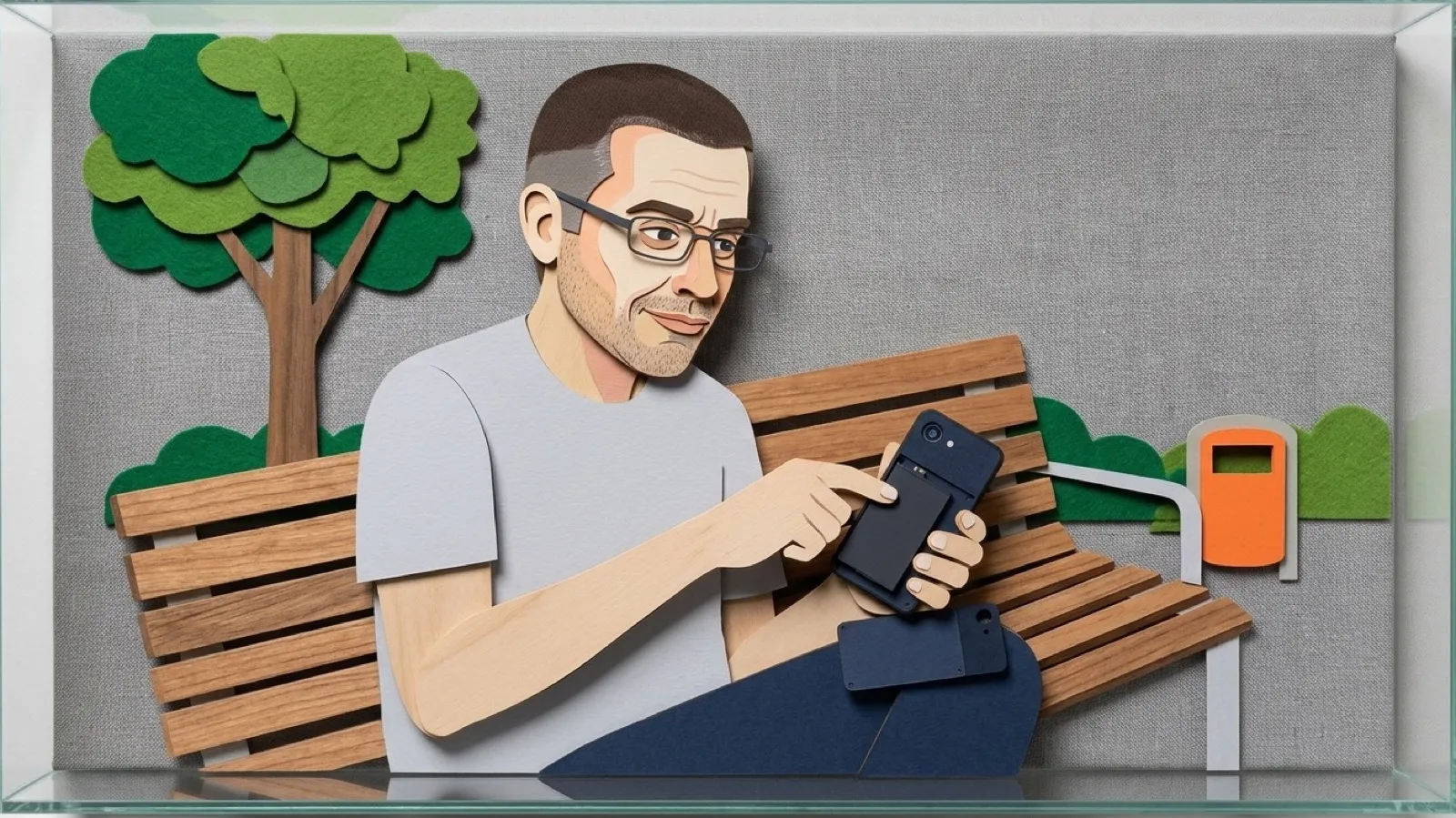
A phone that fits in a pocket and lets you replace the battery shouldn’t sound exotic. Enough Phone has made those two requests the centerpiece of a crowdfunding campaign. Small wonder.
The company’s target specification puts a 5.3-inch screen in a roughly 133-by-64-millimeter body. Battery access uses a screwed backplate. That combination could matter to someone who wants both a smaller handset and a way to keep it going when its battery wears out.
The launch post describes a planned $599 starting retail price and discounted backer tiers. It also explicitly lists unresolved battery and durability work. The team calls the specs “mostly final.” That qualifier should stay attached even if the product renders look beautifully finished (renders tend to cooperate).
Its roadmap targets working samples in December and shipping in May 2027. The distinction changes the purchase question. A person backing the campaign is supporting the development of this phone. Someone needing a replacement handset this month needs an available product and confirmed compatibility with their carrier.
The table below compares shape and display, using each maker’s own pages. Enough has no earlier handset to serve as a direct predecessor; the older iPhone mini is a size reference. Apple’s iPhone 13 mini, the currently offered Unihertz Jelly Max and Fairphone Gen. 6 answer different parts of the request.
| Phone | Display | Body or design distinction |
|---|---|---|
| Enough Phone, target | 5.3-inch LCD | About 133 × 64 × 12 mm; replaceable battery |
| iPhone 13 mini, older size reference | 5.4-inch OLED | 131.5 × 64.2 × 7.65 mm |
| Unihertz Jelly Max, current compact alternative | 5-inch, as marketed | Compact 5G phone already offered for sale |
| Fairphone Gen. 6, current repair-focused alternative | 6.31-inch AMOLED | Modular design; substantially larger display |
The smaller display alone doesn’t establish comfort. Thickness, the grip and the size of touch targets can change how a small phone feels. A cardboard outline could help judge footprint; it would say nothing useful about keyboard accuracy, camera results or how long the battery lasts. Those require finished hardware in somebody’s hands.
Software longevity deserves the same care. Enough promises support through 2032 and offers stock Android or SLEKE’s minimal OdysseyOS. A support commitment can help define what the company intends to deliver, but the choice still needs app compatibility checks for the services a buyer actually uses. A deliberately quiet phone becomes considerably less soothing if an essential app refuses to cooperate.
A smaller handset with replaceable power could fill a real combination of preferences. Its eventual success would depend on delivering that combination well, keeping batteries obtainable and maintaining the software. The size debate can wait long enough for the first working samples to arrive.
Pocket-sized, pending production.