
TextoCAD makes editable parts whose dimensions change without another model call
The local source-available app generates construction scripts, with paid endpoint usage and commercial licensing still part of the deal.
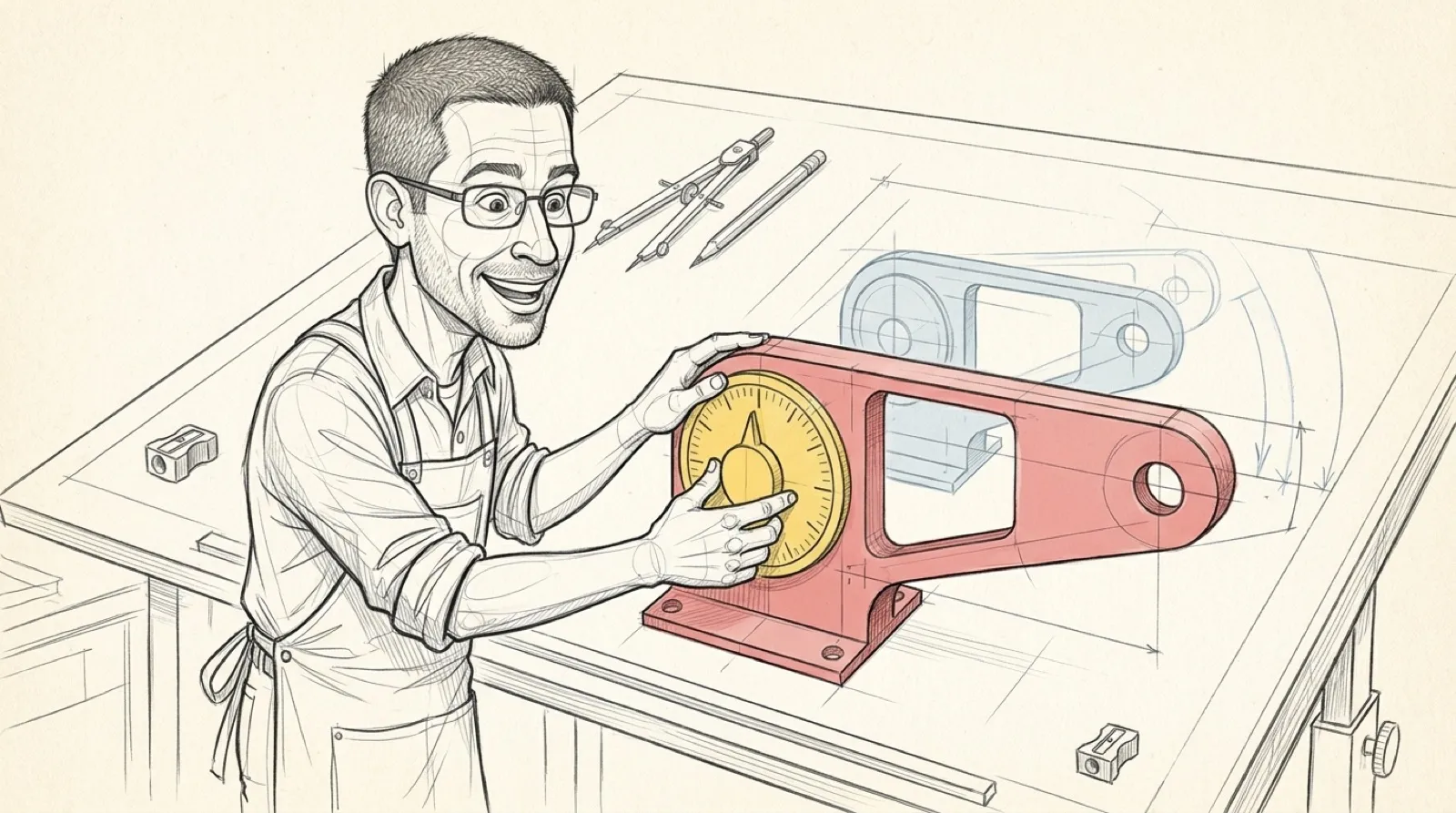
The enclosure’s wall is too thin. In TextoCAD, that can be a dimension change after the generated model exists, rather than another request hoping a model remembers which box you meant. A slider gets the last word on the new dimension, although the calipers still get a vote when the resulting part has to fit a real object.
The project’s README describes generated CadQuery or OpenSCAD scripts with named parameters. Those parameters drive a build that produces geometry and export files. The useful handoff is a construction recipe with editable measurements, so the first generation doesn’t have to be the final word on every millimeter.
Its documented rebuild command changes dimensions from a saved result without making an AI call. The local browser interface exposes dimension sliders for the same purpose. That is an appealing division of labor: language helps start the part, and ordinary parameters handle a later numeric adjustment. Nobody needs a lengthy conversation about making a hole slightly wider if the hole already has a number.
The distinction between geometry and a convincing picture matters here. A part that looks plausible in a viewer can still have the wrong opening, wall or clearance. Named measurements give a person something specific to inspect and revise. They don’t establish that the initial script captured every requirement, or that the material you plan to print will behave the way the shape suggests.
The tool offers an optional verification-and-repair path that checks measurable requirements against generated geometry. That makes the question narrower and more useful than whether a rendering looks right. If the requirement is a dimension, a geometry check can address that dimension. Whether an assembly fits the thing on your desk still needs the measurements and tolerances that describe that thing.
Exports include STEP for CAD tools and STL or 3MF for slicers. That lets the generated part move into the tools where a reader would normally inspect and prepare it. A downloadable file is a practical escape hatch from the chat; the next program can have its say before any plastic gets involved.
Local also needs its conditions attached. The README says initial generation requires a provider API, while a dimension rebuild can work without it. The application runs on your computer, but generation still sends a request to the endpoint you choose. The model bill and the decision about what information to send remain yours (conveniently absent from the word local).
The license is just as specific. TextoCAD uses PolyForm Noncommercial terms for the source, and its documentation says commercial use, including use inside a for-profit company, needs a license. A hobby enclosure and an enclosure for the office can therefore look identical while coming with different permission questions. The model can remain geometrically identical whether it is a personal experiment or a workplace tool, while the intended use changes the licensing question.
For a first evaluation, a simple part with known dimensions would expose the practical value of the script approach. Generate, inspect, change one parameter and compare the rebuilt file. Whether that change preserves the other features you care about is the result to establish before entrusting it with a complicated assembly.
Some assembly still required.