
ARPANET's 1978 sales pitch ran out of address space and invaded its own message
A preserved DEC mailing and its angry replies show how early commercial email collided with a research network.
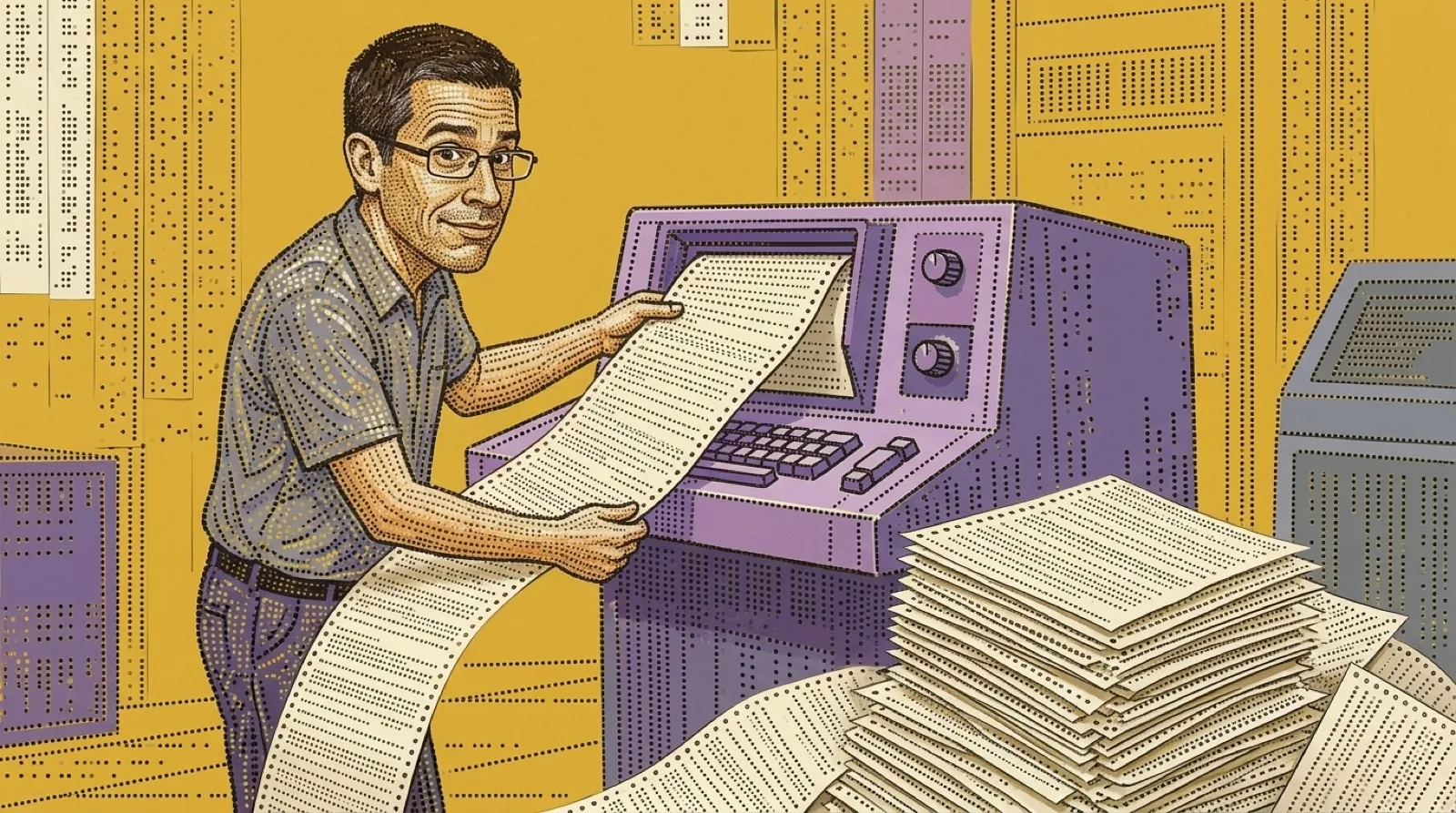
A computer salesman tried to reach the West Coast of ARPANET and wound up advertising the limitations of his email software. Talk about a mailing list with issues.
Brad Templeton’s archive preserves the message and recipients’ reactions, alongside his account of speaking with sender Gary Thuerk. DEC wanted people to see its DEC-20 computers. The route to those prospective customers was a printed network directory and a lot of typing.
The archived explanation says SNDMSG accepted 320 addresses; additional names spilled into the body. Einar Stefferud, one of the intended recipients, described the typing as proceeding through the subject, address fields and finally the message itself. He also said he hadn’t received it. Appearing in the message gave a person no assurance of receiving the mail, even though someone had gone to the trouble of typing their address.
The send occurred May 3, 1978. Templeton says the senders didn’t know the software had an address-file function for mailing lists. That missing bit of product knowledge matters: a deliberate bulk promotion and a bungled delivery can coexist. Solving one wouldn’t have made the other welcome.
The preserved recipient complaints make that boundary visible. A research network had become a convenient way for a vendor to reach people who hadn’t asked for a sales pitch. A technologically relevant product didn’t magically create permission to promote it. The salesperson’s judgment of relevance and the recipient’s willingness to receive a message were already two different things.
There’s an easy modern reading of this as an amusing primitive interface. That lets the rest of us off rather cheaply. A contact picker can hide the same decision under a much prettier button. Typing every name manually at least made someone sit with the size of the audience; an imported list can make hundreds of strangers look like one task.
The overflow also exposes a failure that a successful-delivery counter could conceal. An application can accept input, produce an artifact and still fail to send what the operator thought it sent. Looking at the actual output matters, especially when the output lands in somebody else’s inbox. A confirmation dialog deserves some healthy suspicion when it has never seen the resulting message.
Modern software could have rejected that overlong address list before sending. It could have shown a preview with the misplaced names. Neither would settle whether the promotion belonged on ARPANET. That second check requires a rule about the audience, and somebody willing to enforce it when the marketing department has a really exciting computer to sell.
The historical record leaves room for disagreement about which earlier mailing deserves which label. The spectacularly visible address spill needs no trophy to be embarrassing.
The unsubscribe button was still missing.