
AI Slop FM hides the musicians and lets listeners grade the songs
Mike Chaffin’s Welsh radio experiment is still in beta, with a proposed weekly chart and an unusually revealing submission queue.
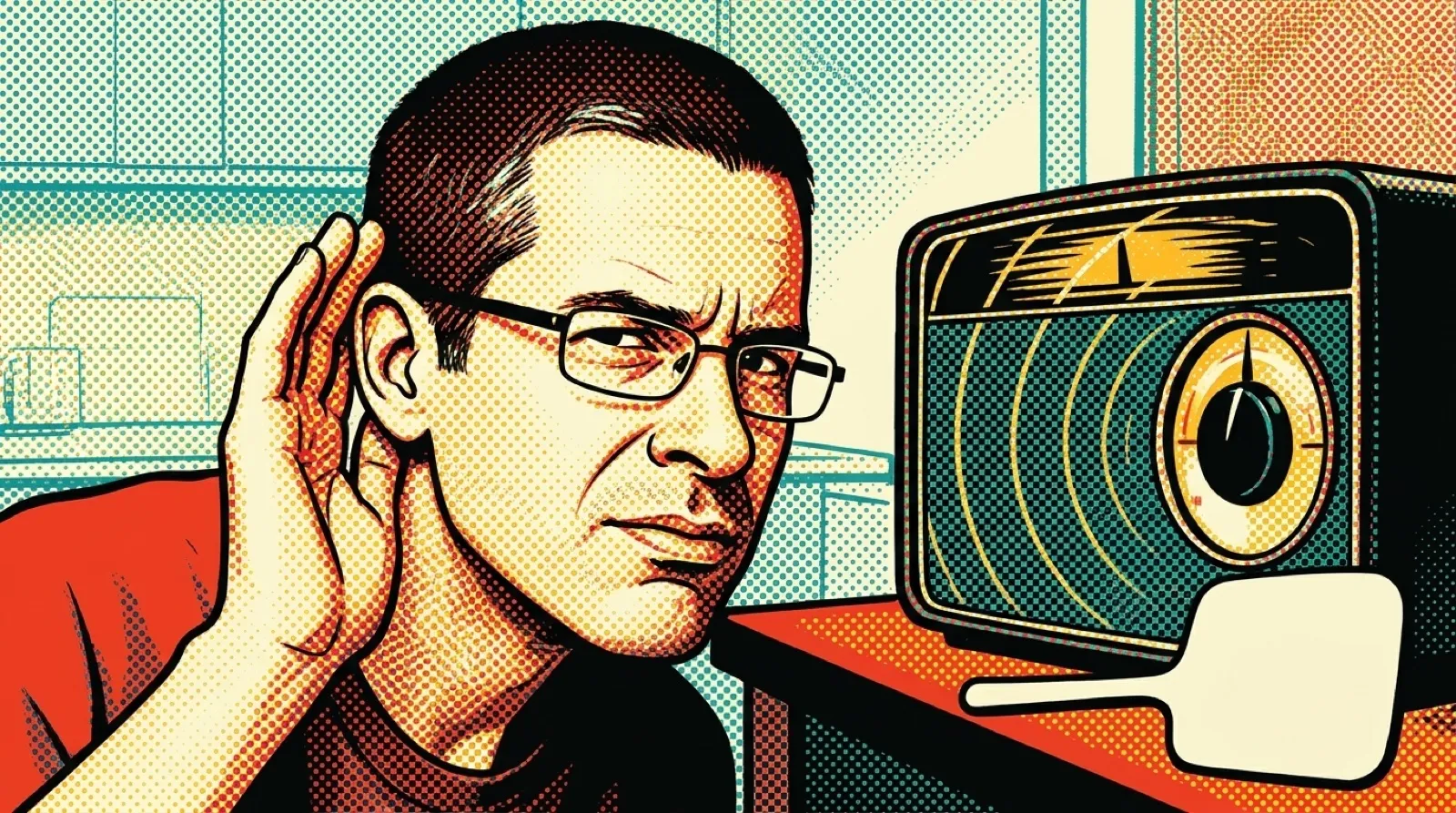
An internet radio station wants your music judgment before it lets the artist’s identity do the judging. Its name, AI Slop FM, has already volunteered a fairly spicy introduction.
Mike Chaffin built the project in Wales. In The Register’s interview, he describes hiding artist names, artwork and AI labels while mixing machine-generated and human-made submissions. The point is to hear what people enjoy when those signals disappear.
The station’s interface offers S-through-E grades, optional reactions and written feedback. Your verdict is anonymous. It even offers a button for a song so bad it’s good, which acknowledges an important loophole in any attempt to measure musical taste. An awful chorus can still find a home in your head. Rent-free, naturally.
Chaffin told the interviewer, “We strip all that away” when describing the identifying information. The report says the station remains in beta and is gathering submissions; a planned weekly Slop 40 would give popular tracks another audience. A proposed chart isn’t a result, and a clever interface doesn’t yet tell us whether people preferred either kind of music.
The distinction matters because this kind of experiment can answer a smaller, more useful question than the one everybody wants to argue about. Someone enjoying a song without knowing its origin tells us something about that listening experience. It doesn’t tell us what that person would pay for, whose performance they’d attend, or how they’d feel about the training material. Those questions remain available after the chorus.
An unsigned musician competing here would also be choosing a particular sort of exposure. Stripping away a name may remove prejudice; it also removes the connection a musician has spent time building with listeners. A blind tasting can reveal something about the drink without explaining why anyone visits the coffee shop.
The submission process adds another wrinkle. The selection entering a voluntary station could reflect the people most excited to participate. Even a strong preference inside that catalog would need some care before anybody presented it as a verdict on all music. Radio audiences have tastes, and the person who chooses the records still helps determine what gets heard.
For a listener, the useful payload is pleasantly small. There is a place to try the exercise, give a grade and notice whether a label would have changed it. That can be interesting without turning a thumbs-up into a manifesto. Chaffin’s eventual chart could provide an entertaining set of examples; any claim about humans losing music would need considerably more support than a catchy beta playlist.
The jury has headphones.