
Wally Finder searches 450-plus unsecured cameras for a striped shirt
Belgian artist Dries Depoorter runs the vision model locally and checks each proposed match before publishing a blurred clip.
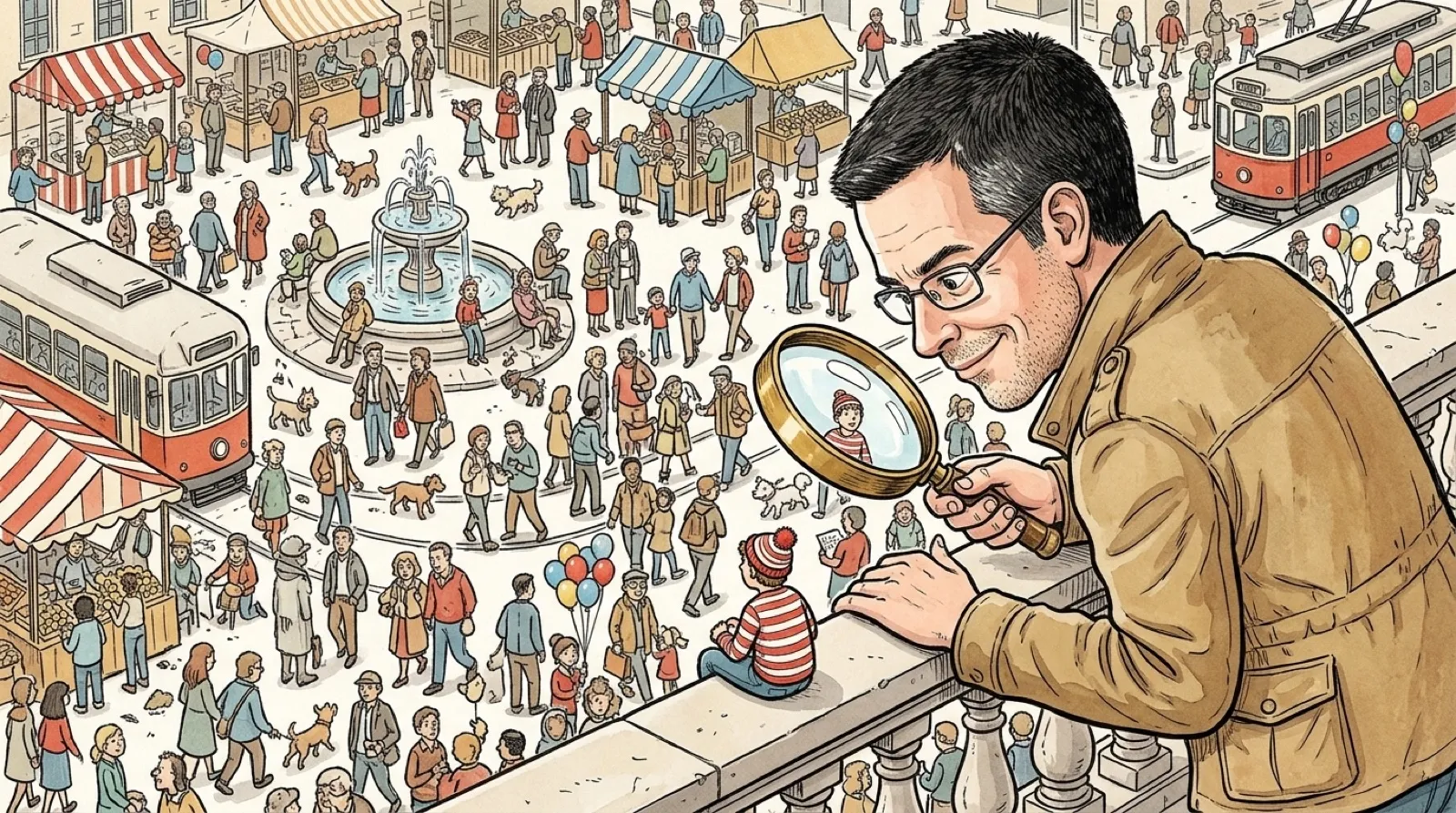
A striped shirt is enough to become the subject of an automated worldwide search. Somewhere, the Where’s Waldo books just acquired an unsettling IT department.
Wally Finder is artist Dries Depoorter’s own account and running display of the project. He says software samples more than 450 unsecured cameras, asks a vision model whether a frame contains the familiar striped outfit, and saves surrounding footage when it finds a candidate.
The model is Qwen3-VL running locally through Ollama. Depoorter describes it as a general vision-language model receiving an image and a question. That makes the setup more uncomfortable than a specially commissioned cartoon-character detector would be. The question can change while the cameras stay exposed.
A human still approves the results. The project explains, “Dries checks every match for false positives” before publication. The surrounding picture is blurred and desaturated, leaving the shirt visible. Exact camera locations aren’t published. Those choices reduce what a site visitor sees; the software must first receive enough of the original frame to decide what it contains.
The project’s displayed confidence percentage deserves care, too. It is a model’s reported certainty about its answer. A high number beside a clip can’t establish a person’s identity, intent or relationship to a book character. Someone can put on a striped shirt without consenting to join a technology demonstration (wardrobe malfunction, updated).
There is a practical difference between a camera being publicly reachable and a person intending to appear in somebody else’s searchable artwork. The lens operator and the pedestrian may be different people. A pedestrian can’t change an administrator password on every camera along a sidewalk. Putting the burden on the subject would require a remarkably large hat.
For anyone responsible for cameras, the mechanism makes a useful inspection target. Can a stranger obtain an image without authenticating? Could the same access expose people inside a workplace? A camera that passes a local preview test may still deserve an outside-access check. The useful question concerns what an untrusted viewer can receive, regardless of what the device’s security branding promises.
The artwork also makes a familiar AI discussion quite literal. Running inference locally changes where the images are processed. It doesn’t change whether those images should have been accessible in the first place. Privacy controls have to cover the collection as well as the final clip.
If general visual models become easier to run, more narrowly phrased searches could become practical against the same exposed feeds. That is a conditional consequence of this setup, not evidence that this project tracks any other category. Depoorter’s live search continues, with a human choosing which apparent Waldos enter the gallery.
Waldo could use a password.