
RuView uses Wi-Fi reflections to sense a room, but its 82.3% figure needs its label
The open-source project retracts an older presence claim and separates working radio inputs from simulated demos.
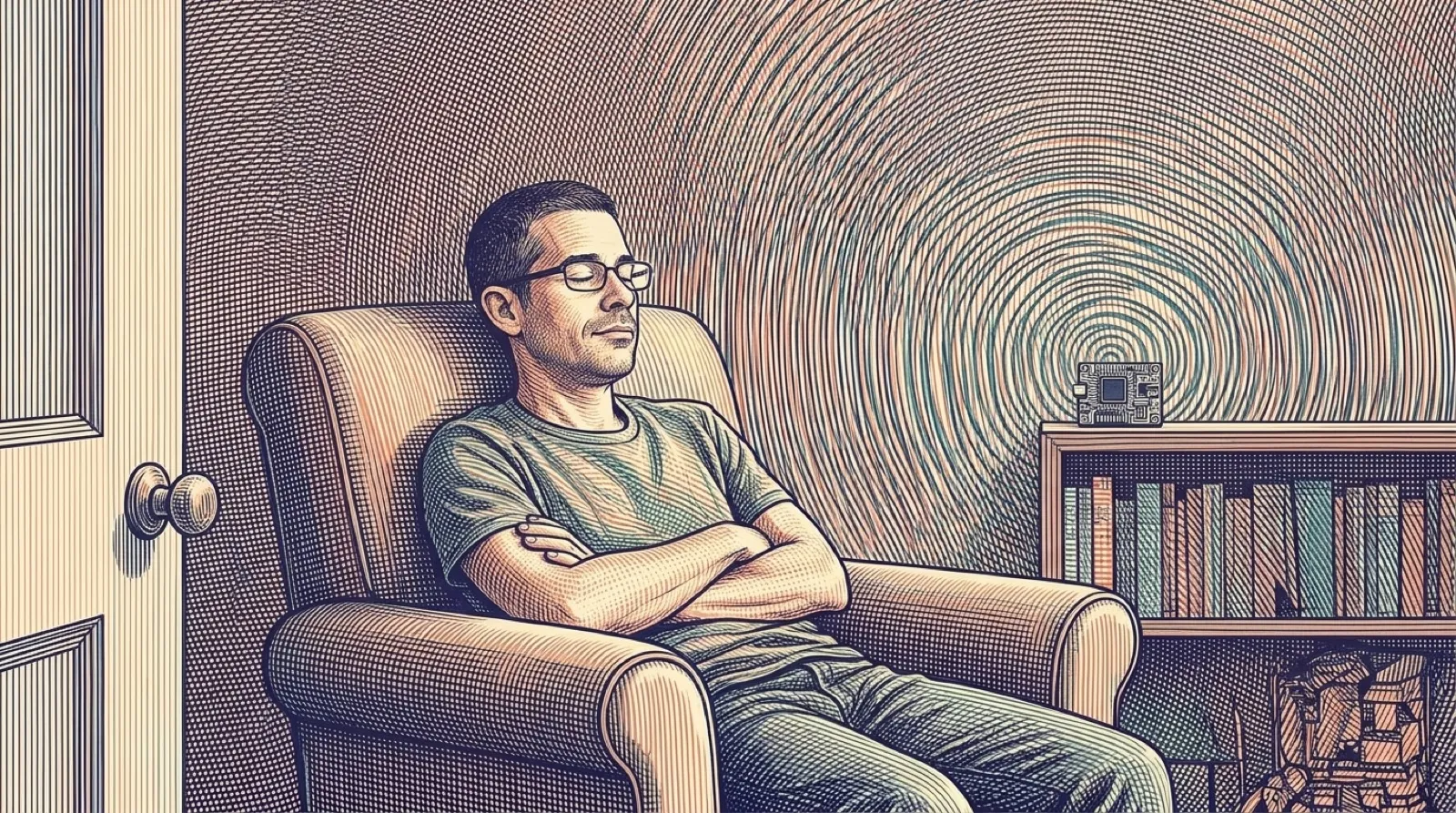
Your Wi-Fi already has an opinion about the furniture. RuView wants to turn changes in those radio paths into information about the people moving among it.
The open-source project collects Channel State Information, or CSI, using compatible hardware such as ESP32 boards. Movement changes the received signal. The software tries to extract patterns associated with occupancy, breathing and activity. A router becomes part of a sensing arrangement without gaining a lens, which is an interesting twist for a device already watching you buffer.
The inexpensive board is only one part of the arrangement. The README describes an ESP32-S3 node starting around $9, with separate options for a mesh or a larger system. CSI-capable hardware matters. A normal laptop’s Wi-Fi signal-strength reading supplies a much coarser input, and the project distinguishes that RSSI-only path from the advanced CSI capabilities.
There is also a demo distinction. The Docker quick start uses simulated data when no hardware is attached. That can demonstrate the software pipeline, but a moving display in that mode cannot establish that the room around your laptop has been sensed. The screen is allowed to know where its pretend people are.
The headline accuracy figure needs an even bigger label. The README labels its newer encoder’s 82.3% result “temporal-triplet accuracy.” That is a particular model evaluation task. It is not a measurement saying the system correctly detects real people in rooms 82.3% of the time. The source explicitly retracts an older perfect-presence result measured on a single-class recording.
The project also lists an 8 KB quantized model. Small enough to sound almost quaint, until the application becomes determining whether a person is asleep or in distress. Model size and a benchmark score cannot establish that an unattended alert is dependable. Neither tells a family how often a still person disappears from the system’s view.
The README’s automation section describes Home Assistant integration through MQTT and Matter-bridge support. It exposes raw signals alongside inferred states, including sleep, inactivity and possible distress. Keeping those categories distinct is a useful design detail: an inference about someone’s condition should remain distinguishable from the radio measurement that prompted it.
For a home experiment, an occupancy dashboard can be compared with what is actually happening in a room. A caregiver relying on a fall or breathing alarm faces a much higher bar. The repository’s listed physiological signal ranges do not establish clinical accuracy, and this story supplies no medical reliability claim. A missing alert would matter far more than an impressive animation.
Camera-free sensing could still have a useful place in home automation. It offers a different privacy trade: fewer pictures, potentially more knowledge about movement and routines. The practical next step is a documented live trial with the actual boards and room, including false alarms and missed detections. Several of RuView’s own capability notes leave real-data validation unfinished.
Even the empty room needs testing.