
Retro Song Bird turns Game Boy cartridges into a music player with four separate USB audio channels
A solo maker is preparing a cartridge reader that also backs up saves and turns the Game Boy Camera into an exceptionally low-resolution webcam.
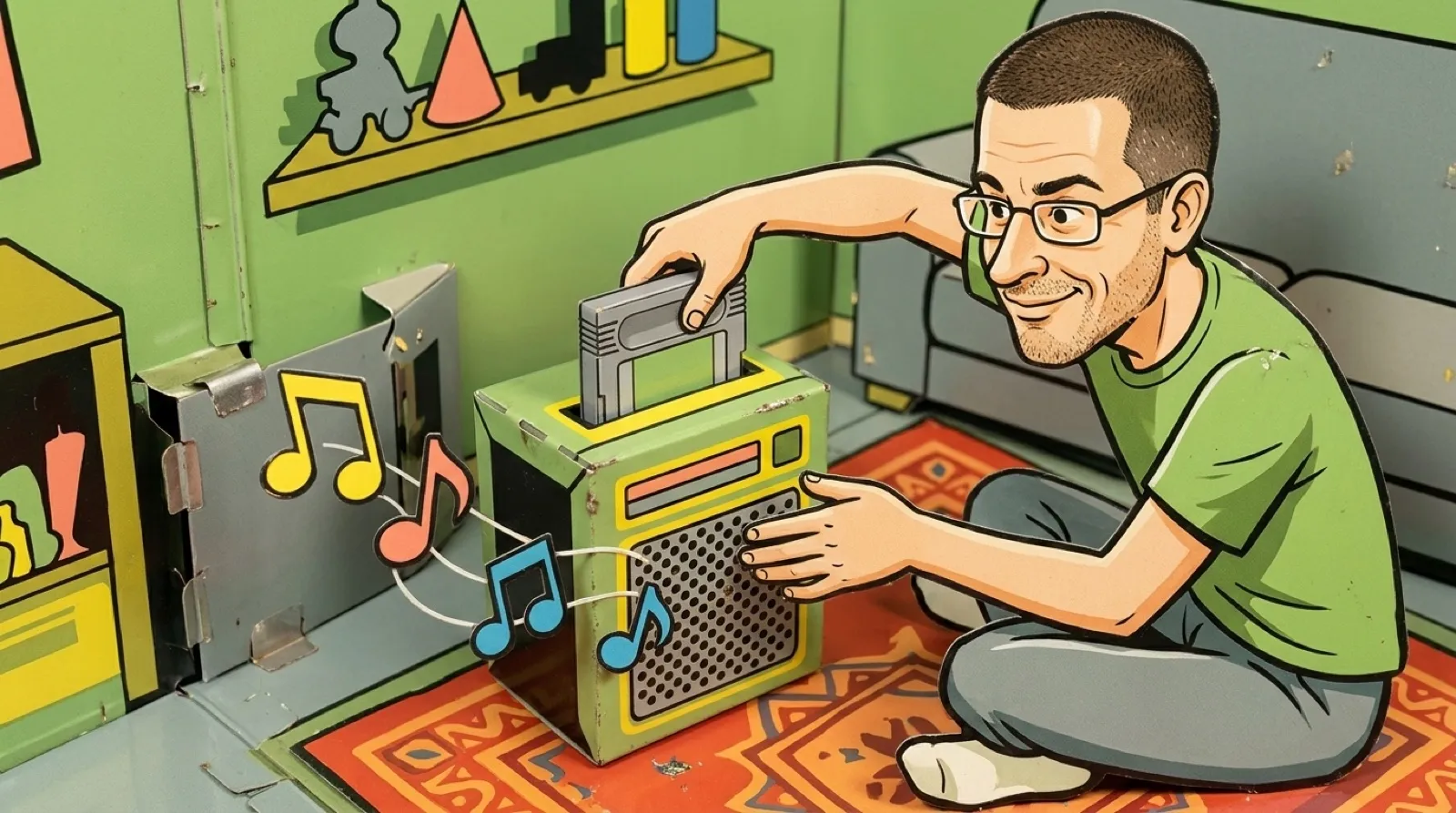
A Game Boy cartridge can spend the afternoon playing its soundtrack instead of waiting for somebody to beat the level. Retro Song Bird takes the cart in a slot on top, reads the relevant parts of its ROM, and feeds them to an emulated sound engine. The game collection gets a second job without anybody having to keep a pair of thumbs on the controls.
The maker’s page is the source for the advertised features here, rather than an independent test of shipped hardware. It describes a map of more than 1,900 cartridges that tells the reader where to find the music. That detail matters: a slot that physically accepts a cart and software that understands its soundtrack are two different promises. The compatibility question is whether the map includes the cartridge sitting in your particular collection.
This is register-level sound emulation, according to the project, rather than a recording bundled into the device. The ROM supplies the material; the recreated audio machinery produces the sound. The site says no game ROMs ship with it. Your cartridge gets to bring its own baggage (finally, useful baggage).
The four-channel USB output gives the idea a purpose beyond background nostalgia. The two square-wave channels, wave channel and noise channel can reach a music workstation separately. A producer could lower the percussion without lowering the melody, rather than trying to unmix a stereo file. Stereo line output and WAV export are listed too, for listening without turning the desk into a recording session.
There are cartridge housekeeping features alongside the music: backing up and restoring saves, copying ROMs and writing compatible flash cartridges. Those are different operations with very different consequences. A save backup is the one to make before experimenting with restore or flash controls. A music box needn’t become an accidental game-over machine.
Then the Game Boy Camera gets involved. The site advertises USB webcam use at 128 by 112 pixels, with four shades and roughly five frames a second. Its own description calls that a bonus feature, presumably for the meeting that needs less detail than an animated postage stamp.
The maker writes that the project was built to add “joy and whimsy.” That’s a reasonable brief for a device with an alarm you can stop by pulling its cartridge out. The page points toward a November 15 Kickstarter, so these specifications should be treated as the maker’s intended package, rather than a reason to assume immediate retail availability.
If cartridge readers keep becoming audio interfaces, an old game library could become a source of instruments as well as software. The practical question is how completely that per-game map covers the odd cartridges people actually own. Support for a favorite obscure soundtrack will matter more than the size of the big number on the box.
The noise channel finally gets a solo.