
ScrivenSpell makes long words hurt monsters more, then replaces each monster with a tougher one
Memalign built a browser diversion after an older spelling favorite stopped fitting newer screens, adding a campaign-shaped reason to keep playing.
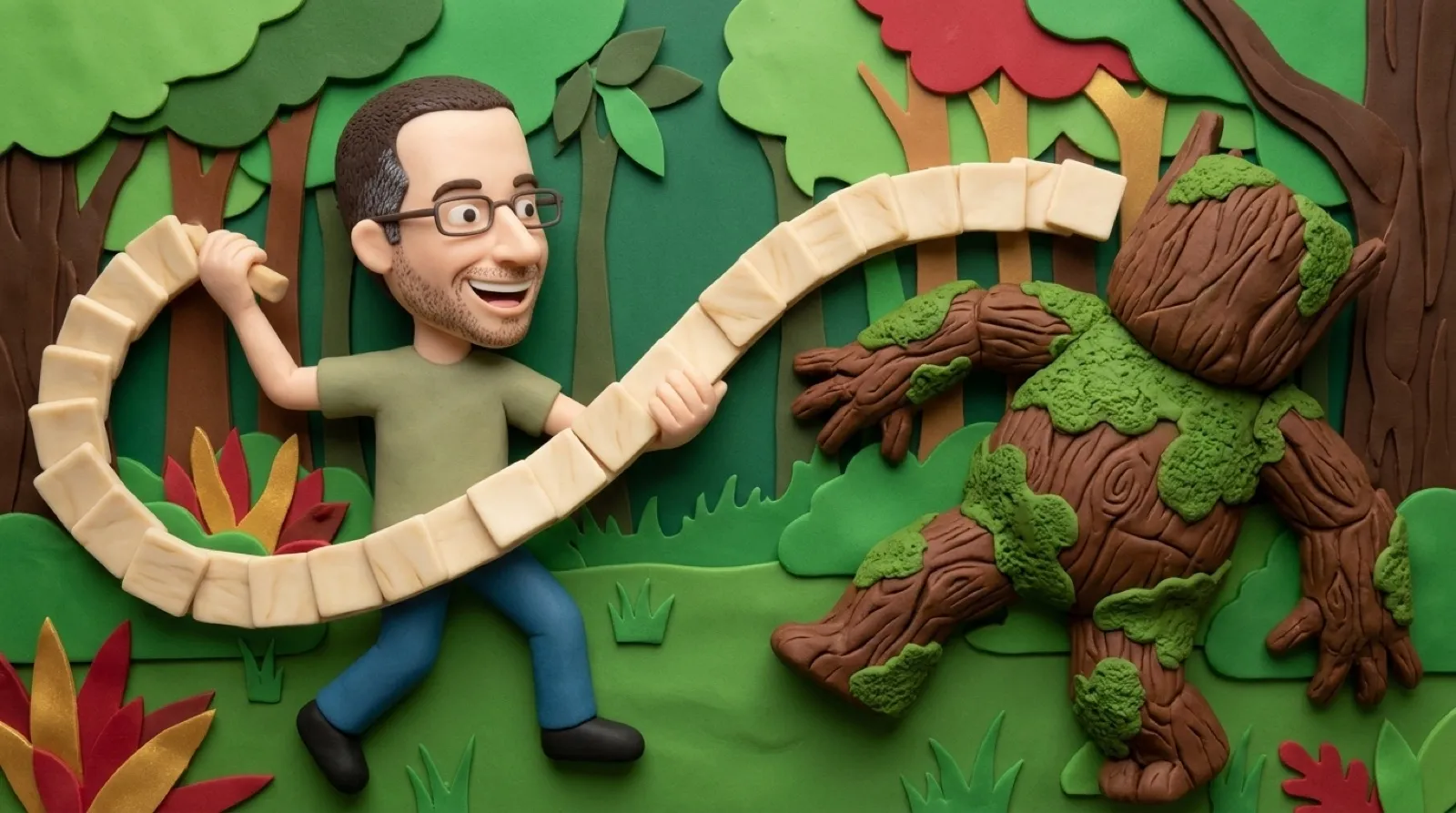
A spelling game has found a very literal way to make words hurt. In ScrivenSpell, the words you assemble become damage against forest monsters. Beat one and a stronger replacement arrives. The dictionary can supply a boss-fight weapon, provided you find the letters before the timer runs out.
Creator Memalign describes the project in a November 7 post as a response to Up Spell. That older favorite no longer fit recent screen shapes, and the author wanted more staying power. The added monsters give a round a destination beyond improving a number that will demand improving again tomorrow.
The author’s phrase is “a goal and something to complete.” That sounds modest, but a word game needs a reason to start another round. A score offers an endless ladder. A creature with a health bar offers an immediate problem, even when the solution is finding a better arrangement of vowels.
The published JavaScript rules show how the pressure increases. Enemy health starts at 100 and doubles with each enemy index. The roster begins with a bee and moves through a spider, rat, monkey and dragon before cycling through stronger versions. The cute little emoji soon demands more damage than a short word can deliver on its own.
Word length earns an explicit bonus: five letters add five points, six add twelve, and seven add twenty-one. Individual letters have values as well, with Q and Z worth nine apiece. Multiplier tiles then scale the combined result. A long word with a valuable letter can therefore do more than its character count suggests; the forest rewards vocabulary with compound interest.
The rules define a two-minute standard round and a five-minute kid mode. Those are the code’s configured times, rather than a claim that every possible game mode runs on the same clock. For somebody playing between tasks, the standard limit gives the experiment a contained shape. The next monster gives a player a reason to come back after the timer ends a round.
The game itself runs in a browser. Its page loads the rules, game logic and storage code as ordinary JavaScript, which also makes the scoring unusually easy to inspect. There’s no need to infer why a seven-letter answer scored better from a celebratory animation; the arithmetic is sitting in the open.
Quote Quest adds a different constraint by asking for a quotation word by word. That gives the player something to finish while the RPG structure supplies things to defeat. Whether the combination keeps its appeal after the first burst is still a question for actual play, especially when monster health keeps doubling.
Small browser games can compete through a sharply chosen reason to return instead of a mountain of content. ScrivenSpell’s useful design example is that the reason can emerge from the existing action: the same word that scores points also moves a fight along. The extra progress has a visible cause. A player can pursue the next enemy through the same action that fills the score counter.
The dragon accepts dictionary attacks.