
A Virtua Fighter 2 viewer opens Sega Saturn disc data so the fighters can hold still
Xevengar’s small preservation tool reads the original game files, giving old character art a purpose beyond surviving the next round.
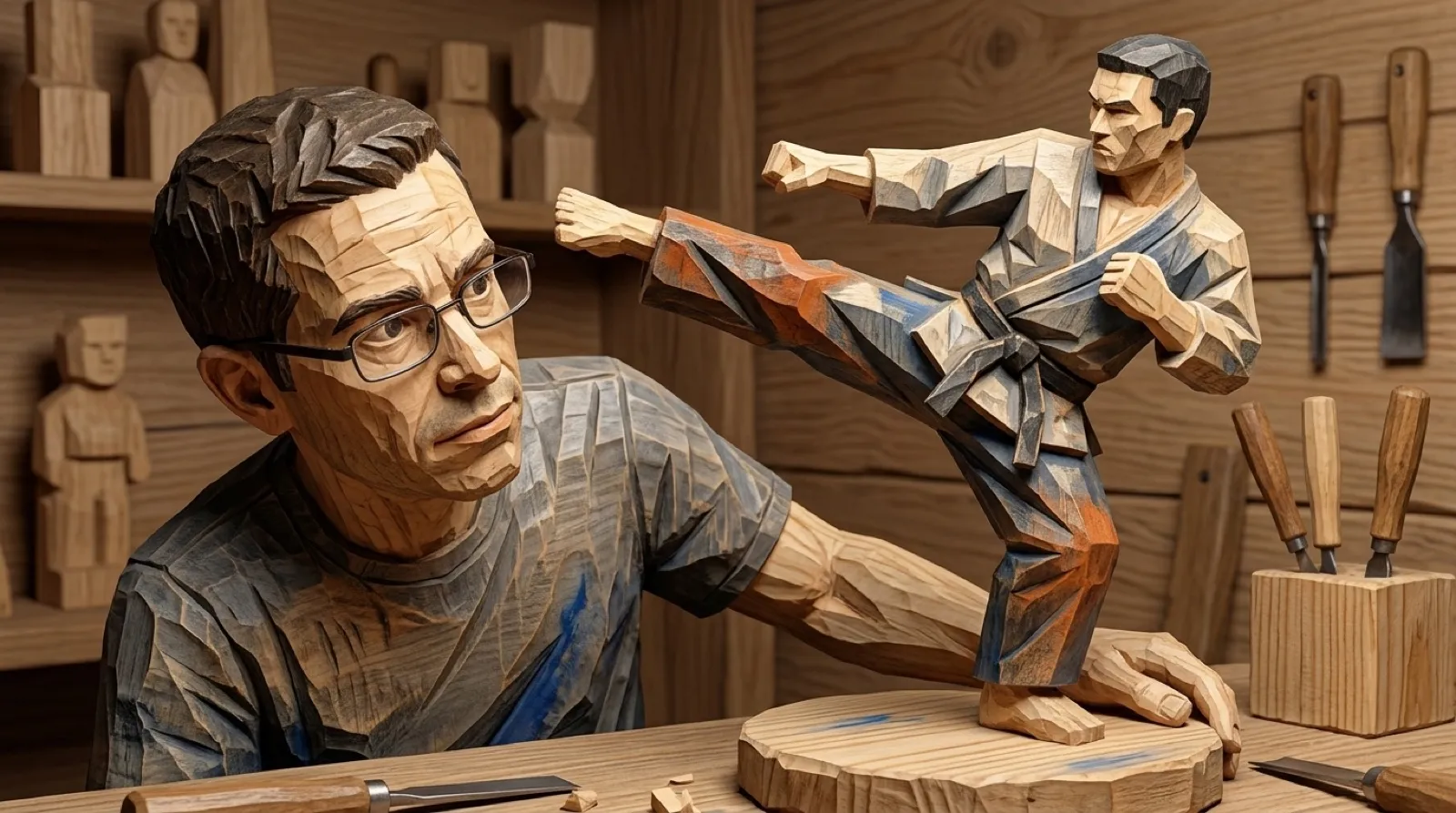
Virtua Fighter 2’s characters have spent decades trying to knock one another down. Xevengar’s model viewer gives the Sega Saturn game’s art a quieter job: sitting still long enough to be examined. With the fighters taken out of a match, inspecting their geometry no longer requires watching an uppercut at the same time.
The maker’s release page gives a specific input instruction. Load the game’s Track 01 BIN file, including the USA revision named in the example, or load from a CD and select the files there. Other versions’ first tracks are mentioned too. The viewer expects the game’s own data rather than a separately downloaded collection of replacement models.
That path is the useful detail for anyone dusting off a disc image. A multi-track dump can contain several files, and “open the game” leaves plenty of room to choose the wrong one. The maker points directly at track one. It would be an especially dull defeat to lose this fight to a file picker.
The short release note labels the current version “Fixed fingers of the models.” Even before looking at an animation, that tells you how specific this work gets. Hands are small geometry with conspicuous mistakes; a viewer makes the little faults that motion hides easier to notice. The note is a correction to this tool’s models, rather than proof of a flaw in the original Sega release.
The creator-hosted release page is brief, with its instructions concentrated on opening the game files. That makes the first task unusually clear: get the viewer reading a known disc dump before planning a larger asset-study project. For somebody with several old revisions saved away, the named USA revision provides a concrete starting point for the experiment.
There’s a useful distinction between keeping a game playable and keeping its construction legible. An emulator can preserve the experience of a match; a model viewer can help somebody study how a character was assembled. Those uses overlap, but the person comparing two versions of a hand wants control over what stays on screen.
An artist learning from older games can study what the model manages with the polygons available to it. A readable silhouette has to survive the limits it was built for. Being able to inspect the source-era model gives that discussion a concrete object instead of another nostalgic argument about screenshots. Seeing the actual asset can ground that discussion in the version the Saturn was expected to display.
The remaining practical test is your own disc revision. The instructions allow other track-one versions, but the release page doesn’t provide a compatibility matrix. Keeping the original dump intact and trying a separate copy avoids turning a bit of model exploration into an accidental preservation project of its own.
Tools like this could make more game history inspectable without asking anyone to rebuild an entire game engine first. The next useful additions would be clear format documentation and reproducible examples, so an interested fan can follow the route from disc to model. A documented route would also let another toolmaker reproduce a correction such as the fixed fingers in this release.
For once, nobody has to punch.