
Wake traces stolen crypto toward exchanges and turns the trail into a report
The free Windows app keeps case files on your PC, but its public-data lookups and uncertain address labels deserve a closer read.
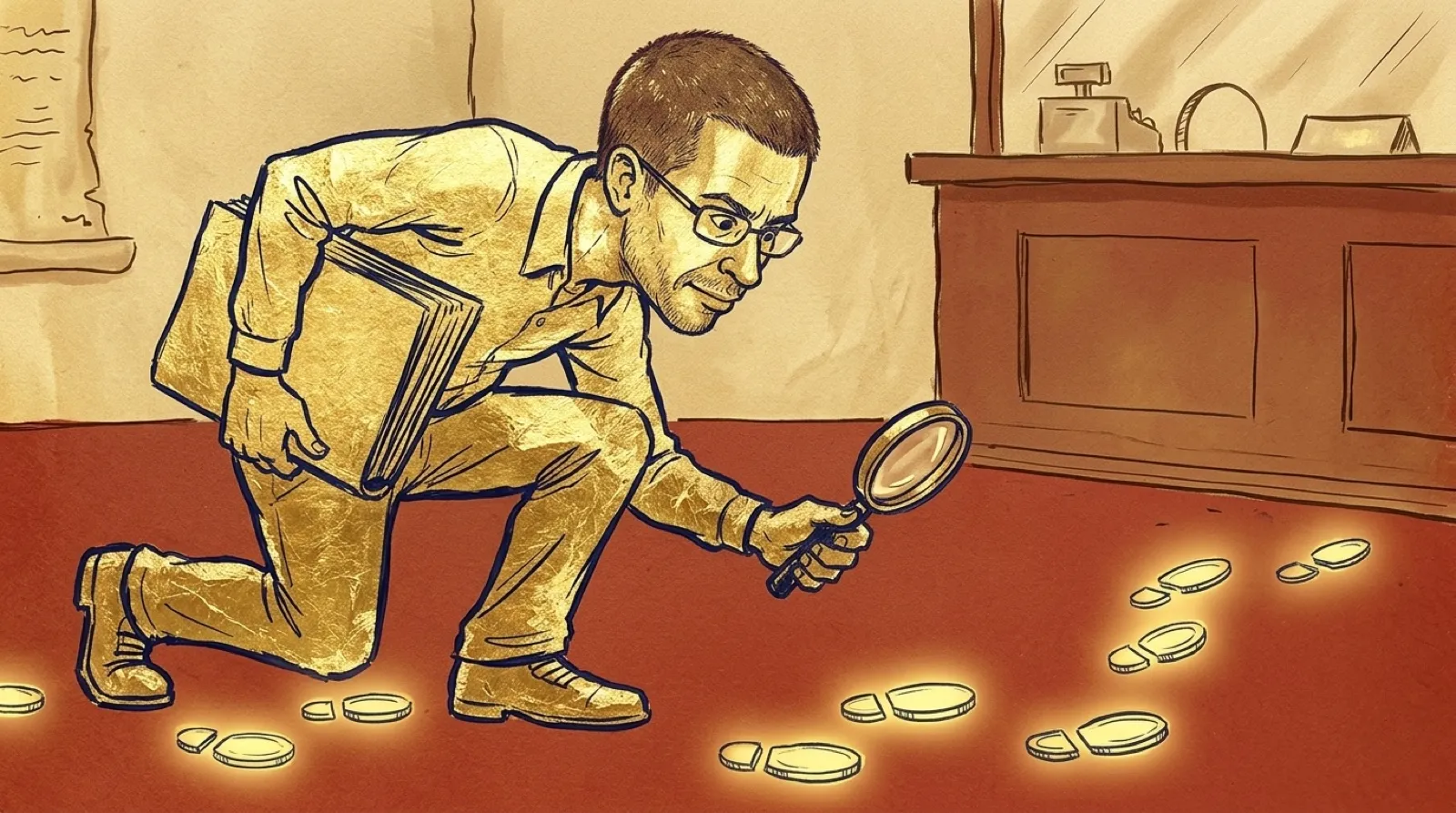
A crypto theft can leave the victim staring at a transaction hash while someone else offers to retrieve the money for a fee. Wake starts with the hash and tries to make the paperwork less miserable. The app gives the victim a way to prepare evidence while the recovery pitches are still trying to make another sale.
The open-source project’s README describes a Windows 10 and 11 app that follows public transfers hop by hop. A user supplies a payment hash or destination address, starts the trace and exports a report. The maker presents it as a focused tool for one victim investigating one theft, with a free download and no account or paid tier.
Its supported routes include Bitcoin, Ethereum and other EVM chains, TRON, BNB Chain and Solana. The maker says it follows supported bridges and swaps onto another chain. The visual ribbons grow wider with the amount they represent, so a large branch of the transfer gets more screen space than a small one. A wide ribbon represents more of the traced amount, making a split into unequal payments visible in the diagram itself.
The stop worth investigating is a labeled exchange deposit address. An exchange may have an account record that investigators can pursue. Wake gathers the path and includes transaction hashes, UTC times, chains, assets and amounts in its report, along with a plain-language summary and a police-reference field. The exported report keeps those transaction details together with the traced route, so the person receiving it can inspect the individual hops.
Labels still need scrutiny. The README says, “Deposit addresses and clustering can be wrong,” and the app displays label sources and confidence. A plausible exchange name on a diagram is a lead. It cannot establish who committed a theft, whether the funds remain there or whether an institution will freeze them.
The screenshot examples also have a limit worth stating: the maker says their addresses, names and exchanges are made up. A polished diagram shows the proposed workflow; it cannot establish the result on a real theft. This account describes the project’s documented behavior, without a hands-on recovery test or an independently verified success rate.
Cases and reports stay on the PC, according to the project. Public lookups still leave it. Bitcoin data comes from mempool.space or a user’s own instance; EVM coverage uses Etherscan V2 or Blockscout, TRON uses TronGrid and Solana uses public RPC. The local case file and the external address queries are separate privacy decisions. Your PC can hold the folder while other services receive the questions.
The project includes a checker for recovery offers and repeatedly warns about paying a fee to retrieve stolen crypto. That boundary is especially relevant beside the software’s ambitious promise to trace like a professional investigator. A free report generator should be assessed on the evidence it produces for the particular case, including the places where it loses confidence.
If tools like Wake make case preparation easier, the next useful improvement would be clear, reviewable evidence at every hop. A bridge, mixer or uncertain cluster should remain visible as a limit in that evidence. A report that shows where confidence runs out gives an investigator somewhere concrete to start checking.
The project’s own answer to whether it can get the money back is “No tool can.” The name may be Wake, but downloading it doesn’t make a frozen balance spring back to life.
The receipt survives the sales pitch.