
Burst Super-Res turns tiny camera shifts into bigger photos without inventing the scenery
The free desktop utility exposes alignment errors and modest measured gains instead of dressing extra pixels as a new camera.
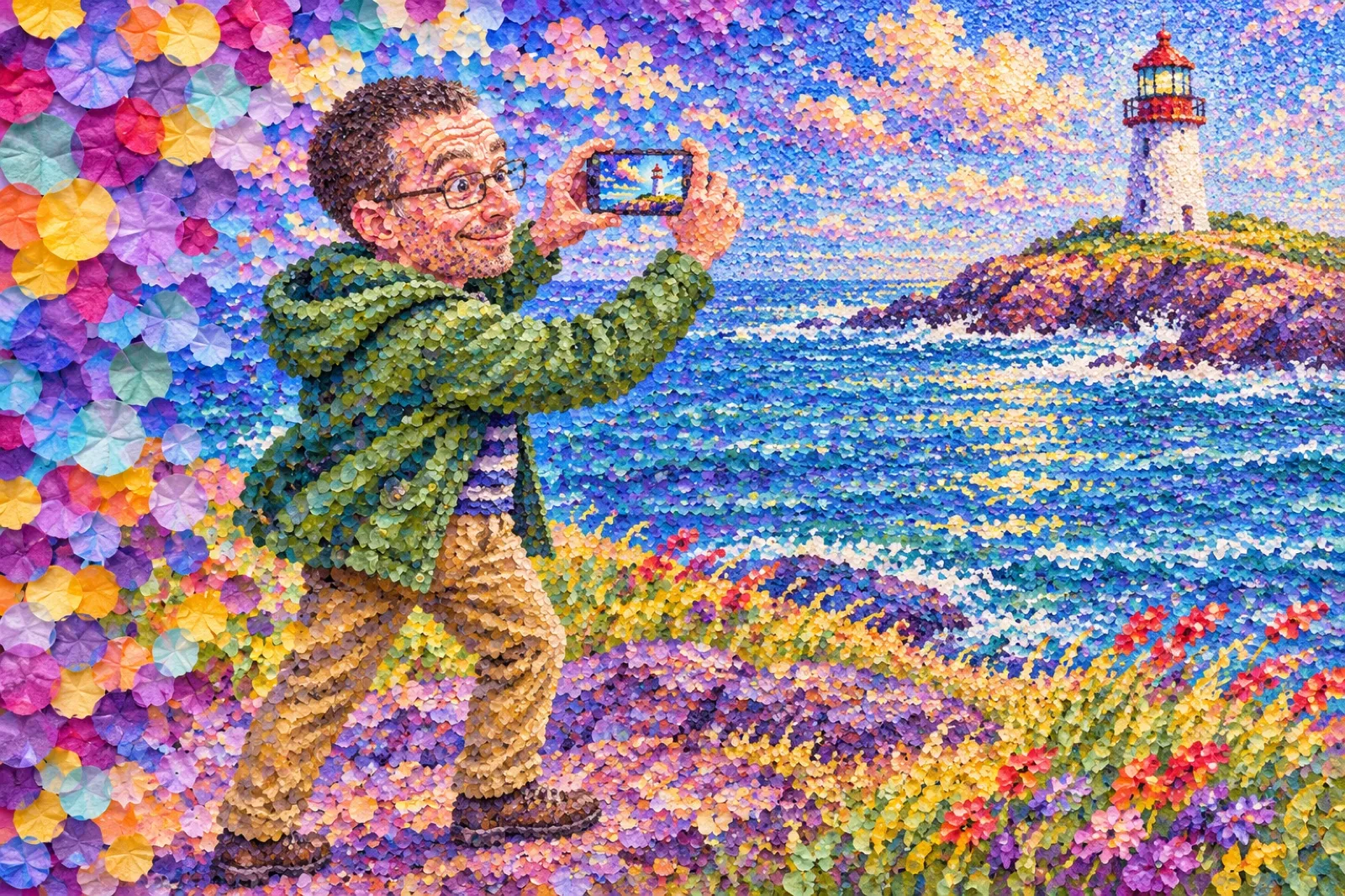
The tiny movement between shots can help a photograph. Burst Super-Res takes the offsets left by hands that were a little less steady than intended and uses them to combine samples from several photos. Finally, a camera application with a productive use for a little hesitation.
The project’s documentation describes a free desktop app that produces exactly twice the input width and height. That means four times as many output pixels. It also says, “the extra pixels do not hold 4x the detail.” For such a large file, the maker is careful to limit the claim to the evidence supplied by the individual photos.
The distinction is the mechanism. A burst can contain slightly different samples of the same scene because the camera moved by fractions of a pixel. After alignment, those samples can help with noise and fine edges. Copies at identical positions only help reduce noise. More files alone do not supply a different view of what the sensor missed.
The v0.2.0 release notes explain a useful practical change: local alignment corrects small areas when one shift and rotation cannot match the whole frame. The maker reports one handheld pair improving from 4.36 pixels of alignment error to 0.06. That is a result from its example, not a promise for your entire vacation folder.
Motion still sets a hard limit. If leaves, people or water move between photos, their unmatched areas are excluded from that frame. A larger image doesn’t turn a moving subject into extra evidence. The software has to work with the other usable samples, and the moving portion doesn’t get the same detail benefit.
That makes a still object or an architectural scene a sensible first experiment. A fast-moving pet would supply an excellent demonstration of why the subject matters (the pet will decline the documentation). The comparison to watch is the merged result against one original enlarged to the same dimensions, especially at an edge where the separate samples should show an improvement.
The maker includes alignment badges and deselects badly aligned frames. Those are more useful than a giant megapixel badge because they tell you something about the material going into the merge. An impressive output dimension cannot compensate for a soft reference photo. The documentation explicitly says camera-shake blur remains blur.
The release also distinguishes builds from tests. Version 0.2.0’s Linux x86_64 merge, compare and save path was tested by its maker, while the other listed platform builds were not yet tested in that release. A downloadable package and a proven working package are two separate milestones; release notes that admit the gap save readers the discovery.
For someone with existing static-scene bursts, the appealing upgrade could be a different way to use photos already on disk. Whether the gain survives a real print or your preferred crop remains a comparison to make with that particular burst. The existing camera still supplies the original observations, and this merge succeeds only when those observations can be aligned into something useful.
A little shift happens.