
SoftwareCapridesktop petClaude CodeCodexAntigravityCyberpunk: EdgerunnersClaude Code hooksWindows
Capri Is a Free Cyberpunk Desktop Pet That Narrates What Claude Code, Codex and Antigravity Are Doing, and Sulks When You Open ChatGPT
Capri Desktop, a fan-made Cyberpunk: Edgerunners companion by mochiiwuff, reads your coding agent's hooks on 127.0.0.1 and turns every edit, test run and permission prompt into a running commentary on your Windows desktop.
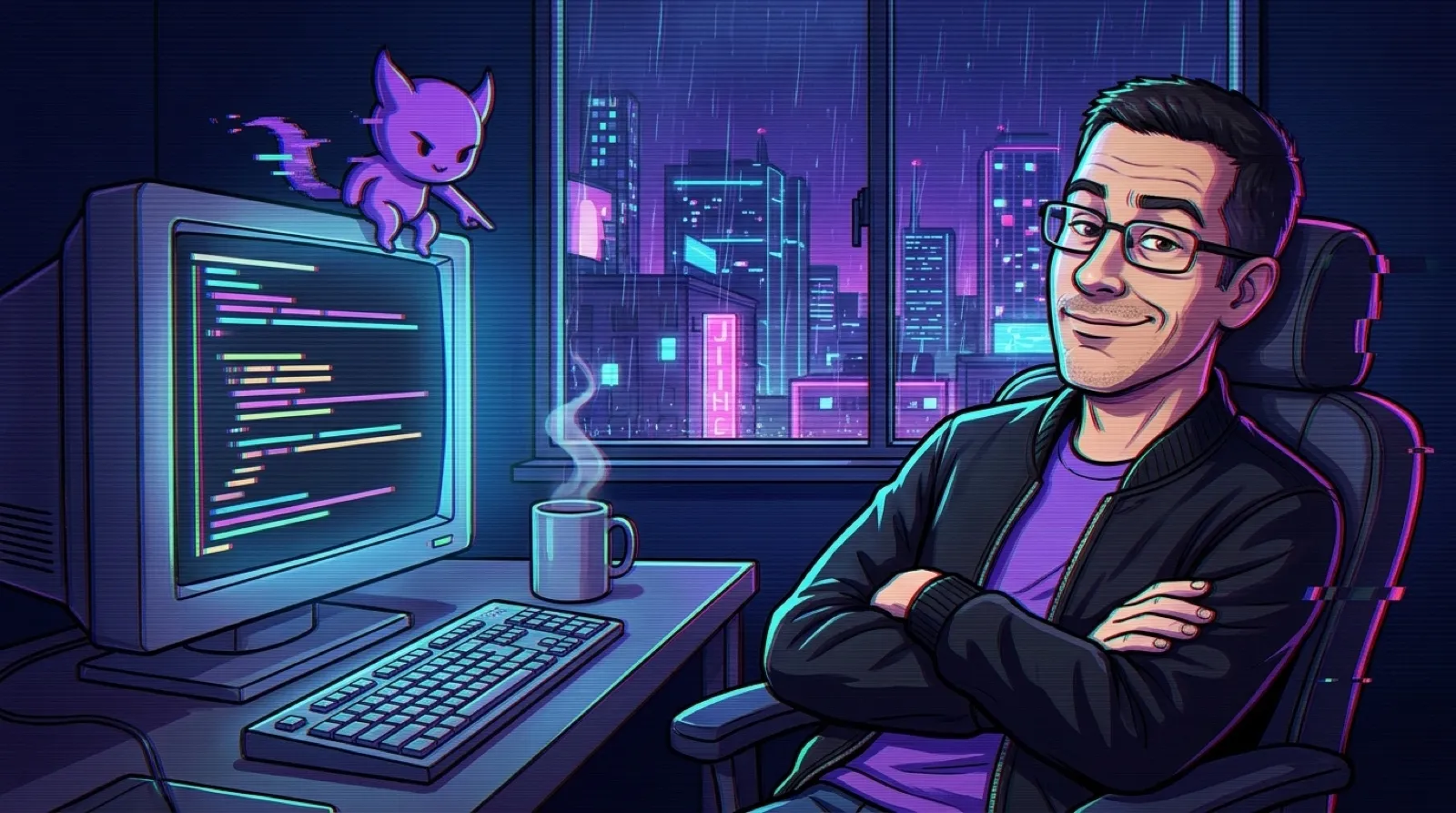
Claude Code is quiet for 15 seconds, and the ticker over Capri’s head turns violet. It starts counting: “THINKING… 45 s.” At 40 seconds she says something about it. At two minutes, the README says, “she tells you nothing’s stuck.” When the agent goes back to work, the ticker goes back to plain verbs: EDITS gigs.ts, RUNS npm test, GREPS "paginate".
That’s the job the project’s README gives her: Capri “lives on your desktop and tells you what your coding AI is up to.” The character is the Project Capricorn construct from Cyberpunk: Edgerunners, and the README calls it “a non-commercial fan project with no affiliation.” The rights to the character belong to CD PROJEKT RED, Studio Trigger and Netflix, and the character images in the repo, taken from frames of the show and fan art, are not covered by the code’s license.
The interesting moments are the ones that need you. When Claude asks for permission, “she teleports next to your mouse, mane bristling, and won’t let it go,” and if the question is in another window she points at it. When a command fails, you get a “red impact frame, she gets knocked back, heavy glitch, and the error line that actually matters.” When the job finishes, she sums it up as a card like 12 actions · 3 files changed · 2m 14s.
She also has opinions about the competition. “When the window in front of you is another AI (ChatGPT, Gemini, Copilot, …) she notices and says so,” the README says. Now and then she “possesses” the window she’s sitting on, with red lightning around its frame. If she gets mad, she stays mad until you type “sorry” or “my bad.”
The wiring is plain. Clicking Plug me in adds a hook to ~/.claude/settings.json, and “a backup is written first.” Codex hooks go in ~/.codex/hooks.json and Antigravity hooks in ~/.gemini/config/hooks.json. The hooks run async, so “they never slow Claude down, and when Capri isn’t running they do nothing.” What the hook sends is the tool name, file path, command, the start of your prompt and up to 6,000 characters of Claude’s last message, and it sends them to 127.0.0.1 only. “Your file contents are never sent: for a write, only its size goes through.” Her chat runs on a local model through Ollama.
There are limits. The Windows installer isn’t signed (“a code-signing certificate costs money”), so SmartScreen will warn you. The window tricks are Windows-only, and macOS and Linux run from source and are “Not tested” yet. Cursor, Windsurf and Gemini CLI are “not yet.” Capri costs nothing, but Claude Code “needs a paid Claude plan (Pro or higher) or an API account.” The code moved from MIT to the PolyForm Noncommercial License 1.0.0 after version 0.4.3, so you can use, change and share it, and you can’t sell it.
Where agent companions go next
Coding agents now run long enough that people walk away from them, and a status line in a terminal doesn’t follow you across the room. Expect more of these: ambient displays, menu bar meters, desk lights and characters that read the same hooks. The hook files Capri writes into are already the common interface for all three agents she supports.
The character license is the open risk. A fan project built on a studio’s character can be asked to change, and the README already says what happens then: “If a rights holder wants them removed, open an issue.” The code and its hooks would keep working with a different character drawn on top.
Right now Capri can tell when Claude Code needs you and when it’s done. Whether she can learn to tell a stuck run from a slow one, without reading the files she promises never to see, is the next thing her author has to solve.