
Ghosts ’n Goblins designed Red Arremer to be harder than a boss
An arcade trade-show conversation preserves a balancing dilemma: how often can a memorable nuisance appear before players get angry?
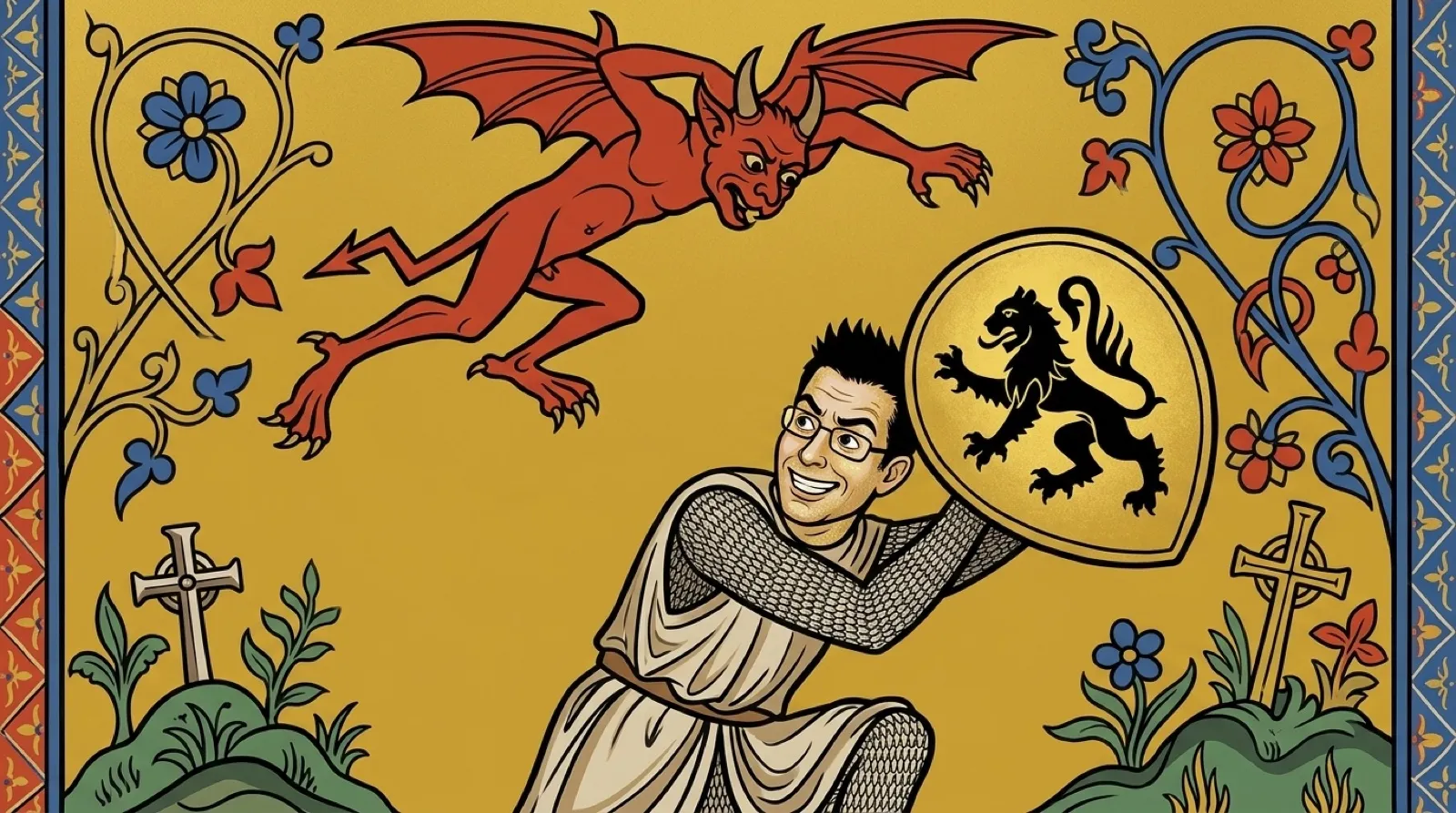
That little red demon was supposed to be worse than the boss. Your memory gets a supporting witness.
In shmuplations’ translation of a 1988 interview, Ghosts ’n Goblins creator Tokuro Fujiwara says he wanted Red Arremer “more difficult than a boss”. Its movements deliberately ran against the player’s expectations.
Asked about the single Red Arremer in the sequel’s first stage at the AM Show, Fujiwara said adding more could make players angry about the difficulty. Hiroshi Yamamoto explained that most of the sequel team were fans of the original, with firsthand experience of being punished by the enemy.
So the people adjusting Ghouls ’n Ghosts included people who already knew exactly which demon had ruined their afternoon. They still had to decide how much of that experience to preserve.
A boss usually announces itself. A small enemy can interrupt the ordinary rhythm of moving through a stage, which makes the expectation problem especially effective. The interview gives a reason to revisit that frustration: the designer wanted an opponent whose behavior undermined what the player anticipated.
That changes how a replay can be approached. Rushing into the same response repeatedly tests whether persistence works; pausing to watch tests whether the response itself is wrong. The interview supplies the design intention, while the player’s next attempt supplies the observation. It does not publish a universal sequence that guarantees a win.
The sequel’s staffing adds a wonderful complication. People who knew the pain were now helping choose how much pain to deliver. Familiarity can help a developer recognize a memorable encounter, but it can also make an old difficulty seem more reasonable than it feels to somebody meeting it cold. The single-enemy example makes frequency part of the balancing discussion.
For someone designing a game, that suggests separating several questions during a test. Can a new player recognize the danger? Can they learn a response? Does another encounter arrive before they have had a chance to recover? A harder enemy and more copies of the same enemy can produce different kinds of frustration. Changing both at once makes it harder to discover which choice caused the result.
For the returning player, the payoff is smaller and more personal: an old aggravation has a documented authorial intention behind it. The demon was not accidentally being a nuisance because memory has exaggerated a childhood afternoon. Fujiwara describes the reversal directly in the translated interview.
The unresolved bit is what survives when a practiced player returns. Knowing that an enemy defeats expectations does not immediately undo the expectation. The next attempt can reveal whether the hands learned something the memory has forgotten.
A modern replay can separate the enemy you remembered from the behavior you actually provoke. The interesting part is which old habit still gets punished.