
Hacks & BuildsZeppelin AirAirPlay 2Snapcastfirmwarereverse engineering
zd1 open-source firmware gives the 2011 Bowers & Wilkins Zeppelin Air AirPlay 2 and Snapcast, flashed over USB
It replaces the firmware on both of the speaker's boards, falls back to the old version if an update fails, and ships under the MIT license with no tie to B&W, Apple or Spotify.
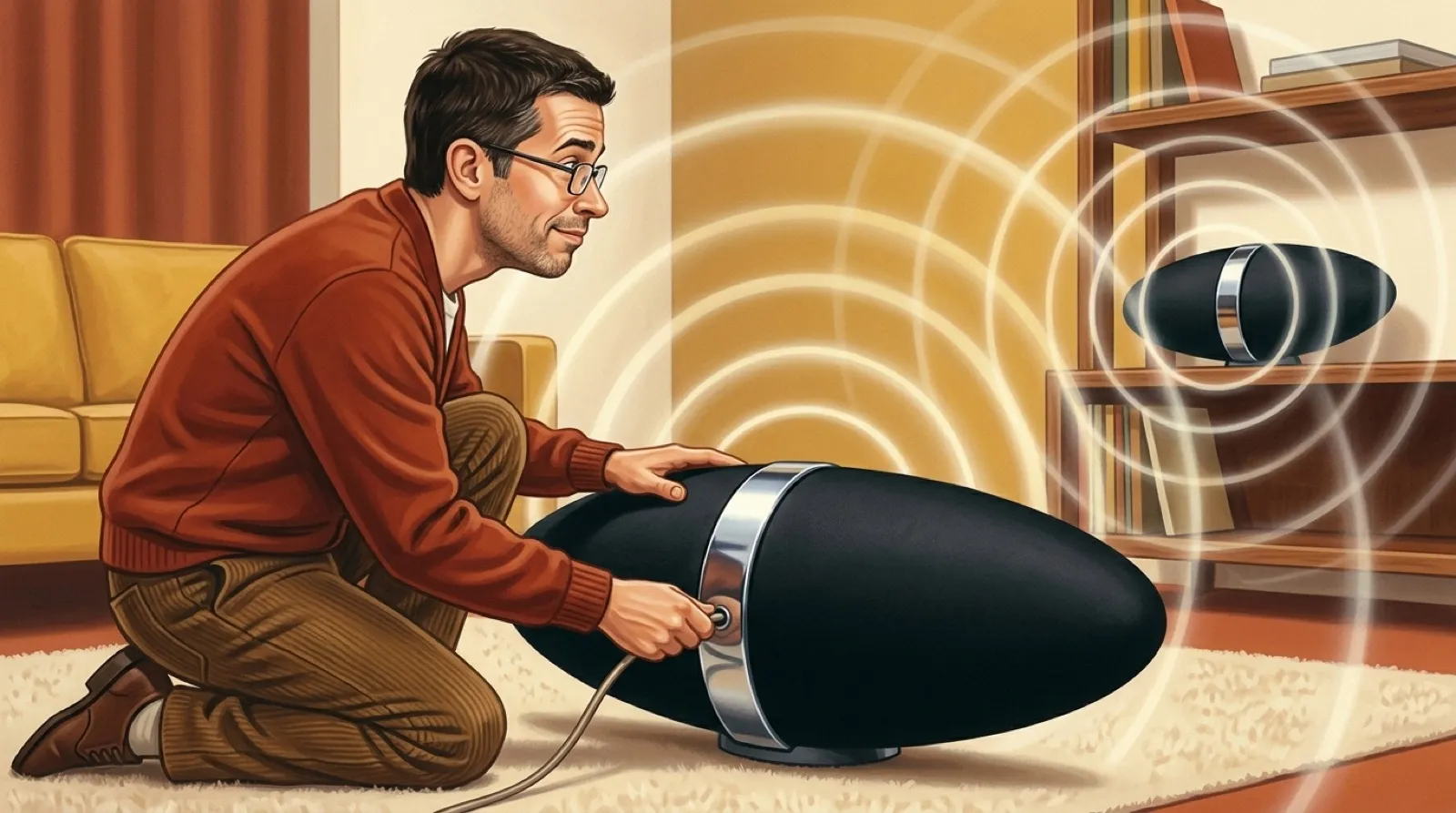
Remember the Bowers & Wilkins Zeppelin Air, the airship-shaped speaker with a 30-pin iPod dock on top? The zd1 firmware takes it out of 2011 and puts it on a modern network. The README says it adds AirPlay 2 and Snapcast, and that it “replaces the firmware on both of its boards.” The author states the odds plainly: “It is a hobby project, reverse-engineered from the stock firmware and developed on one speaker.”
The feature list is better than that warning suggests. AirPlay 2 works with multi-room grouping, lossless 24-bit ALAC from an Apple TV and an optional PIN, and AirPlay 1 senders still connect. Snapcast client support covers PCM and FLAC. The USB and analog AUX inputs stay, and the amp goes to sleep after 5 minutes of silence.
Installing and updating happens over USB. You can use a web page in Chrome, Edge or Brave, which talks to the speaker through WebUSB, or a command-line tool called zd1. The README says updates fall back to the previous version if the new one doesn’t start. (A parachute, at least.)
Then come the limits, and they are honest. The iPod dock “does nothing” with this firmware, which makes the speaker an airship that can no longer carry its original cargo. Spotify Connect is unusable: Spotify refused the audio key for every track on the one account tested. Windows can’t open the speaker yet. The Wi-Fi is 2.4 GHz only, and WPA3-only, WEP and enterprise networks won’t join. There is no HomeKit, no IPv6 and no network control, so settings go over USB only.
Volume gets a ceiling. It is capped at step 40 of 71 by default, on every source, and you can change it in the web page’s Behaviour section or with zd1 prefs --volume-cap N. Up to 40 is the loud end of the polite range, which is a very B&W way to treat a speaker.
The risks section is the best part of the README. The firmware rewrites both boards, with backups and a rollback path, but the amp’s power supply is the “weak spot,” and it failed once on the developer’s unit. The author also warns: “If it breaks your speaker, you keep both pieces.” The project is unaffiliated with Bowers & Wilkins, Apple or Spotify, and its own code is MIT, while vendor binaries in blobs/ and the re/ material are not covered by MIT.
Old hardware tends to get a second life once somebody reads its firmware, and this one is a decent example. The risk is also real: the hardware is 15 years old, and a weak power supply does not care how clean the new code is.
The README’s own last word on risk is that “the first installs are the test.”