
Size It Up asks you to resize silhouettes, then scores how far your eyeballs missed
Magnitudle's daily puzzle pairs visual intuition with a surprisingly detailed artwork provenance catalog.
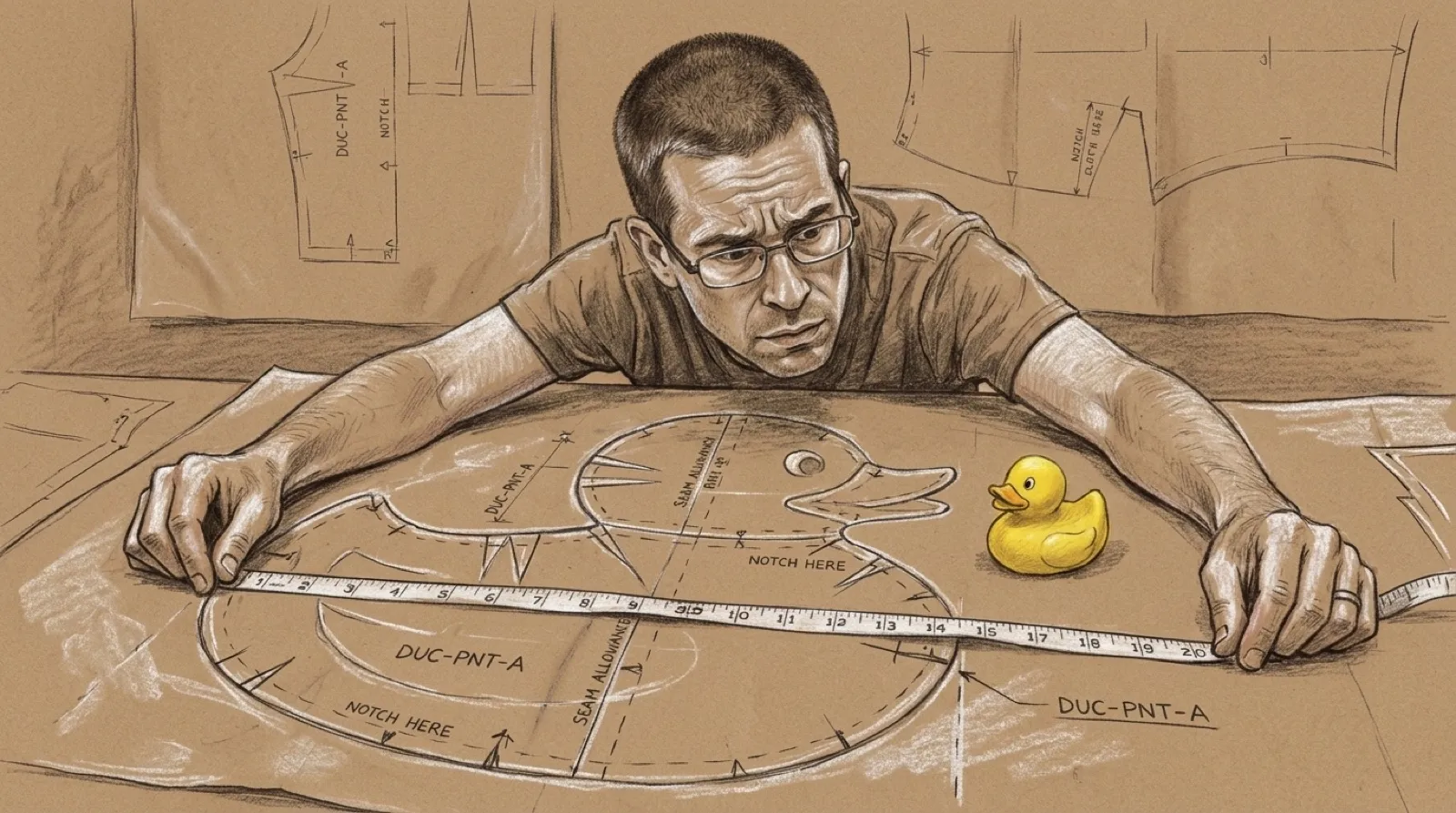
A recognizable outline can make you feel much better informed than you are. Of course you know what that thing looks like. Put it beside another thing, though, and suddenly your extremely sophisticated internal measuring equipment consists of squinting at the screen.
Magnitudle’s Size It Up turns that uncertainty into the entire game. You change a target object’s size relative to a known reference, then lock the estimate. The reveal tells you how close the guess was, taking your measure in the process. Your sense of scale gets graded (how very considerate), with the reference still sitting there to show exactly where the confidence went wrong.
The maker describes it as a “daily visual size-estimation game.” There are five comparisons per daily game, with each round worth up to 100 points. A perfect total is 500. Closer estimates earn more points, although the public explanation doesn’t spell out a scoring equation. A score can tell you that a guess went badly without telling you exactly how the penalty was calculated.
That makes the reference object worth paying attention to. Recognizing the target only answers what it is; the reference gives your estimate something to stand beside. Think of buying a shelf from a product photo with no familiar object in view. Everything looks bookshelf-sized until the package arrives and it turns out the intended customer was a doll.
The game also links to Pop Culture and Geography editions and an archive of past rounds. Those give a reader somewhere to continue after the daily five, without us inventing a particular comparison that may have rotated away by the time the article appears.
The artwork credits are unusually specific for a browser diversion. They separate independently constructed shapes, licensed material, public-domain sources, and artwork described as AI-generated. Individual entries can document conversion into a filled silhouette and the treatment of small components or holes. The catalog doesn’t identify a model provider in the material checked here.
Paper-size entries, for example, describe constructed geometry. Country outlines include entries attributed to Natural Earth. Other entries explain how an illustration became a vector silhouette. Those details matter because a crisp black shape can look authoritative regardless of how it was made. The graphics have very little room for uncertainty; the credits have considerably more.
The catalog explicitly distinguishes rights in an outline from rights in its subject. A familiar character appearing as a silhouette doesn’t mean its owner endorsed the game. Apparently even a shape with all the details removed still brings its paperwork.
A puzzle this simple could encourage people to pay closer attention to scale in other pictures, especially product shots and comparisons. That would depend on how carefully the reference and target are represented. A daily score remains a game result; the catalog provides a place to examine the drawing behind it rather than assuming a clean outline is a measurement certificate.
Tomorrow’s five comparisons are still waiting to expose whatever today’s score lets you feel smug about.
Objects may exceed your confidence.