
Windows 3D Pipes survived a screensaver contest when marketing canceled the vote
An OpenGL team wanted a visible demonstration near the Windows NT deadline and found an optional place to put it.
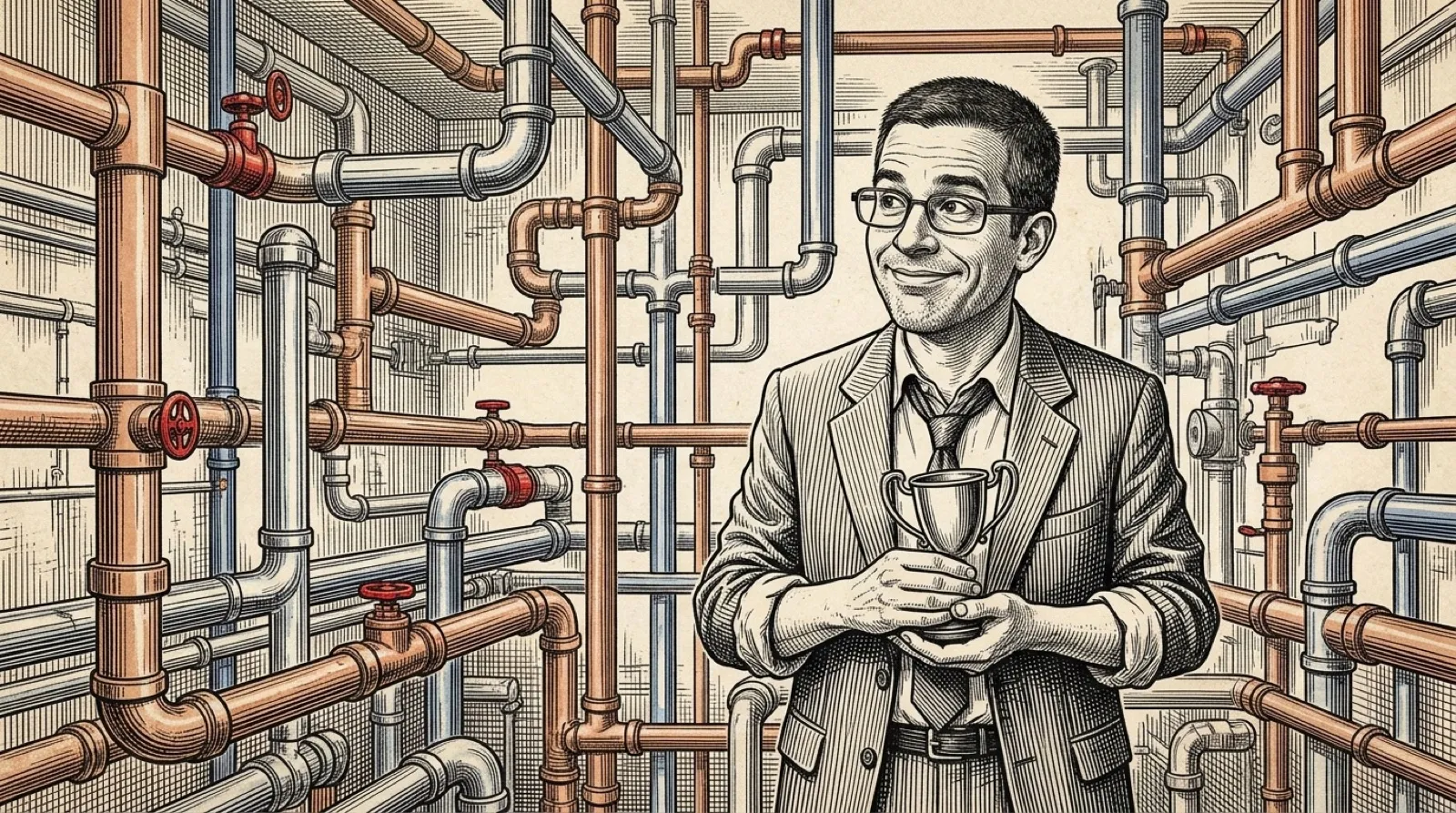
Windows’ famous pipes won a contest by having the contest called off. Marketing liked the entries enough to take the whole set, which is a remarkably efficient way to disappoint nobody on a development team.
Raymond Chen’s history recounts a story from an old friend on the Windows OpenGL team. Windows NT 3.5 was nearing release with OpenGL support, but the team lacked something visible in the product to demonstrate it. An implementation can be a considerable achievement and still look, to the person using the desktop, like absolutely nothing happened.
A screensaver offered an optional demonstration with a relatively simple fallback if it misbehaved: stop using that screensaver. The team organized a contest, initially promising a place in Windows to the entry with the most votes. Pipes joined entries such as 3D Text and 3D Flying Objects.
A marketing colleague saw the candidates before an already planned magazine visit and loved them. Chen recounts the reply, “We’re adding all of them to the product!” The vote no longer needed to decide which demonstration deserved the slot. The slot had expanded to fit the work.
This is Chen relaying a colleague’s recollection, rather than publishing the original contest email. That distinction still leaves a wonderfully concrete mechanism: an optional feature made an otherwise invisible graphics capability easy to show. A moving pipe is more immediately legible than an API implementation checklist, even to somebody who already knows why the checklist matters.
The browser reconstruction supplies a convenient modern way to revisit the attraction. Its controls include rotating the view and restarting the pipes. Being able to move around them helps explain why the original idea was effective: the graphics themselves could supply the pitch while the computer happened to be idle.
That doesn’t make a screensaver a free place to put work. Optional software still runs on a real machine, and “it can be disabled” is a recovery path rather than proof that it cannot cause trouble. The team’s choice is interesting because it identified a manageable demonstration surface close to a deadline, with a consequence people could understand.
A present-day team could borrow the same idea by giving a hidden capability a small, understandable demonstration. The risk would be forgetting that the demo also becomes a feature people use and remember. Once that happens, the modest animation can outlast the explanation it was built to give. Plenty of people can picture those pipes without remembering which graphics API needed an introduction.
The pipes kept the whole team.