
A browser VHS camera gives your video tape hiss along with the tracking noise
Clean, Dirty and Worn presets let a perfectly usable recording acquire the problems a generation of camcorder owners tried to avoid.
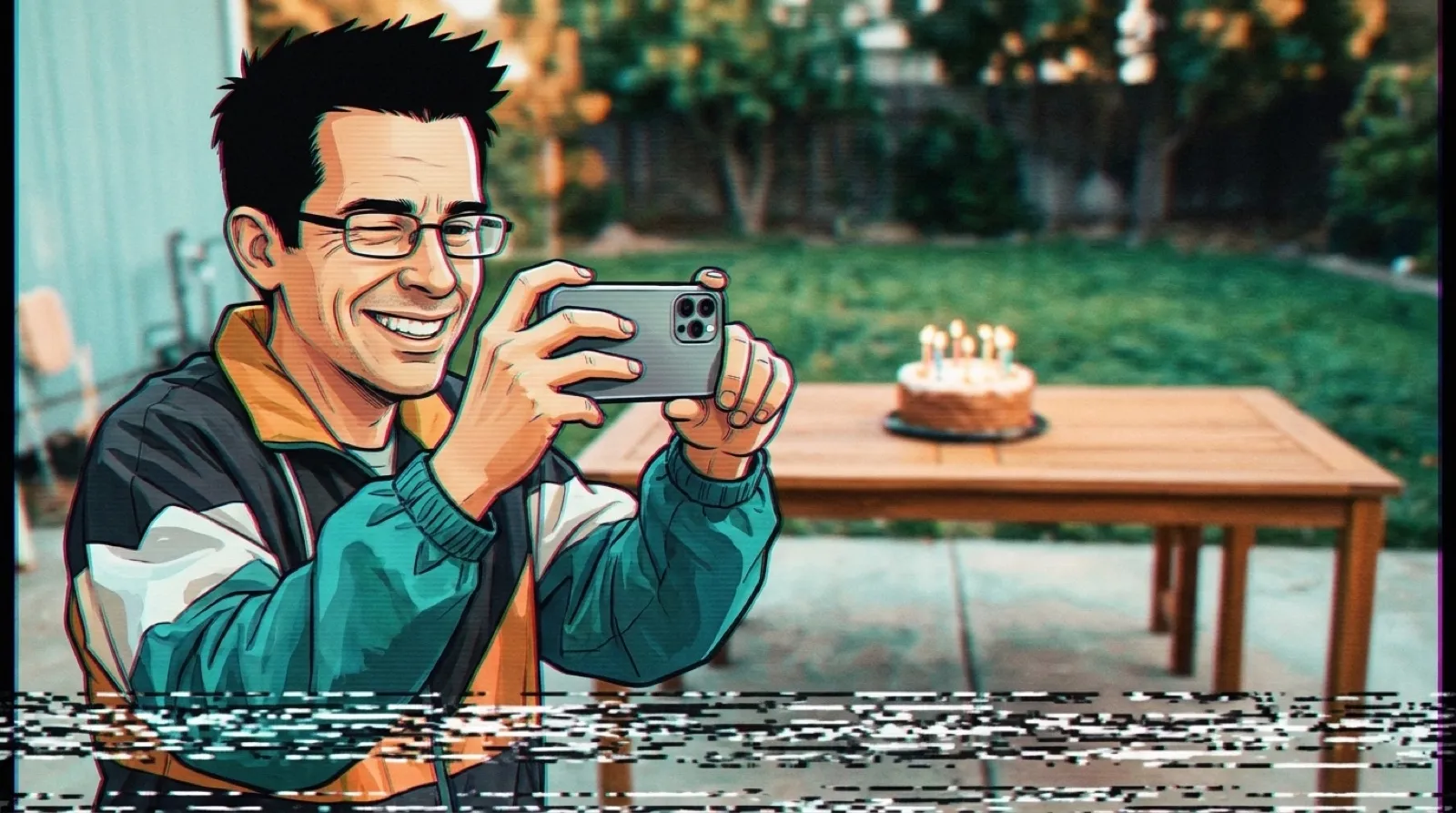
A crisp modern video can now acquire the problems somebody once paid good money to get rid of. FotoJock’s browser camcorder offers Clean, Dirty and Worn tape settings, plus a date stamp and sound controls.
Its page promises “nothing is uploaded” to a server. This description follows the maker’s documentation, rather than a network inspection or an export-quality test. The tool accepts MP4, MOV and WebM clips as well as a live camera, so an existing video can get the treatment without filming it again.
The page describes the underlying effect as being based on ntsc-rs, simulating video encoding and recording rather than just laying a decorative picture over the frame. On slower phones, detail can be reduced to keep motion smoother. The sound button’s “one tap turns it off” promise is handy when the picture needs nostalgia but the dialogue still needs to be understood.
The cleanest starting point is a copy of a short clip whose picture and dialogue you know. That makes it easier to tell whether the filter is producing a deliberate effect or simply making an already difficult recording harder to follow. Saving the original separately also leaves a way back when the nostalgic version turns out to be a little too nostalgic.
The controls divide the experiment into picture, date and sound. That separation gives a useful creative choice: a modern conversation can keep intelligible audio while the image takes on the damaged-tape appearance. Putting every control at its strongest setting would answer a different question, mostly about how much degradation the audience will tolerate before giving up on the conversation.
The maker’s local-processing claim changes where the work happens. A long video still needs to be processed somewhere, and here that somewhere is the phone or computer in front of you. For a practical trial, the same short input and settings can be exported on the intended device before committing to a larger clip. A successful preview is a reason to inspect the saved file next.
The date stamp needs a little editorial care too. Adding an old-looking date to new footage is an effect, so a shared clip should give viewers enough context to understand what they are seeing. A family joke and an apparently historical recording make different promises. The filter cannot decide which promise the caption makes.
A fake tape can be useful precisely because it is optional. The useful comparison is the original beside the export, with attention to faces, small text and spoken words. If the scene becomes harder to understand without gaining anything amusing or expressive, the old camcorder can stay imaginary. The next short export can keep the visual treatment and leave the soundtrack alone.
An effect this easy could make every new clip look old; the more interesting test is whether the scene actually benefits from losing some detail.