
Apple’s Pizza-Container Application Gave Steam a Chimney
Francesco Longoni and Mark Doutt tackled a familiar takeout complaint with an enclosure that directs airflow beneath dinner.
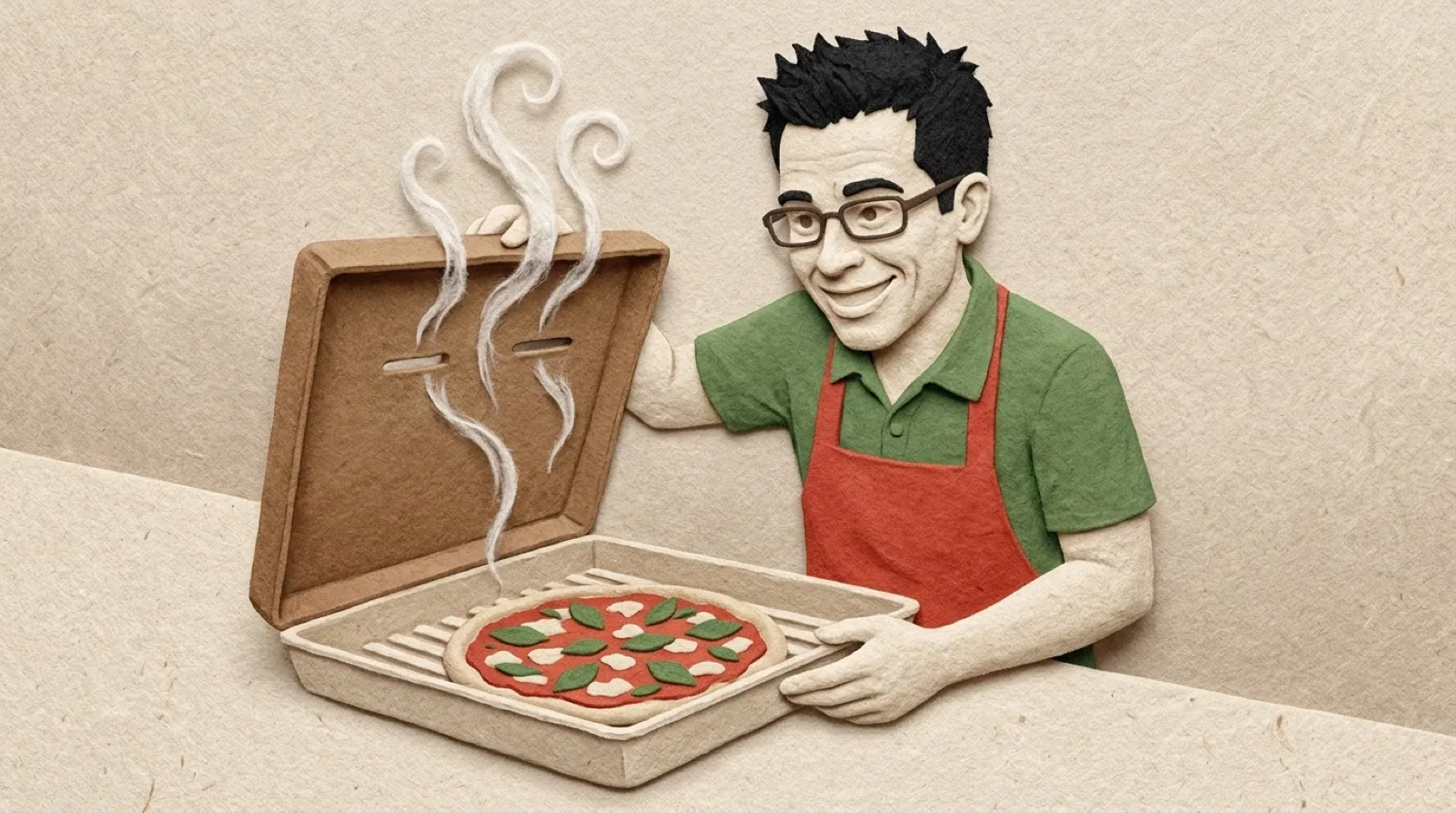
Pizza came with a moisture-management problem. The proposed container lifted it off the floor on concentric ridges, giving steam somewhere to travel before it could soak back into the crust.
The application’s description adds lid channels and a central platform to create a “chimney effect.” Pizza has apparently reached the stage where the enclosure needs an airflow diagram.
The record names Francesco Longoni and Mark E. Doutt as inventors and shows an assignment to Apple in 2016. Its listed abandoned status applies to this application. The record also links related filings; those would need their own examination before anybody made broader claims about Apple’s patents.
The filing separates two places where moisture can become a problem: underneath the food and inside the closed lid. Lifting the pizza creates a space below it. Guiding vapor toward openings gives that space somewhere to lead. A raised base without an outlet would leave a different question unanswered: where does the moisture go after leaving the crust?
That is a useful way to read the diagrams. Following a path through the package explains more than counting the holes. The ridges, channels and vents have to cooperate while the lid continues to do the ordinary container jobs of covering the food and holding its shape. A pizza box gets remarkably demanding once the pizza arrives hot.
For anyone evaluating a similar design, a fair comparison would hold the food, starting temperature, waiting time and room conditions steady. The measurements could then separate retained heat from retained moisture. Otherwise a crisp crust on a colder slice could be mistaken for success, or a hotter soggy slice could win the wrong contest. Those are proposed evaluation criteria, rather than results supplied by the application.
The assignment date also deserves a place beside the novelty. A document can acquire a corporate owner after it was first filed. Sharing the Apple connection without that chronology encourages a much larger story about product development than the record establishes. The inventors and the application number give readers a way to inspect the actual document instead of trusting the punch line.
Anyone expecting a shopping link will need another source. This application describes how a container could work; it doesn’t provide a catalog item or a comparison against the box at the nearest restaurant. The next useful demonstration would close an actual lid over the same food, wait the same interval and show what changed underneath.
The engineering question survives the novelty: how much heat can a package retain while letting enough vapor escape? The next useful evidence would be a controlled food-temperature and moisture test. The application alone leaves that meal on the drawing board.