
Daggerfall Unity runs the free DOS game’s world in a modern engine, with a VGA mode
The recreation pairs old assets with current controls and optional mods, while keeping a deliberately low-resolution way back.
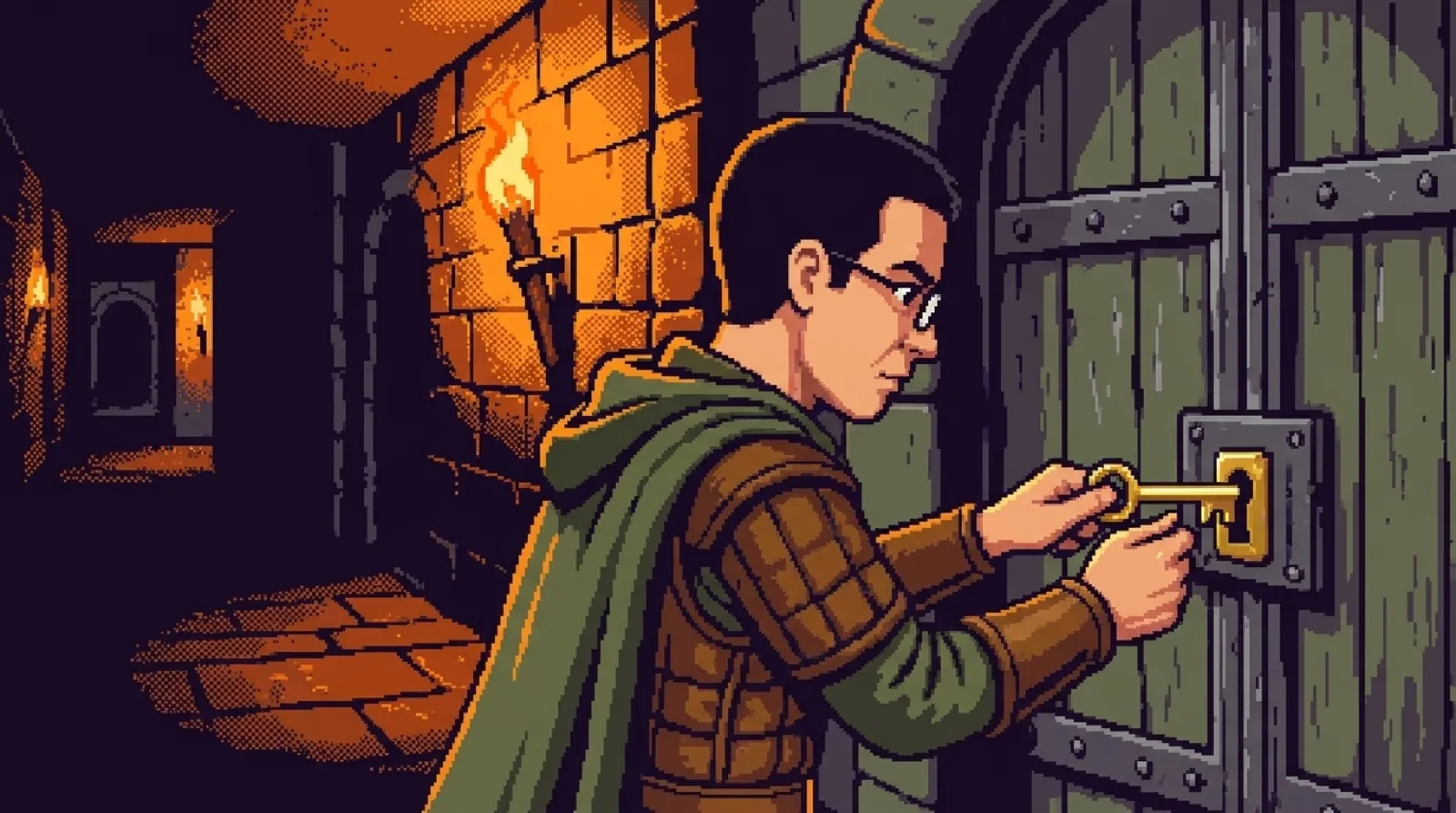
Daggerfall Unity can give Daggerfall a modern engine and then deliberately send the picture back to 320 by 200. The old game’s assets supply the world, while the replacement handles current displays, controls and mods. The pixels can remain enormous by choice. Nostalgia finally has a resolution setting.
The project README describes an open-source recreation with hundreds of fixes and a substantial mod community. Its listed features include widescreen support, longer draw distances and smoother first-person controls. These are the maker’s descriptions of the project; the source doesn’t turn every optional mod into part of the base game.
The installation needs two downloads. A free DOS copy of Daggerfall provides textures, models and sound effects, and Daggerfall Unity supplies the engine. The project links to the DOS game’s Steam page and its own releases. The engine is extracted into a separate folder and pointed at the original data.
That separation is the useful trick for revisiting an old game. The art and world don’t have to be rebuilt from somebody’s memory just because the software around them is being replaced. A familiar place can remain recognizable while movement, rendering and maintenance change underneath it. The dungeon gets new plumbing, with the old damp atmosphere included.
The retro setting has two stated resolutions, 320 by 200 and 640 by 400, with VGA palettes. It gives a player an alternative to treating every return visit as a quest for maximum texture detail. Bigger numbers on the settings page aren’t everybody’s favorite kind of progress (shocking, apparently).
Mods provide the other direction. The README lists examples ranging from upgraded art and sound to new quests, guilds, locations and changes to gameplay. Those options make this a platform for different experiences, rather than one compulsory remaster aesthetic. The player decides how much of the original presentation to keep.
The system requirements distinguish a minimum setup from a recommended one and warn that optional mods can raise requirements or reduce stability. That warning has a concrete implication: a clean installation is a more useful starting point than adding an entire collection before checking that the base game works.
A first run also gives a reference for what later changes do. If controls, graphics and a new quest pack all arrive together, a problem has several possible owners. Starting with the base game and adding the desired changes in steps makes troubleshooting less of an expedition. Daggerfall has enough of those already.
Projects like this could keep older games accessible without forcing every player into the same preservation philosophy. Here the original assets, a replacement engine and optional modifications remain distinct choices. The next adjustment can be as modest as a draw-distance slider or as large as a different-looking world.
VGA still gets a seat.