
Julius keeps Caesar III’s gameplay bugs so the original saves still work
The open-source engine draws a clear boundary between modern presentation and changing the simulation underneath an old city.
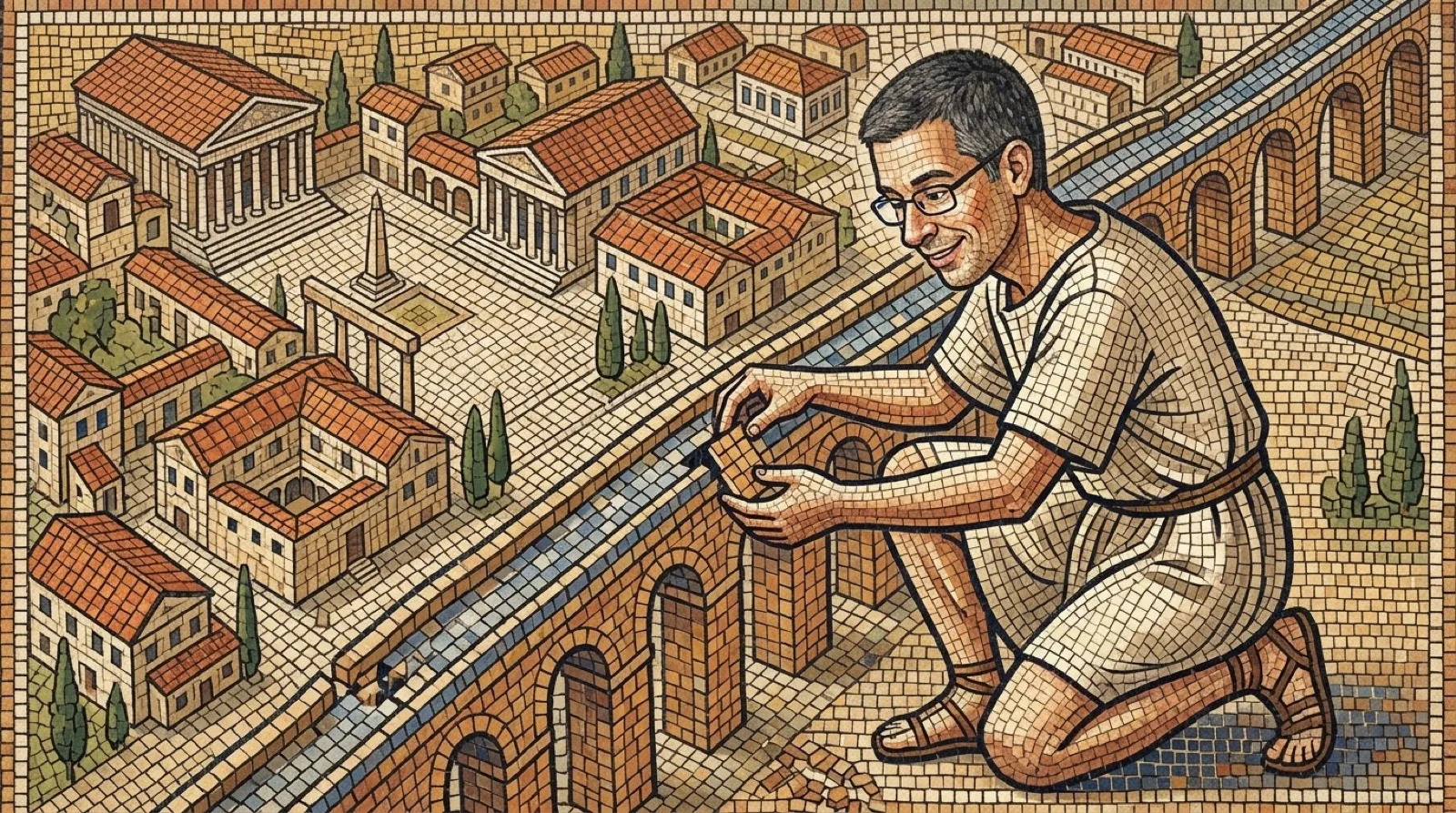
Julius has bugs on purpose. The open-source Caesar III engine aims to preserve the original game’s simulation closely enough that its saved cities remain compatible, and that includes the gameplay mistakes. Rome wasn’t debugged in a day. In this case, some of the debugging would spoil the assignment.
The Julius README says “any gameplay bugs present in the original” remain in the recreation. That is a specific compatibility promise. It doesn’t mean the project rejects all fixes or refuses improvements to the interface; it means changes to the simulation can alter what happens when an old city starts running again.
The engine adds widescreen resolutions, windowed operation and smaller quality-of-life improvements. It can also use the higher-quality MP3 files once offered on Sierra’s site. Those changes make the game easier to revisit while retaining the logic a saved city expects. A wider view doesn’t have to bring new rules for the people living inside it.
Julius still needs the original Caesar III data. The project points to digital copies from GOG or Steam and supports original CD-ROM files. The game must be patched to version 1.0.1.0, and the data directory needs to be writable because saved games go there. The engine download is a replacement component, rather than a free bundle of everything the commercial game contained.
For someone who wants gameplay changes, the README points to Augustus. That fork implements features such as roadblocks and takes a different view of how far a modernized Caesar III should go. Choosing the fork becomes part of choosing the experience, before a city is entrusted to it.
Save compatibility has a direction here. The documentation says Julius and the original Caesar III exchange saves, while Augustus can load original and Julius saves but writes saves those versions cannot load. A city can therefore make a one-way trip into the more changed simulation. Copying the save first is less dramatic than explaining the loss afterward.
The Caesar III game is the historical source of the assets, but the project’s own purchase links are the practical installation references. Compatibility also depends on following its patch instructions; a familiar folder name doesn’t establish that the required files are complete.
The project lists support spanning desktop systems, Android, handheld ports and compatible browsers. Each route can have its own setup details. A platform appearing in the list is a reason to read that port’s instructions, rather than assume one desktop package runs unchanged everywhere.
Preserving old software can mean preserving behavior that a new design would reject. Julius makes that trade visible and gives players a neighboring project when they prefer new rules. The unresolved question belongs to the city owner: which save format should the next session leave behind?
The bugs have residency permits.