
Doom2D’s browser port offers sixteen-player rooms without a game-account signup
The live interface exposes cooperative and competitive modes, local campaign saves and configurable room rules.
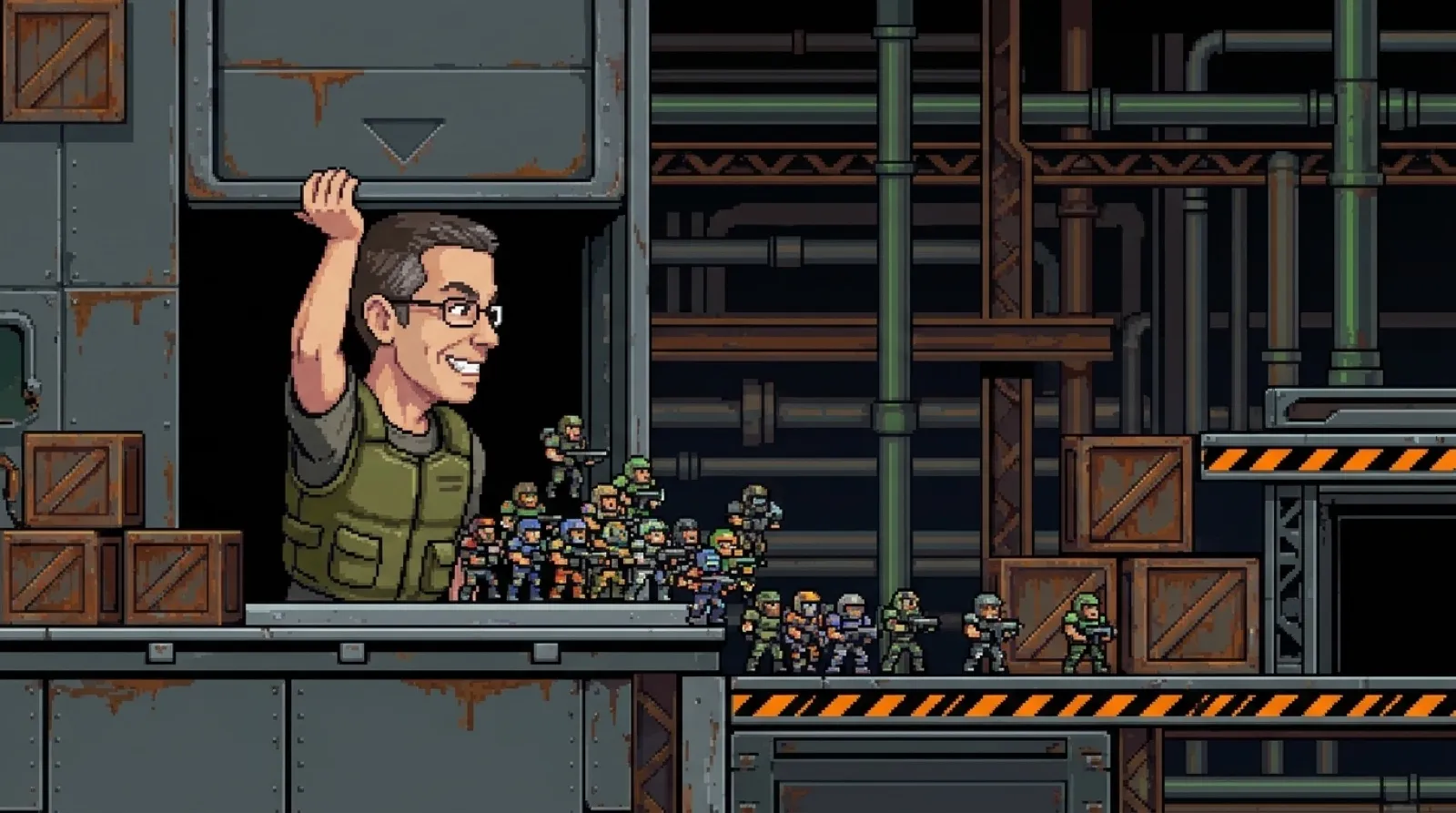
Doom2D’s browser page gives the demons a side view and up to sixteen players a room. The live interface offers a campaign alongside cooperative and competitive multiplayer, with a guest name instead of a game-account signup. The browser has found another way to turn a quick look into a much longer break.
The play page labels its multiplayer limit “Up to 16 players per room.” That establishes a room capacity advertised by the interface. It doesn’t establish that every device or network will deliver a smooth sixteen-player match, and this article doesn’t claim a live session was joined or load-tested.
Room creation includes cooperative play, deathmatch, team deathmatch and capture the flag. The page explicitly says capture the flag needs a map with flag points. A mode in a menu still has requirements in the map, a small detail that can save a group several minutes of wondering where the flag went.
Rules include time and score limits, lives per round and warmup. Several controls explain what zero means, including unlimited time or a disabled score limit. These are useful room settings rather than simply a Play button pasted on top of a demo. A group can decide what constitutes the end before everybody develops a different definition of winning.
The interface says player name and guest identity stay in the browser, and that single-player saves do as well. That makes the browser profile part of the continuity of the game. Clearing its data or moving to another device shouldn’t be assumed to carry that identity and progress along automatically.
Keyboard controls are documented on the page, including movement, jumping, aiming, firing, weapon changes and dropping a flag. It notes the Mac name for Left Alt as Left Option. The defaults also differ from many modern shooters, so the controls screen deserves a visit before a new player mistakes unfamiliar bindings for a broken gun.
There are touch-oriented control descriptions, too, with a left stick for walking and a right stick for aiming and firing. Their presence establishes that the interface has a touch route; it doesn’t make a performance or comfort claim for every phone. The exact device remains part of the experiment.
A browser game is especially easy to share because friends can begin from a URL, but the rest of multiplayer still exists: room choice, input setup, network conditions and a map that supports the chosen mode. The live page exposes those decisions instead of pretending a web address removes them.
The immediate attraction is a recognizable kind of action in a different dimension and a low-friction way to assemble a group. The remaining question is how the selected room behaves with the people and hardware actually joining it, which a menu alone can’t answer.
The demons got less depth.