
Diablo’s fan port lets the dungeon stay online after its first player leaves
DevilutionX separates the life of an online session from the player who opened it, while keeping several very different multiplayer modes.
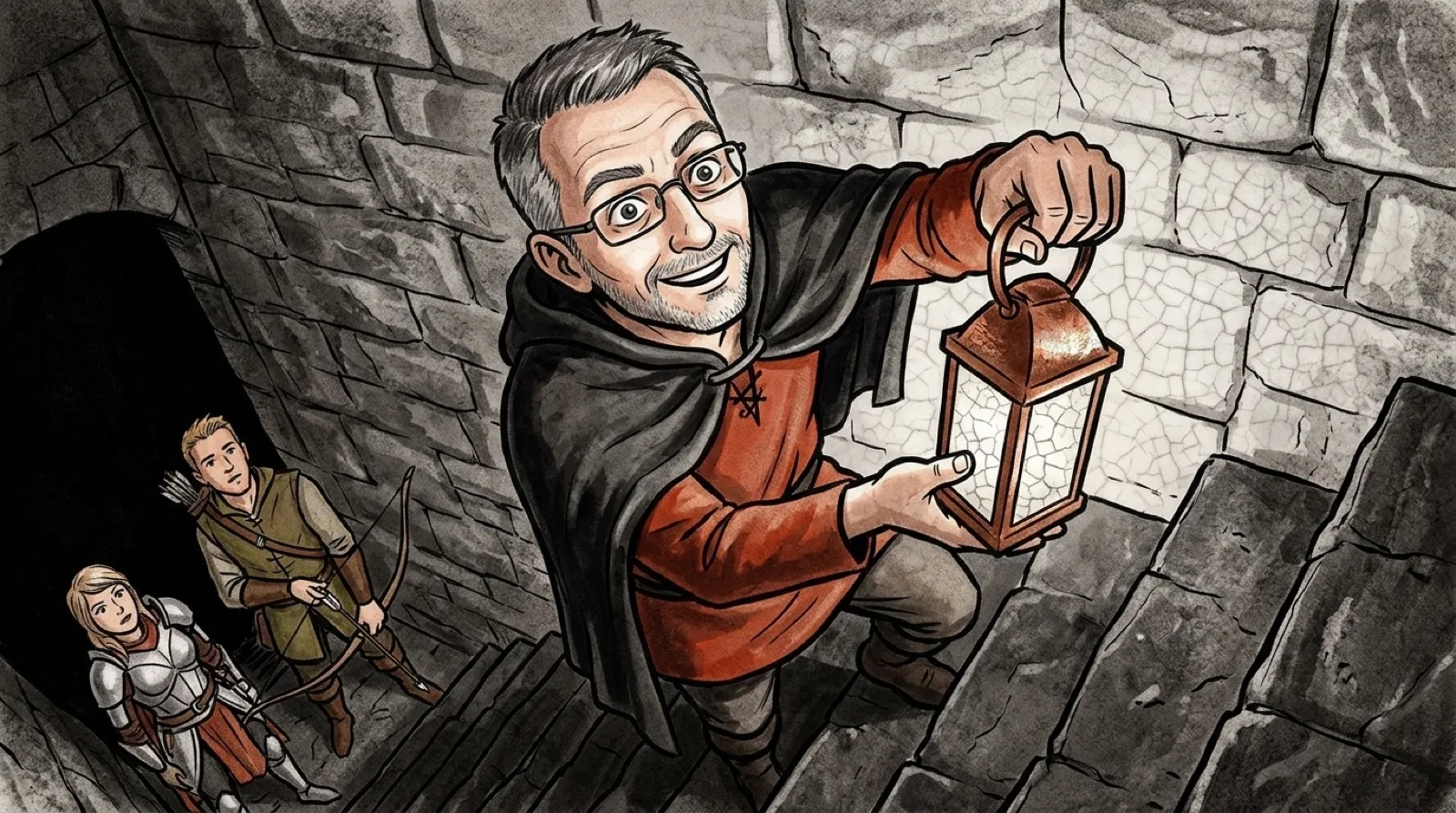
The first player can leave the dungeon without taking everybody else’s evening along. DevilutionX’s ZeroTier multiplayer keeps the session active across equal peers, so the person who started it does not hold the one magic switch that turns the room off.
The project’s multiplayer guide is explicit: “all peers are equal.” Players may join, leave and return in any order while somebody remains active. The last departure ends the session. The dungeon still has a closing time; it simply stopped appointing one player as the janitor.
That limit is important. This is session continuity across participants, rather than a promise of a permanently running world after everyone signs out. Someone planning a long campaign still needs to understand character saves and the game’s normal persistence behavior separately. Keeping a room open and saving everything forever are different jobs.
DevilutionX is a port of Diablo and Hellfire with engine improvements and optional quality-of-life features. Its installation instructions require original game data, with a shareware-data route for the shareware portion. Downloading the engine does not supply a license to all the original assets.
For a group returning to Diablo, that means there are two preparations: obtain the needed game data lawfully and agree on the multiplayer route. An engine download alone is an incomplete invitation, much like asking everybody over for dinner while the ingredients remain at the store.
The documentation offers ZeroTier, TCP client-server and offline multiplayer-character modes. Their networking assumptions differ. ZeroTier normally autoconfigures and can take around a minute the first time; TCP uses a host and can require forwarding a port. Recommending one as though it describes every menu choice would produce some enthusiastic troubleshooting.
The guide also lists platforms where ZeroTier may be absent, including Nintendo 3DS, Nintendo Switch and PlayStation Vita. A missing menu choice can therefore be a platform limitation rather than a failed installation. The simplest useful check happens before the group sets a time to meet.
Private and public games have another meaningful difference in the guide: private games are password protected and encrypted, while public games are not. A group wanting a private reunion should choose the appropriate session rather than depending on an obscure game name to provide privacy. Secret spelling has a disappointing security record (ask any password sticky note).
The broader design possibility is portable ownership of a shared session. When continuity does not depend on one designated starter staying connected, ordinary interruptions become less disruptive. That can improve the social experience without changing the game’s art, combat or monsters at all.
The project says it has not integrated with Battle.net. Its multiplayer paths form their own arrangement, and the final participant still decides when that particular room goes dark. Somebody needs to stay with the demons.
Last one out, lights off.