
A fan port brings a delisted Pac-Man phone game to Dreamcast, using your own Android game file
A fan-built runtime revives a delisted phone game on desktops and older consoles, using data supplied by its owner.
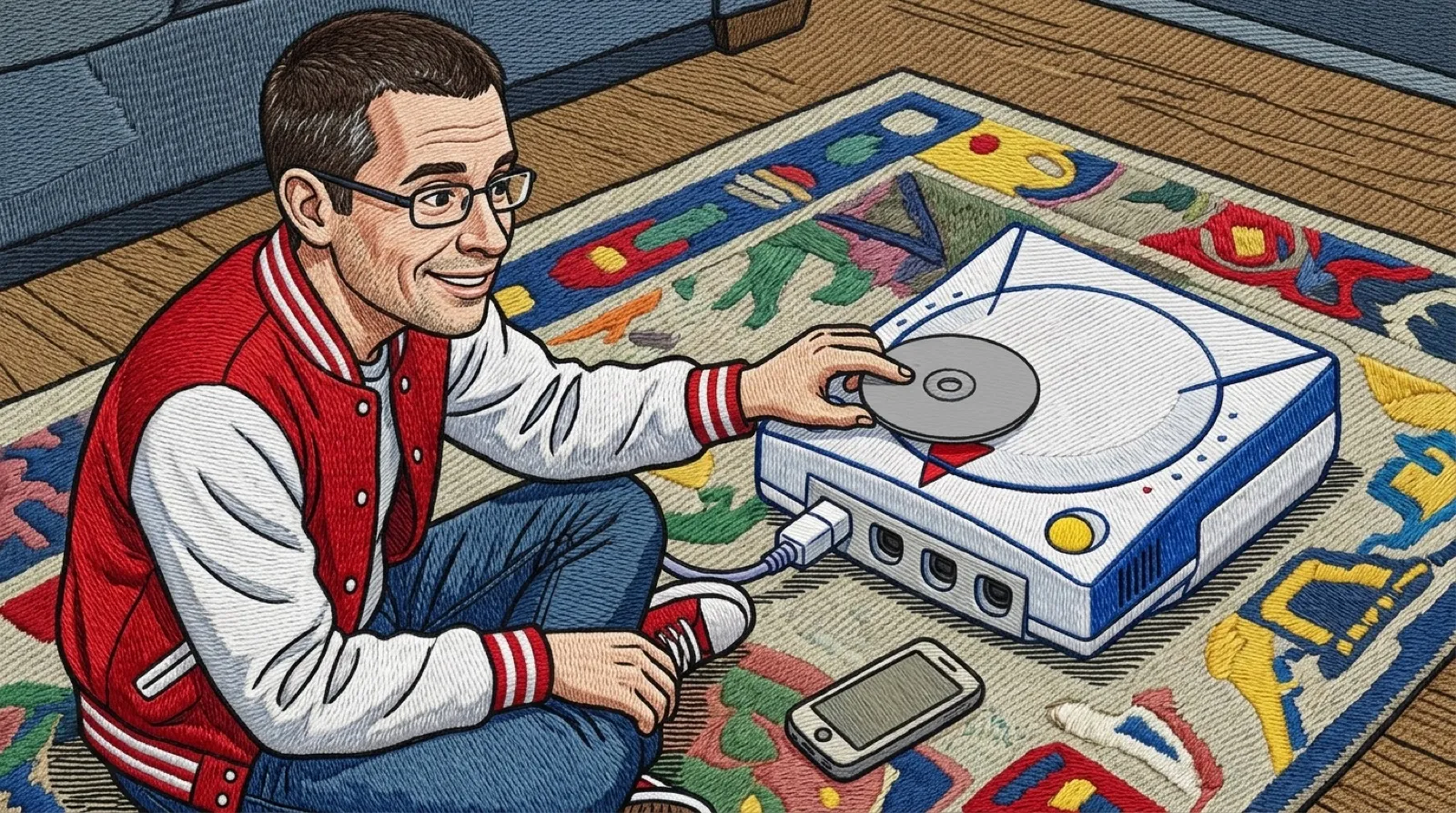
A delisted phone game has found a route onto a Dreamcast. Pac’N-Jump native separates the game’s behavior from the old package that holds its art, sound and levels. The phone supplies the ingredients, and an older console gets an unexpected serving.
The fan project covers Windows, macOS, Linux, Android, Nintendo 3DS, PS Vita and Sega Dreamcast. Its README describes all eight stages and 42 level maps, with menus, scores and achievements. The maker documents those features in the project README.
The essential requirement comes before the download buttons: bring the original Android APK. The repository does not include Namco’s assets, and the original iPhone package will not work for importing them. Owning one version therefore does not automatically satisfy the technical requirements of the other. Platform preservation can be very specific about which old file survived.
The import happens locally, either on the user’s device or in their browser, according to the project. It extracts the data needed by the new runtime rather than uploading the APK to a conversion service. The README also says the game makes no network connections during play. That is a published design claim, with no traffic capture conducted here.
The Dreamcast path is the entertaining mismatch. The project lists 60 frames per second, progressive or interlaced output, and scores and settings saved to the VMU in roughly one block. It also supports rotating the picture for a sideways display. A portrait phone game suddenly has a plausible conversation with an arcade-style screen arrangement.
Hardware support still has boundaries. The Dreamcast instructions identify emulator and optical-drive-emulator use, while burned-disc operation remains untested. The original 3DS and 2DS likewise should not inherit the evidence reported for a tested New 3DS XL. A platform name can cover several configurations, only some of which the maker has actually tried.
For someone investigating the Sega Dreamcast route, obtaining the right game data comes before considering console storage or display choices. A new runtime is only useful if the required original material remains available to its owner. The missing store listing is exactly why retaining those files can matter later.
This is a satisfying preservation direction because it preserves a way to play while making the asset boundary explicit. It does not pretend the delisting has been reversed, or that one download solves ownership and compatibility. The game gets another executable life, and the old package finally has somewhere new to jump.
One more jump for the old package.