
Protomaps serves an interactive world map from one static archive
PMTiles gives a small web project a way to own its map delivery without operating a tile database.
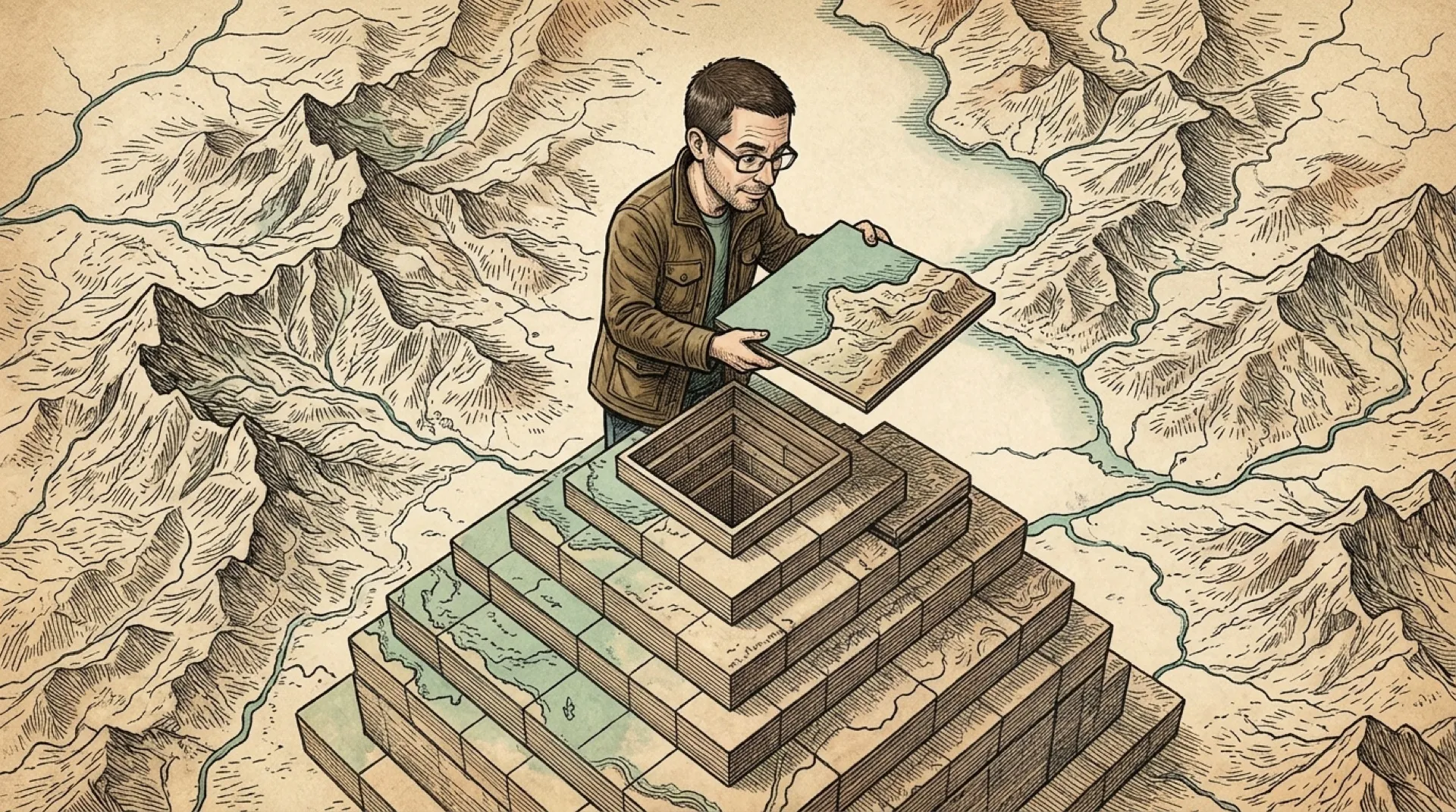
The world map can be a file. A large one, admittedly, but a file you can place in cloud storage rather than a database server that needs to stay awake for every visitor. Protomaps packages map tiles into PMTiles archives and lets the browser request the portions it needs. Earth has been reduced to another item on the upload list.
The Protomaps site calls it “just a file, no server setup required.” That refers to serving the archive from suitable static storage. It doesn’t mean a map appears without frontend code, a hosting service or network requests. The operational change is that the map data doesn’t need its own running tile database.
HTTP range requests make the archive practical. Instead of transferring the entire world whenever someone zooms into a neighborhood, the client can ask for particular byte ranges. The format organizes tiles so the relevant pieces can be found inside the larger file. An archive becomes something the browser can consult selectively.
That changes the shape of a modest mapping project. A site already using object storage can keep map data there, too, rather than introduce another service to patch and monitor. The savings depend on the archive, traffic and hosting arrangement; the homepage supplies no universal monthly price for a whole-world deployment. The invoice hasn’t been folded into the map.
PMTiles also separates the format from one particular basemap. Protomaps describes support for raster data, vector basemaps and custom layers. Its maintained world tileset draws from OpenStreetMap and other open data sources, and the command-line tools can extract a smaller region. A local project has no obligation to host every continent just because the download exists.
The frontend still decides how the map looks and what it does. Protomaps links examples for changing themes and language, displaying a map and adding overlays. An archive replaces a delivery component; other application components continues to have a job, including controls and the information that made the map worth publishing.
There is a hosted API option as well, for people who would rather avoid managing the file. That choice matters: self-hosting and using a hosted tiles API carry different operating responsibilities. A free download shouldn’t be confused with every possible use of every service being free.
For a newsroom or a long-lived public reference page, controlling the map archive could reduce dependence on an outside API continuing unchanged. Keeping a copy of the data gives future maintenance something concrete to work with. It still leaves the owner responsible for updating it when the underlying world changes.
A map that can live beside the rest of a static site is appealing precisely because it removes one moving part. Streets keep moving around the planet at their usual inconvenient pace, so the archive’s refresh plan remains on somebody’s list.
Earth needs an update policy.