
Pokémon mini at 25: a 70-gram console with cartridges, rumble and infrared
Nintendo gave a pocket-sized Pokémon machine its own game cartridges and motion controls; its launch selection fit a very small shopping list.
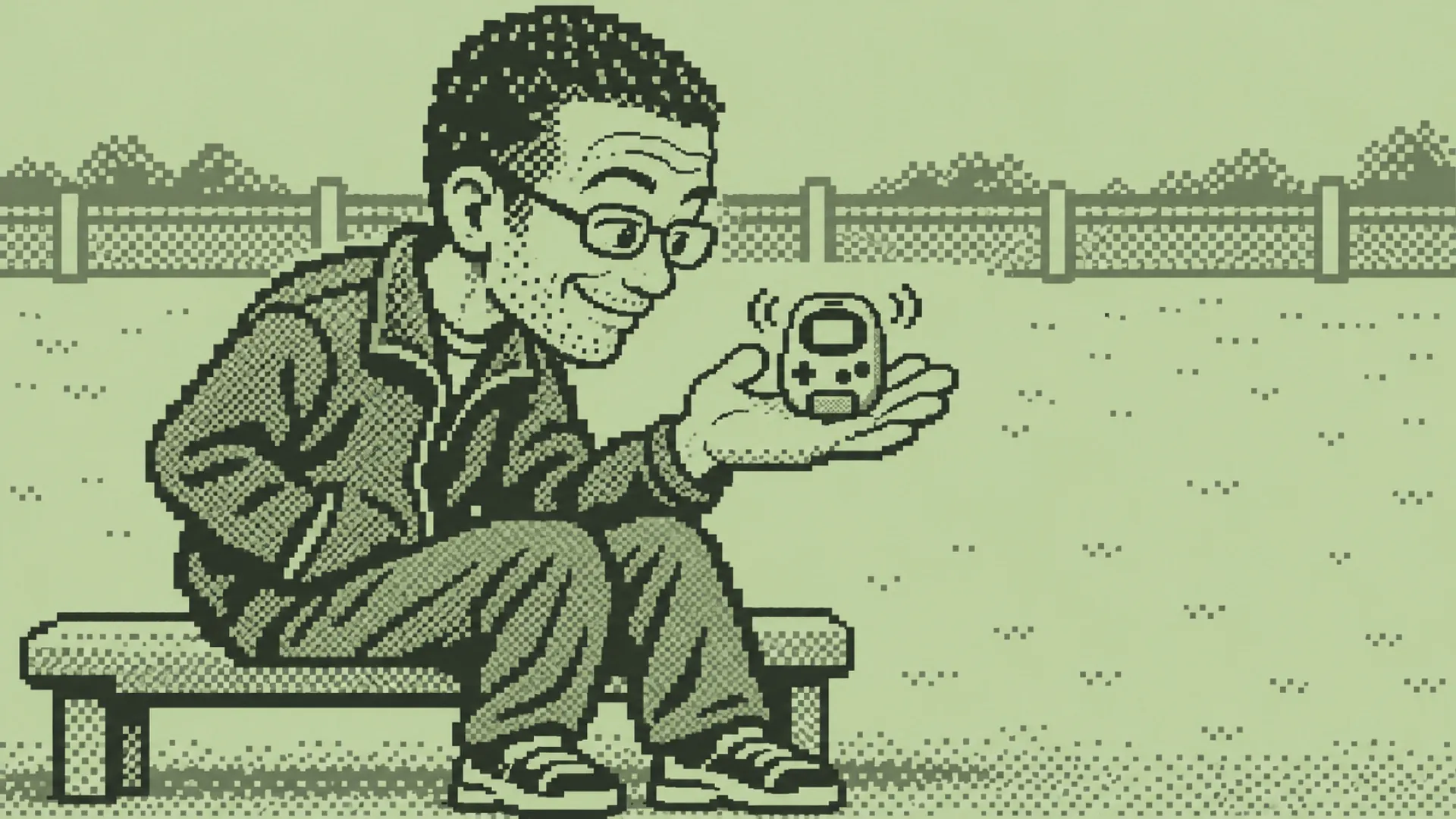
Seventy grams included the cartridge and battery. Nintendo’s Pokémon mini measured 74 × 58 × 23 mm, yet it had room to shake back at the player, detect a shake coming in, and communicate with another unit across a table. A tiny Pokémon machine had acquired a surprisingly substantial list of verbs.
The Nintendo hardware history page makes the distinction between its two movement features especially clear. Rumble created movement; a shock sensor detected it. Those little feature icons on the Game Paks mattered because the hardware being present didn’t mean every game used it. The system was a miniature toolbox, and each cartridge chose which tools to take out.
That gives the machine a better birthday story than simply being small. Twenty-five years ago, the Pokémon Center announcement advertised a November 16 grand opening in New York and listed Pokémon mini among its exclusive new products. This was a dedicated cartridge platform arriving inside a store devoted to one franchise. Even the place where you bought it belonged to the same little universe.
Three days later, the company’s online-store launch release named the included Pokémon Party Mini and three additional launch Game Paks: Pokémon Pinball, Pokémon Puzzle Collection and Pokémon Zany Cards. Four named starting points, each something you could hold and exchange. The announcement gives that launch selection a firmer foundation than a sweeping claim about every game ever released for it.
Infrared added another physical ritual. Nintendo described communication up to a metre away and supported multiplayer games for as many as six players. Those capabilities depended on the game’s multiplayer icon. A group needed the right cartridges as well as the little machines, and the distance put the activity around nearby people rather than somewhere vaguely beyond a network connection.
The clock, meanwhile, kept time when the console was switched off. That sounds mundane beside a rumble motor until you picture how many separate jobs were being assigned to this pocket object. The game could stop while the timekeeping carried on; the box had a life between button presses.
A collector searching for a Pokémon mini should distinguish the console from similarly named Pokémon merchandise and check the particular Game Pak’s features. The original list of icons is still useful for understanding what a cartridge was designed to do. A photograph of a shell says much less about the experience than the matching game and working controls would.
The interesting modern experiment would be to hand someone the machine and one cartridge before showing them a specifications page. Does that compact collection of inputs make the game understandable by touch? The answer would say more about this design than another contest over how many titles fit on a device.