
GamingWiiWii SportsNintendoanniversary
Nintendo's Wii turns 20 on November 19: $249.99 with Wii Sports in the box, against a $599 PlayStation 3
Nintendo set the price in September 2006 and planned four million consoles for a launch across every region at once, which is how a motion controller beat a $349 price gap.
The price came first. On September 14, 2006, Nintendo said the Wii would cost $249.99 and arrive in the United States on November 19. Earlier that year, Sony had priced the PlayStation 3 at $499 and $599, and Microsoft’s Xbox 360 sat at $399. The Wii was $349.01 cheaper than the top PS3 and $149.01 under the Xbox, before anyone had swung a controller.
The box held more than a console. GamesFirst’s report of the announcement lists one white Wii, one Wii Remote, one Nunchuk, cords, one sensor bar and a copy of Wii Sports. A buyer could take it home and play. Extra Wii Remotes cost $39.99 and a Nunchuk $19.99, and first-party games ran $49.99.
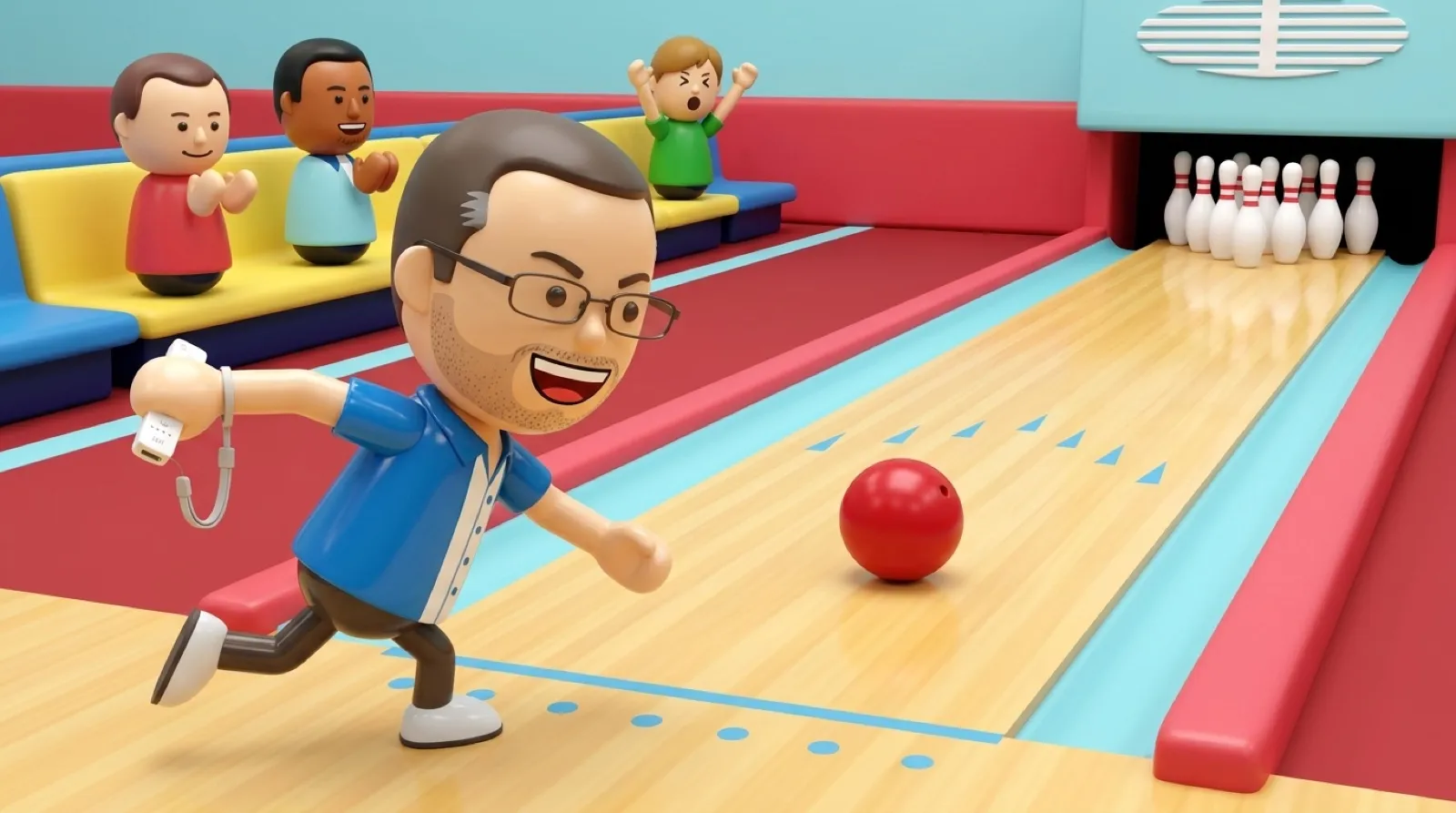
The game in the box was the pitch. Wii Sports is five sports: tennis, baseball, bowling, golf and boxing. You played them by swinging the controller, which meant a grandparent and a teenager could start at the same level. The Wii’s whole bet was that the thing you did with your arm mattered more than the number of pixels on the screen.
Nintendo planned the supply to match. GamesFirst says the company intended a simultaneous worldwide launch with four million units available between launch and December 31. It set that against Sony’s staggered rollout of 500,000 PS3 units. The Virtual Console, the Wii’s store for old games, was priced low too: NES titles at $5, Super NES at $8 and N64 at $10, with about 30 titles expected in the first month and 10 new ones each month after that.
Day one also had a Zelda in it. The Legend of Zelda: Twilight Princess launched on the Wii on November 19, and the GameCube version followed on December 11, which let Nintendo’s biggest series carry the new controller.
Here is how the three November 2006 consoles stacked up on the shelf.
| Console | U.S. launch price | What came in the box |
|---|---|---|
| Nintendo Wii | $249.99 | Wii Remote, Nunchuk, sensor bar, cords, Wii Sports |
| Xbox 360 | $399 | See our PS3 report for the 2006 comparison |
| PlayStation 3 (60GB) | $599 | Blu-ray drive built in |
Twenty years later the Wii’s own tally is lopsided. Nintendo reports 101.63 million Wii consoles and 921.85 million Wii games sold worldwide, life to date, as of September 30, 2026. Wikipedia, citing Nintendo’s investor data, puts Wii Sports at 82.90 million copies as of March 2021, and notes that the figure includes the copies bundled with consoles. So most buyers got the game without choosing it.
That is the Wii’s real accounting trick. A bundled game is a number that counts everyone who bought the box, so it is not a measure of demand for the game. It doesn’t make Wii Sports less popular. It says the box did the selling.
The Wii also gave the industry a template that Nintendo has kept using: build for the person who doesn’t own a console yet, and give them something to play on day one. Expect the anniversary coverage to reach for the 101.63 million number, because it is the biggest one available.
The matching question is what a 20-year-old motion console means to a new generation that has never held a Wii Remote. Nintendo’s investor page still lists the Wii alongside its current systems, which says the company hasn’t forgotten.
Six hundred dollars bought a Blu-ray player. Two-fifty bought a bowling alley.