
World Strike lets toy tanks knock down real city maps, with rubble shared by everyone
OpenStreetMap supplies the streets and buildings for a multiplayer browser playground with an unusually recognizable battlefield.
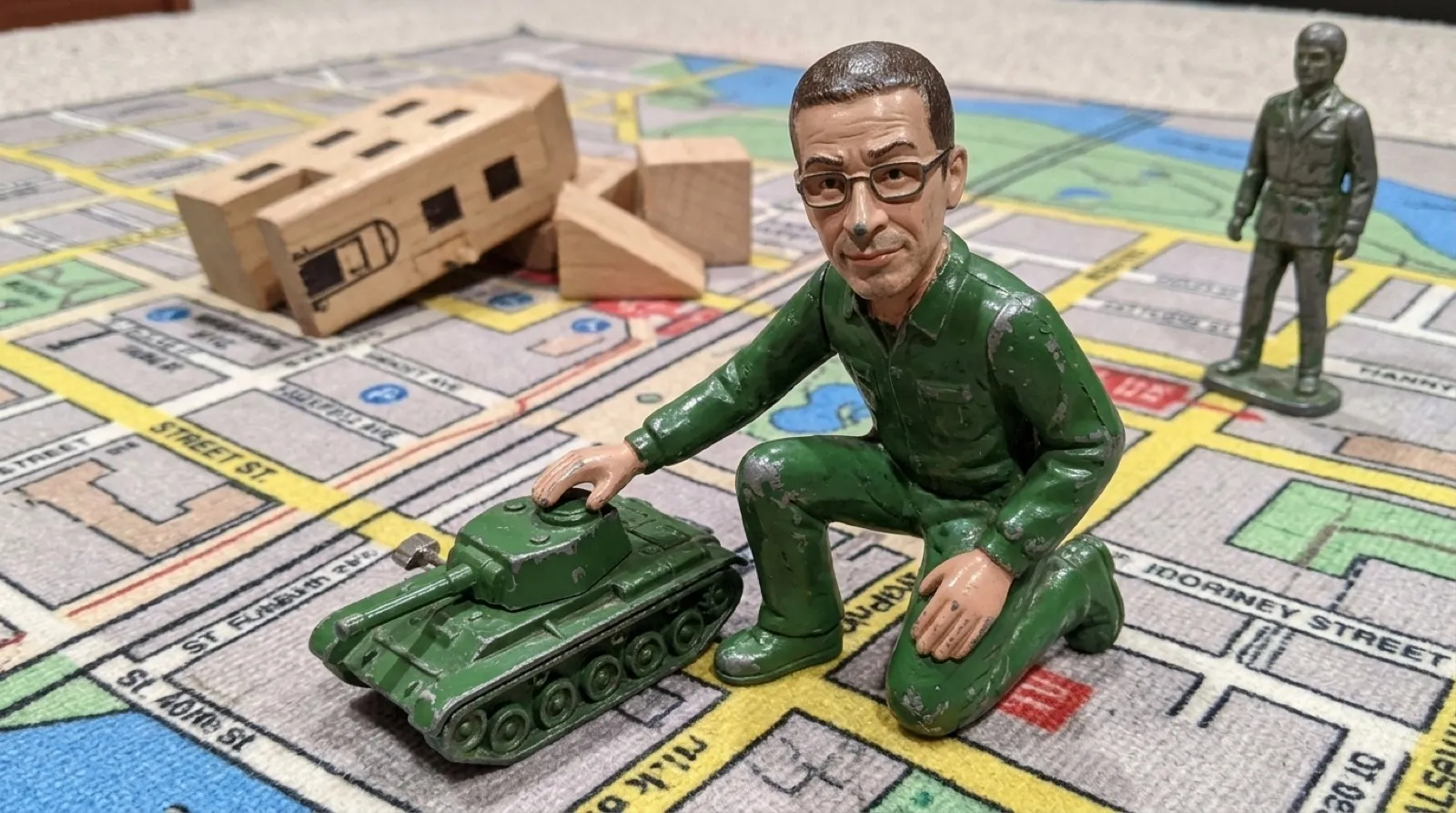
The city picker in World Strike has a rather different purpose from the one in your weather app. Pick a town, find a road, and deploy a toy tank. Finding parking has apparently escalated into aiming a cannon at the familiar streets you just selected from the map.
The game’s own landing page supplies the pitch: “The world is your sandbox.” It credits OpenStreetMap for its streets and buildings, with GeoNames handling the city search. The familiar blocks become a very literal block list, giving an ordinary intersection considerably more personality than another anonymous box of corridors.
The shared damage is the part that changes the game. World Strike says demolished buildings remain down for everyone. One person’s little demolition project becomes somebody else’s surroundings. There’s an immediate reason to wonder what happened before you arrived, especially if the neighborhood you expected has already been enthusiastically remodeled.
That promise comes from the game’s own page; it doesn’t establish how long a demolished building remains gone or what happens after a server reset. “Stay down” leaves some fairly important maintenance questions open (as buildings tend to). The advertised shared world leaves room for a fairly large difference between damage that survives the next visitor and damage that survives next month.
The controls keep the toy premise simple. WASD drives, the mouse aims, and clicking fires. The page also presents touch controls, including aiming by tapping a street and holding Fire. It offers deployment near other players, near your location, or in a city you pick yourself. The map picker also lets you choose a location directly, so getting to a familiar stretch of road starts with finding it on the map.
Players can tag rubble with an emoji, too. The interface describes choosing one and clicking the wreckage where it belongs. Multiplayer competition leaves a souvenir, because apparently reducing a building to blocks wasn’t enough of a signature. The leaderboard separates weekly, all-time, and city views, giving the destruction a local scorekeeping angle.
OpenStreetMap’s copyright page explains the underlying data’s attribution and license requirements. Those contributors supplied the map foundation; World Strike supplies the cartoon mayhem. The distinction matters if you’re tempted to read the wreckage as anything happening in the actual place. These are game-state changes on a toy map.
A persistent neighborhood could make an otherwise disposable browser session worth revisiting. The attraction would depend on what survives between visits: the cleared block, another player’s mark, the route that suddenly looks different. Those are small details a handcrafted arena would have to invent. A real street map hands the game a starting point people may already care about.
The unanswered detail is how that world gets put back together after enough players have had their turn with the cannon. Enough demolished buildings would eventually leave a town-sized playground with very little left for a newcomer to knock down.
Your hometown, temporarily demolished.