
Xbox and GameCube Landed Three Days Apart With Opposite Pitches for the Living Room
Tiny discs, a prominent main button and a $75 million campaign gave Nintendo a distinctive answer to Microsoft's entrance into console gaming.
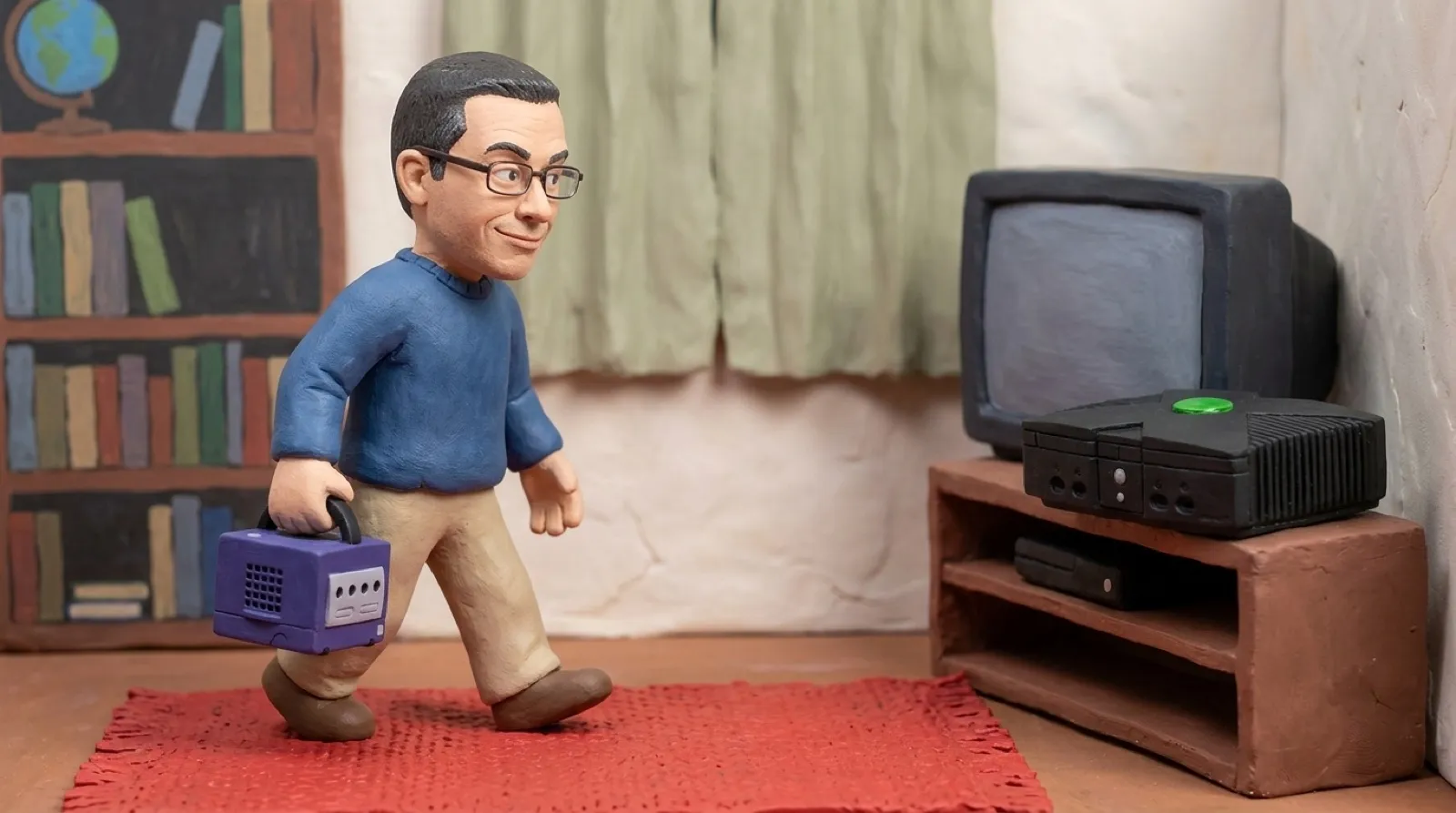
Microsoft put the original Xbox on North American shelves on a Thursday. Nintendo put GameCube there on Sunday. If you were choosing a new console that week in November 2001, the industry gave your wallet a three-day recovery period between two launches asking for the same holiday money.
The Xbox launch announcement is dated November 15 and lists a $299 estimated retail price. Bill Gates put the machine inside Microsoft’s ambitions for home entertainment. You can practically hear the living-room furniture being asked to make space for the company’s next strategic initiative.
Nintendo’s September launch campaign release, preserved in full by Nintendo World Report, put its launch on November 18. Nintendo executive Peter Main described GameCube as built “to play games.” The company had a $75 million launch campaign behind that focused pitch. Keeping the message simple apparently still required a sizable megaphone.
I’d read those statements together before getting lost in a processor chart. Microsoft was explaining where Xbox fit in a broader entertainment plan. Nintendo was explaining why its machine’s narrower purpose deserved the space beside your television. Both wanted space beside the television, while asking buyers to imagine different uses for that space.
Nintendo’s hardware history makes the design argument unusually tangible. The game disc measures three inches across and holds 1.5 gigabytes, according to Nintendo. The controller gives its main button a prominent size. Game Boy Advance connectivity could add another input device or exchange data in supported games.
The disc is the detail I keep coming back to. You can describe capacity with a number, but the object also tells you something immediately when you hold it. The tiny disc belongs to this machine. You can have full-size opinions about miniature media, but its charm and limits deserve a closer look than a list of clock rates can provide.
I wouldn’t declare either controller’s layout wrong on behalf of everybody who held it. A person’s hands, favorite game and tolerance for relearning buttons are rather more relevant than a sweeping verdict issued twenty-five years later. I’d rather ask what each layout made easy and what required practice when you moved between games designed around different button arrangements.
My money says these launches remain interesting because the products had a point of view you could recognize before switching them on. A modern specification comparison can bury that question under a great many numbers. I’d still start with what I want the box to do, then check the games and accessories that make that possible.
Three days separated two very different sales pitches. The shelf was already crowded.