
ELIZA Rearranged Its Users' Words, and Some Still Needed Convincing It Was a Machine
Joseph Weizenbaum separated conversational performance from judgment in a paper whose warning still deserves a place beside every friendly chat box.
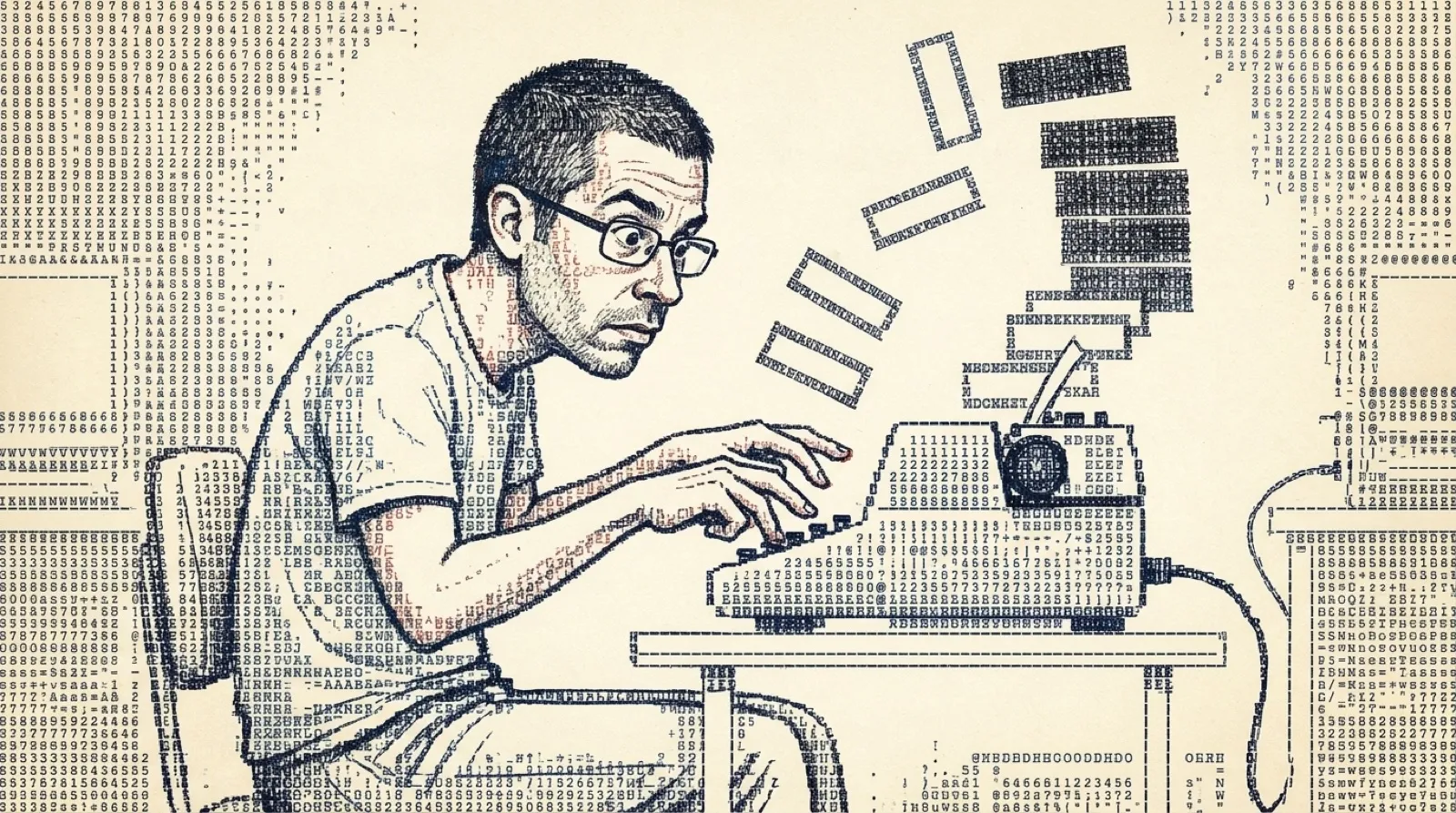
Joseph Weizenbaum gave a computer a way to turn a person’s own words back into conversation. The person supplied the subject matter. ELIZA supplied enough structure to keep them typing. Talk about customer self-service.
The original paper, published in January 1966, lays out keyword searches, rules for dividing sentences and rules for assembling responses. A conversation could feel personal because the material coming back had just come from the person at the keyboard. That is a very economical way to sound interested (no small talk required).
Weizenbaum reported that some subjects had been “very hard to convince” that ELIZA was a machine. He also distinguished keeping a conversation going from drawing valid conclusions from what someone said. I’d put that distinction above the chat box, where the Terms button usually goes to hide.
A reply that fits the mood encourages us to supply everything the software hasn’t demonstrated. We hear patience in the pause, concern in the question, competence in the tidy sentence. I’d want evidence for each of those assumptions before letting a personable interface make a consequential decision for me. Being good company shouldn’t waive the entrance exam.
The program’s own history adds a second problem: even the software that supposedly explains the trick became harder to pin down. The team behind ELIZA Reanimated describes finding source in Weizenbaum’s MIT papers in 2021, then restoring its old operating environment. The recovered version differed from features described in the famous paper. An archive can preserve a program without preserving a neatly labeled release.
That matters if you’re about to type a short ELIZA imitation into a browser and call it the original. A family resemblance doesn’t establish which instructions ran on the historical computer. I’d want the version and the script identified, especially when a demo is being used to explain what a person supposedly experienced sixty years ago.
ELIZAGEN, maintained by the researchers, separates the original program from its descendants. That’s a useful rabbit hole for a class or a curious afternoon. I would keep the actual output beside the rules that produced it; the moment a seemingly thoughtful answer reduces to a substitution is much more instructive than another slide with a robot head.
My money says friendlier software will keep making this distinction harder to notice. An interface that makes people comfortable can be useful. The trouble starts when that comfort becomes the evidence offered for trusting its judgment. I can enjoy the conversation and still ask the program to show its work.
The recovered code still has versions to untangle. Even ELIZA needs a second opinion.