
Evercade Nexus lets two handhelds share one cartridge without a Wi-Fi network
Blaze pairs its cartridge library with dual sticks and a larger display, but buying into the new local-play arrangement still means budgeting for two handhelds.
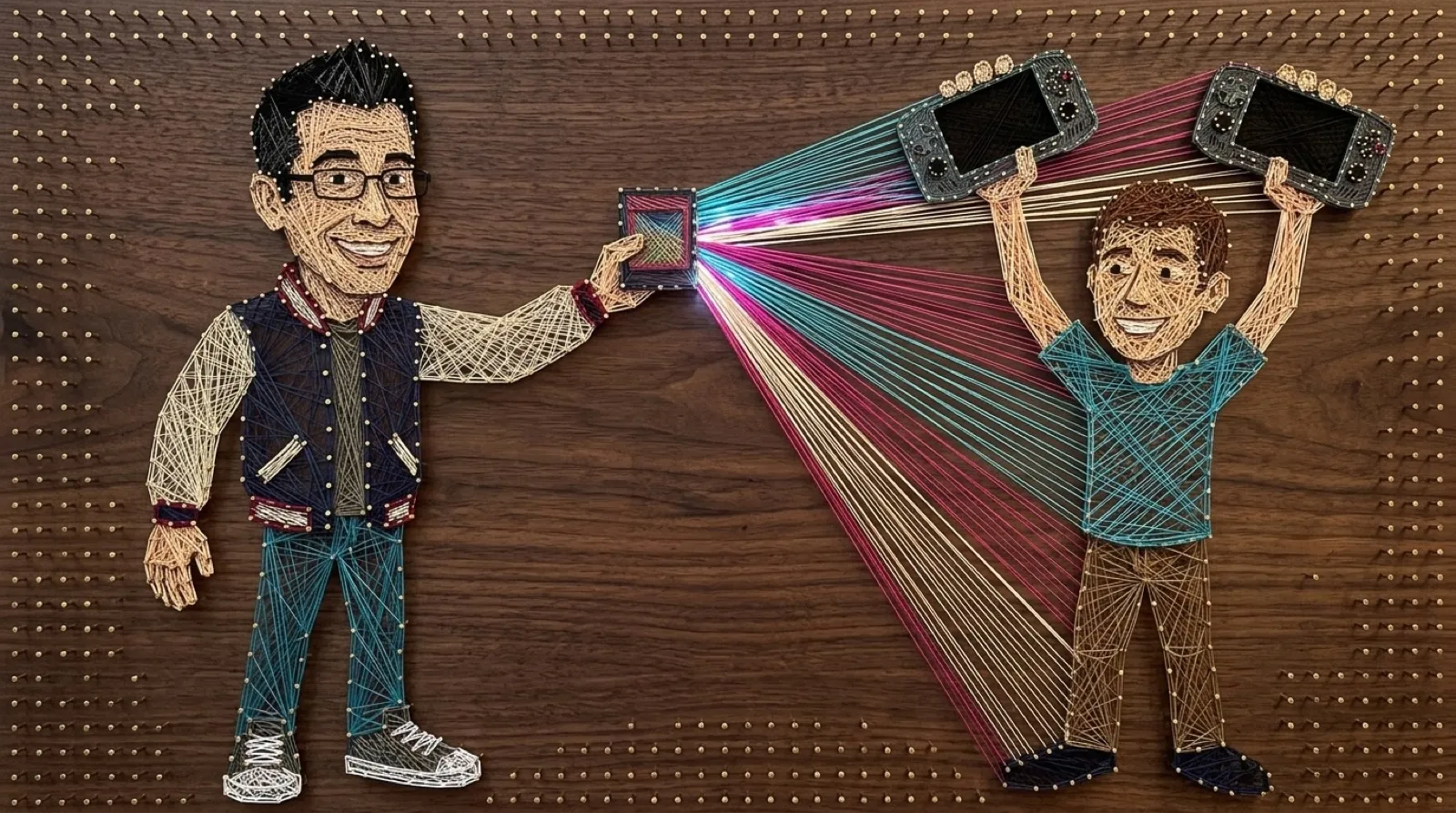
Blaze’s original Nexus announcement describes a wireless connection directly between the handhelds. There is no home router in the middle to configure, and each person gets a display. The company calls it EverSync, putting a useful party trick in a machine whose defining feature is still the cartridge slot.
Blaze’s October 30 announcement, labeled as a supplied press release by Inven Global, says “Only one cartridge is needed.” This is the maker’s description, rather than an independent connection test. A second Nexus remains required.
Blaze describes temporary local play; its announcement does not promise a permanent second copy to keep after the session.
The hardware costs $199.99 in the US, so two new systems put the starting bill at $399.98 before tax. That is simple arithmetic from Blaze’s price, and worth doing before the words “one cartridge” make the whole arrangement sound free. Someone who already owns a Nexus is deciding whether a friend needs another game; someone starting from scratch is shopping for two consoles.
Nexus also brings dual analog sticks and a 5.89-inch IPS display to the range. The bundled Banjo-Kazooie Double Pack contains Banjo-Kazooie and Banjo-Tooie, with widescreen and twin-stick camera support among the changes Blaze lists. That bundle explains the controls, but it should not be mistaken for a demonstration of two-player sharing. The game you actually want to play together still needs suitable multiplayer support.
Nintendo’s GameShare makes a useful comparison. A Switch 2 can share supported games locally with another Switch 2 or an original Switch. Only Switch 2 can host. EverSync, as announced, asks both sides to bring Nexus hardware. Borrowing access to a game and borrowing access to a platform have very different household costs, rather like being invited over for dinner and discovering you need to buy the same dining table first.
GamesRadar’s Phil Hayton identified that adoption problem in his review: the feature becomes useful when enough other people buy the handheld. His hands-on also found practical limitations beyond multiplayer: there is no HDMI output or sleep mode. Those matter if the plan was to buy one machine that could double as a TV console or suspend instantly between short sessions. A feature checklist can conceal the habit you use twenty times a day.
EverSync could make a cartridge collection easier to share within a family that already owns compatible handhelds. The harder test is whether that convenience justifies the second hardware purchase for people who currently have one. Direct sharing puts a useful burden on the next hands-on test: show how joining, disconnecting and rejoining work when the second player turns up with only the handheld.