
Infrastructureai-agentssecuritymacosvirtual-machines
Koala runs each AI agent in its own Linux VM on a Mac, and the API key never goes inside
Kunal Kushwaha's Koala gives every agent its own ARM64 kernel, disk and network on Apple silicon, keeps its API keys in the Mac's login keychain, and lets a broker add them only to requests a policy allows.
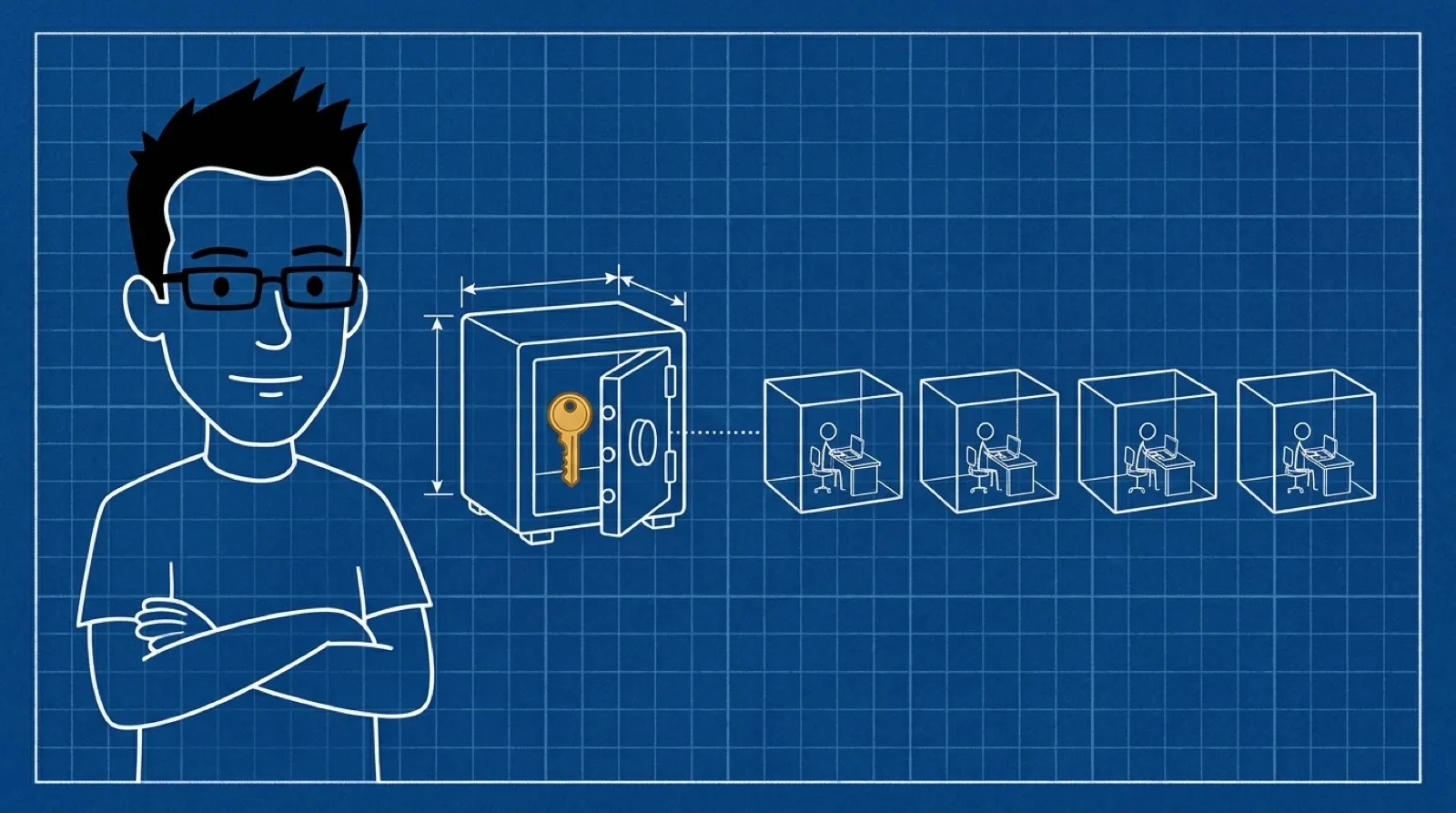
Kunal Kushwaha (@kunalkushwaha, per his GitHub profile) posted the first Koala preview on October 7. Seventeen days and thirteen releases later, the Mac build sits at 0.1.0-preview.11, and a Linux build went up this morning.
The pitch fits in one line from the project page: “No host files, no secrets, no LAN, no other VMs, until you grant them.” A new VM starts with nothing. You hand it a folder, a network, or a key one at a time.
The key is the clever part. You write a policy, say an OpenAI template pinned to one model, then create a VM with the internet off and the broker on. Inside, the agent gets a base URL to talk to. The real key lives on the Mac side. “The broker adds a key only to the requests a policy allows, so it never enters the VM,” the page says.
There’s no root daemon, either. A per-user launchd manager keeps track of your VMs, which also means they stop when you log out or restart.
The release notes are refreshingly blunt about what’s missing. Preview.11 lists hostile-root testing, the secret-free broker and crash testing as done, and endurance, storage and memory pressure, and density checks as not done yet. The project page says it plainly: “Koala’s security work is not complete, so use it with workloads and on machines you trust.”
That leaves the obvious question hanging. The tool built so you don’t have to trust the agent still asks you to trust the tool, at least until those last checks land.
Expect “the agent never holds the credential” to become the default, the way nobody ships a web app with the database password in the browser anymore. The broker pattern is cheap to copy, and every agent framework that still passes keys through environment variables is one leaked token away from adopting it.
The bigger shift is where the sandbox lives. Koala runs on the laptop, under your own login, with no root daemon. If that holds up through the endurance and density tests, running ten agents locally in ten disposable VMs stops being an infrastructure project and becomes a Homebrew install. The Linux previews wrap every helper in Landlock, seccomp and namespaces, so the next thing to watch is whether the Mac build catches up and drops the “preview” label.