
An archived LEGO classroom CD-ROM pairs plastic gearboxes with real factory videos
An uploaded disc image preserves the software and factory videos that accompanied an educational LEGO kit.
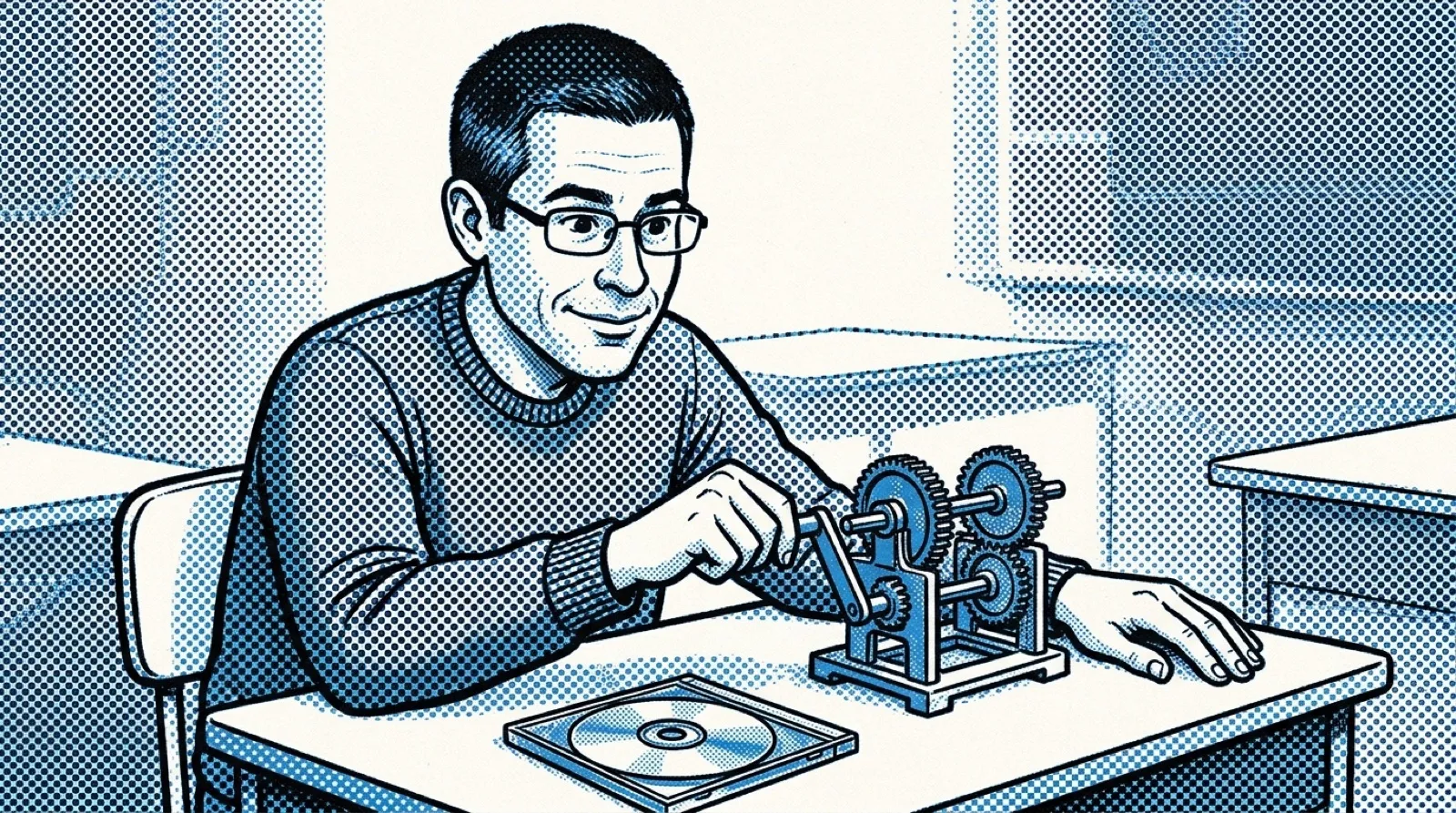
A box of LEGO can outlast the computer software that explained what the model represented. This archive preserves the other half of an educational kit: the disc that connected small mechanisms on a desk to machinery doing work in the real world. The bricks had a multimedia attachment.
The Internet Archive item, uploaded by ipad54 on November 10, is labeled LEGO Dacta 9665 Mechanical Engineering CD-ROM. Its description identifies ISO and BIN/CUE images, alongside a Windows executable named 9665.exe. Those details distinguish a disc-preservation effort from a folder containing only a few recovered video clips.
The uploader describes educational videos about manufacturing and industrial processes, intended to complement models built with the curriculum. That gives the footage a specific job. A child could build a mechanism, then see why a related movement mattered somewhere beyond the classroom. The software supplied context for pieces that could otherwise remain an enjoyable arrangement of gears.
The same page links separate YouTube uploads of six videos and the launch introduction. That is useful for someone who wants to inspect the surviving material without first rebuilding an old software environment. It also preserves a route around the original shell when the shell becomes the part that is hardest to run.
The archive itself has no browser preview for this item. Downloading a disc image and successfully running its software are separate steps, and this review did not install or execute it. A file listing establishes that material has been uploaded; it cannot establish compatibility with a current Windows installation or completeness of every original interaction.
Dates need similar care. The listing supplies a publication-date field, while its descriptive text places the set around the early 2000s. Those are not enough to pin down an exact original release day. For this story, the verifiable new event is the upload, and the useful historical object is the preserved educational disc.
This is where software preservation becomes more than saving the most famous games. A curriculum can depend on supporting material that people stop noticing once the hardware changes. The construction kit still looks complete on a shelf, even when a missing disc has quietly removed the explanation that made its exercises fit together.
The separate video copies and full disc images serve different readers. One lets somebody watch the manufacturing demonstrations now; the other gives future preservation work a closer representation of the original package. Keeping both available is sensible. A recovered video is valuable, and the menu that once led a student to it is part of the history too.
Please keep the instructions with the bricks.