
Microsoft says its Mouse spent four weeks in Canadian agricultural quarantine
A short corporate-history entry records a peripheral's strange detention without explaining how it was classified.
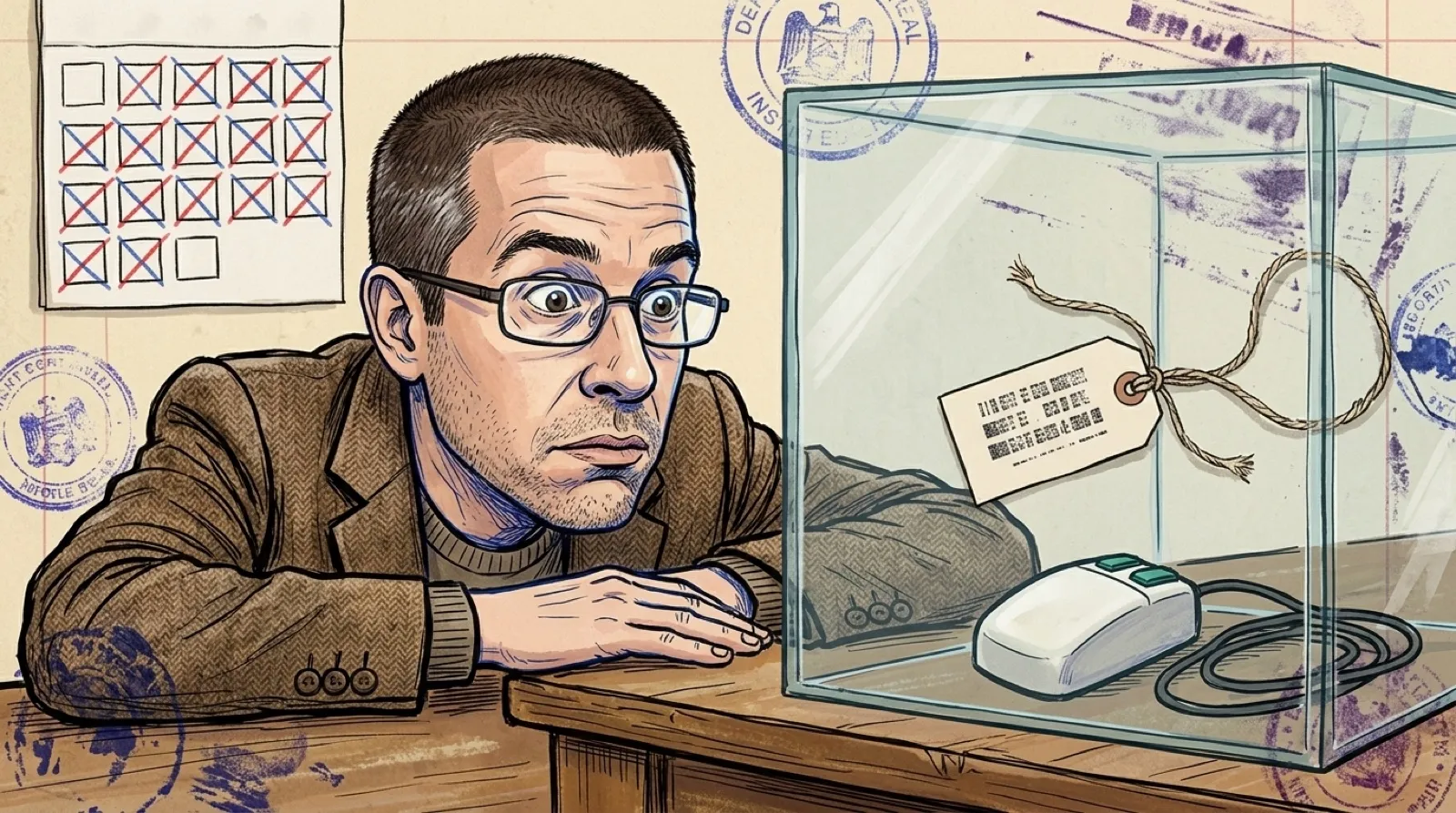
A Microsoft Mouse spent four weeks in quarantine, according to Microsoft. For once, the computer accessory had a better excuse for being unresponsive than a dirty desk.
The company’s historical timeline places the entry under May 3, 1985. It names Rich MacIntosh, then general manager of Microsoft Canada, as the person called to collect the peripheral from the Canadian Department of Agriculture. The four-week detention is the punchline the record actually supplies.
Microsoft labels the entry “Mouse Quarantined in Canada.” It does not identify the official who classified it, quote a customs form, or describe the decision that sent it there. It’s tempting to fill in a bewildered inspector imagining a live rodent. That would make a great cartoon, and it would add a scene the source never documents.
The company’s 20-year hardware retrospective gives the product some context. Its first mouse reached stores in 1983, and the hardware division had formed to make Multi-Tool Word easier to use. This was a physical accessory helping people use software, which makes its appearance in agricultural quarantine particularly hard to put on a product roadmap.
The retrospective calls the early device “green-eyed,” a reference to its appearance. That’s already a lot of animal language for a box whose main ambition was to move a cursor. Marketing could give it a personality; international shipping still needed it treated as the right kind of object.
There is a useful distinction between enjoying this anecdote and treating it as a proven explanation of how an import system failed. We have the product, the duration, the department and the person collecting it. We don’t have the original paperwork. Anyone using this as a case study in automated classification would be adding a mechanism the record doesn’t establish.
That limit doesn’t drain the fun out of it. A company selling a way to move around documents ended up recording a remarkably odd delay in getting one of its own products back. The official history thought the incident deserved a place beside the year’s product and business milestones (fair enough).
For somebody naming the next piece of hardware, the sensible takeaway is modest. A clever name can travel farther than its explanation, and the physical object still has to cross processes run by people outside the product team. Clear descriptions are useful precisely where a name stops being obvious.
A fuller account could eventually supply the missing paperwork or a firsthand recollection of the collection. Until then, the little timeline entry leaves the Mouse released and the explanation still detained.
At least it wasn’t a bug.