
PlayStation 3 vs. PlayStation 4: 512MB split memory became 8GB shared memory, but PS3 discs stayed behind
A much larger memory budget changed development constraints without making the next console read the previous generation’s games.
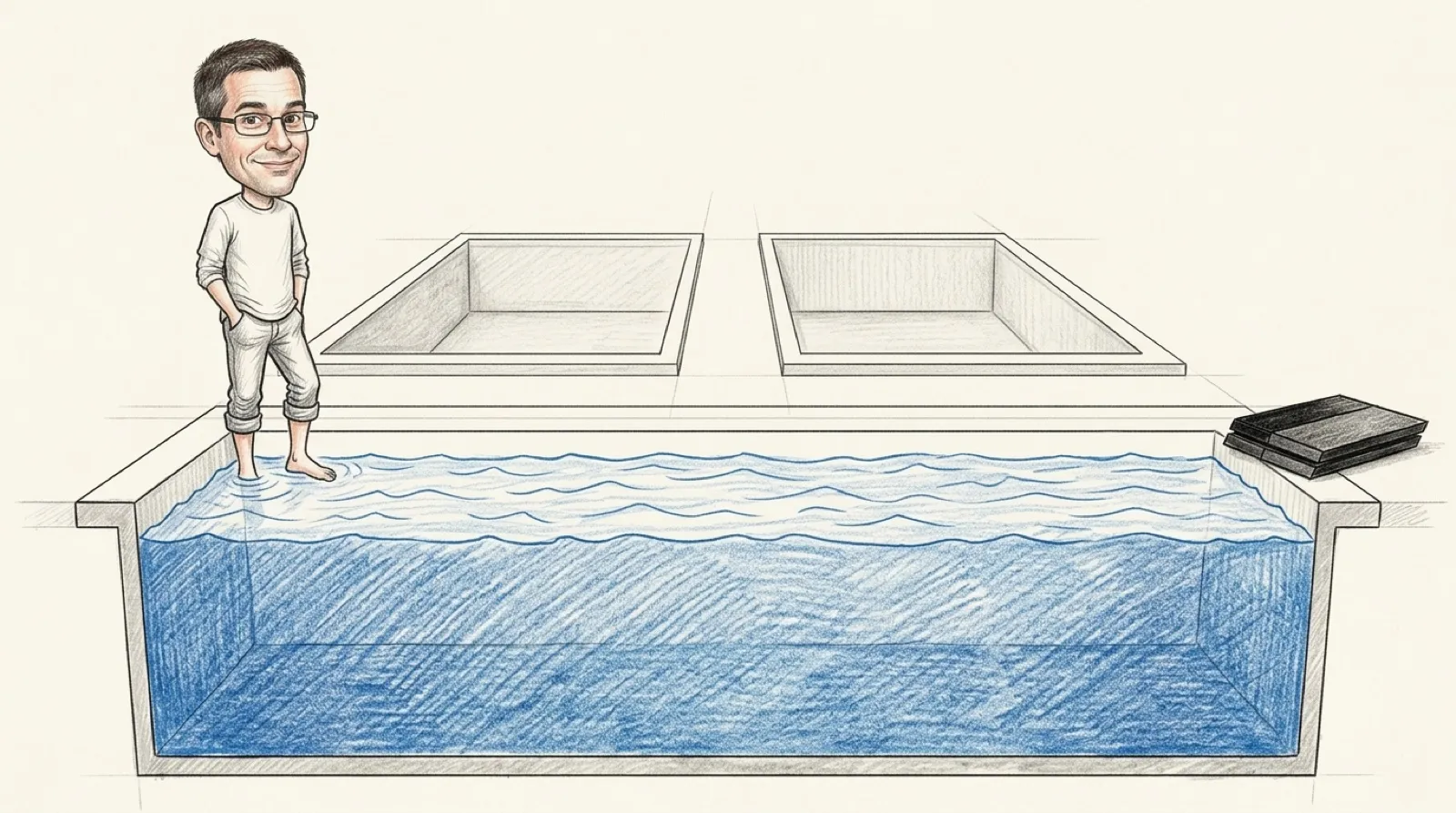
Adding the PS3’s memory numbers together is easy. Treating them as one freely shared pool is where the explanation breaks. The PS4’s larger unified memory changed both the amount available and how developers could budget it, while leaving a separate question unanswered: what happens to the games already on your shelf.
Sony’s PS3 specifications list 256 MB of XDR main memory and 256 MB of GDDR3 video memory. Those belong to different jobs. A total of 512 MB describes their combined capacity, but it should not imply that every byte was equally available to either processor for any purpose.
The PS4 announcement describes 8 GB of unified GDDR5 memory and an x86-based system. The larger shared pool gives a different starting point for dividing resources between work. It remains a finite budget, with system requirements as well as a game’s demands competing for it.
| Question | PS3 | PS4 |
|---|---|---|
| Published main memory | 256 MB XDR | Part of the unified 8 GB |
| Published graphics memory | Separate 256 MB GDDR3 | Shares the unified GDDR5 pool |
| Memory arrangement | Split pools | Unified pool |
| PS3 game discs | Native console library | Unsupported |
On nominal capacity, 8 GB is sixteen times the PS3’s combined 512 MB. Comparing it only with the 256 MB main-memory pool produces a different ratio and answers a different question. Neither ratio says a game runs sixteen times faster. Capacity, bandwidth, processor design and software behavior cannot be compressed into one useful speed multiplier.
The storage question is different again. A hard drive holding game installations does not add working RAM just because its capacity is measured with the same familiar units. The memory comparison concerns what the running system can work with, rather than how many downloaded games remain installed between sessions.
Sony’s PS4 launch FAQ explicitly says PS3 games are unsupported on PS4. More memory does not translate the instructions and hardware assumptions of another architecture. Keeping a PS3 disc therefore does not establish that inserting it into a PS4 will make its contents playable.
For somebody choosing a used PlayStation 3 or PlayStation 4, start with the actual games you intend to use. Then compare the platform’s constraints. The bigger memory number explains an important engineering change; the disc-support line decides whether the evening begins with the game you already own.
Check the disc before the multiplier.