
A free Proxmox tool lets an AI agent patch your VMs and containers without giving it a shell
Pool membership, tags and snapshot requirements constrain an early homelab tool before an agent gets to request an update.
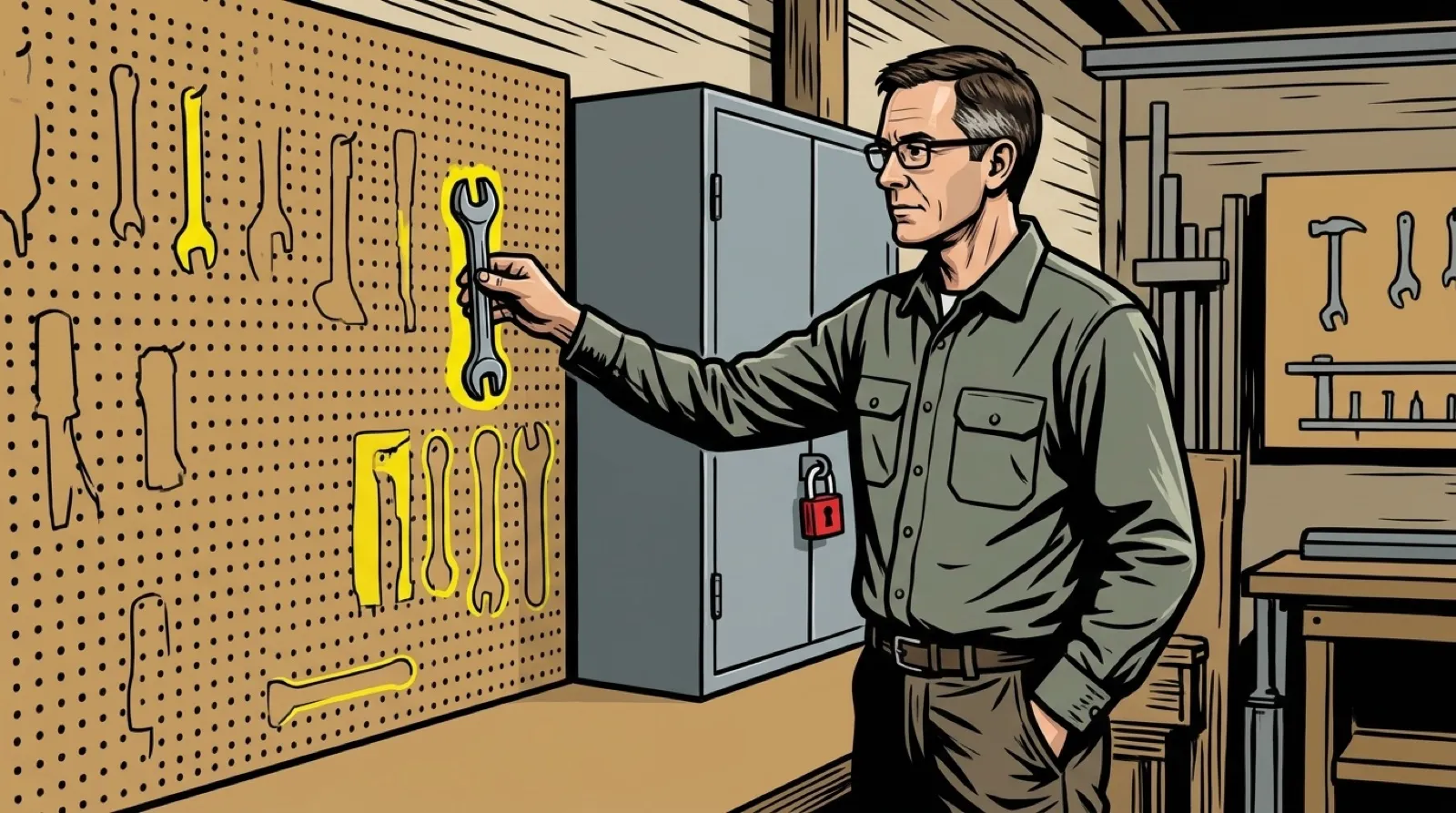
Giving an agent a root shell and asking it to be careful makes careful do an awful lot of work. pvewarden puts the permitted operations in a server instead. The agent can request maintenance, while the server and Proxmox decide which guests and actions are actually available.
The project’s README calls this “Agent-safe patching,” but its concrete controls are more useful than the label. Guests must be in a designated pool. Separate tags permit updates and reboots. The agent cannot create permission for itself by including an especially confident sentence in its request (nice try, robot).
On a guest, an SSH key is tied to a forced command that accepts a small vocabulary of operations. That removes the ordinary route from a maintenance request to an arbitrary shell session. Each guest has a separate key, and the Proxmox token is limited to the pool rather than handed broad authority over the host.
The update path also begins with a snapshot. The documentation says that if taking it fails, installation does not proceed. Storage support therefore becomes a requirement, rather than a backup checkbox somebody can discover is decorative after the update breaks. The listed guest systems are Debian and Ubuntu, with compatible snapshot-capable storage underneath them.
There are escape hatches, but they need a person. Rollback, deleting a snapshot and updating without one require confirmation through an MCP elicitation dialog. The README says clients without that confirmation capability refuse the actions. Asking a human is only useful when the requesting agent cannot quietly supply the human’s answer.
Repository boundaries matter too. The tool installs from official distribution archives and reports third-party repositories and held packages rather than updating everything it finds. That narrows what the maintenance request means. A server full of extra package sources does not become a single uniform patching target because an agent can summarize it in one message.
This is early software, described as version 0.1.x and in daily use by its author. The listed tests cover Proxmox VE 9 and particular Debian and Ubuntu guests. Those details establish the starting evidence; they do not amount to a guarantee for every combination of storage, guest services and local policy a reader might have.
The practical appeal is a smaller permission to evaluate. An operator can inspect a list of fixed maintenance verbs, tags and confirmation rules before deciding whether a guest belongs in the pool. If this approach spreads, the interesting progress will be in how precisely tools describe the work they allow. The agent can be enthusiastic about patching without receiving the rest of the keys.
Root stays out of the chat.