
Sony Put the Walkman's Launch Presentation on the Walkmans It Handed Reporters
A 1979 park demonstration made portable listening visible, then ran into an audience that still wasn't convinced.
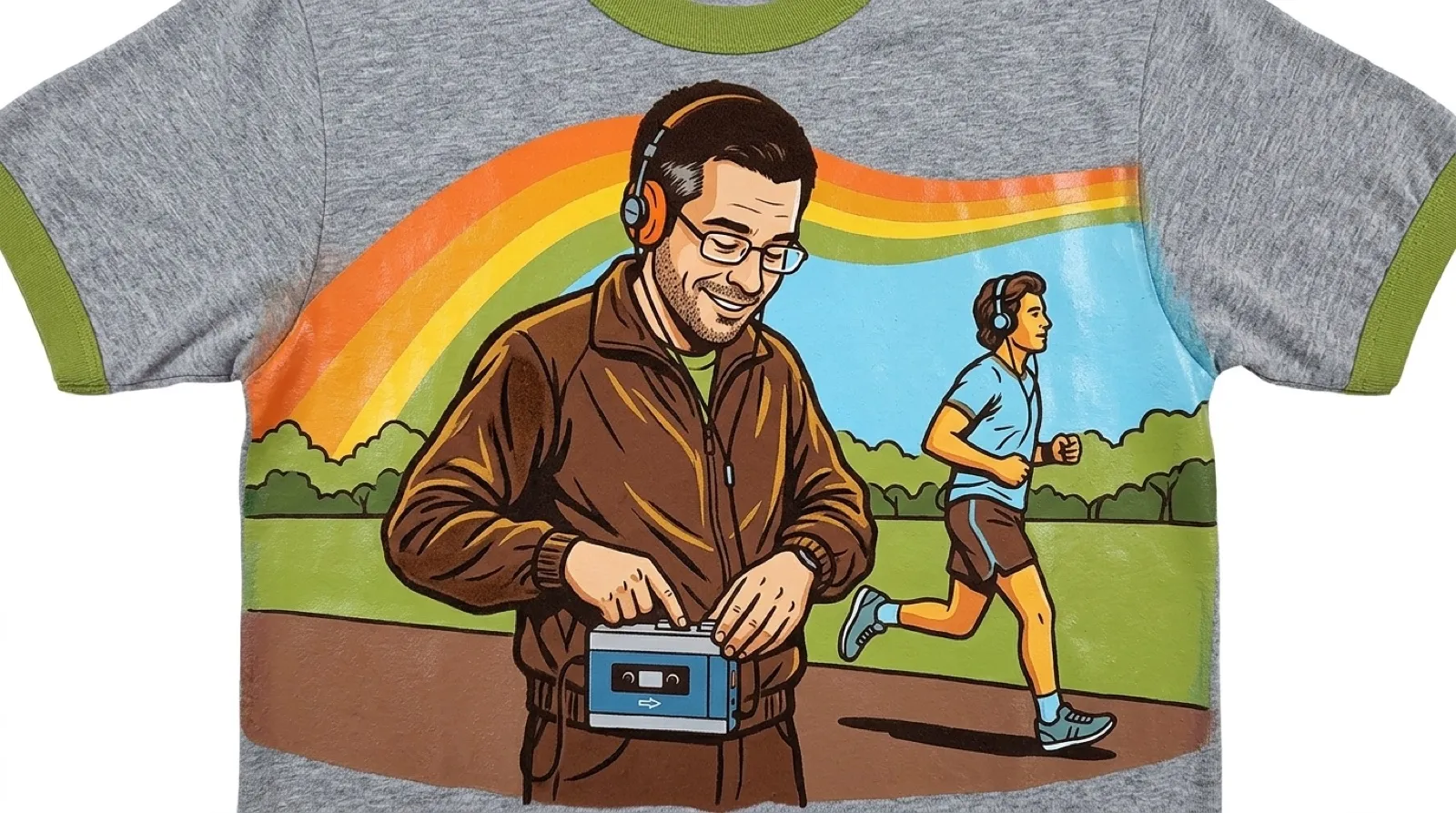
Sony handed reporters the presentation and the thing presenting it. On June 22, 1979, the company’s Walkman launch took journalists to a park and put the explanation in their headphones. No need to tell a seated audience how wonderful mobility could be. The audience had already been mobilized (bus service included).
The scene comes from Sony’s own corporate history, which is also the source for the launch account here. It describes reporters traveling from Ginza to Yoyogi Park, where staff and students demonstrated listening while moving around. The demonstration let them see and hear the idea at the same time, without requiring a technical lecture about the circuitry inside the box.
A Sony Walkman TPS-L2 is familiar enough now that its job barely needs describing. The historical trick is putting that familiarity aside. A product can be technically understandable while the behavior it asks of its owner still looks peculiar. Wearing headphones outside, choosing what to hear while walking through a city, and keeping that soundtrack to yourself all become part of the product’s explanation.
A launch demo often tries to make the product disappear behind a spectacle. This one made the product the delivery mechanism. Someone listening could move their head, look at the runners and hear the narration without being pinned to a speaker at the front of a room. That is a useful distinction for anyone showing off a tool: the demo can reproduce the ordinary experience you want a customer to have.
Sony’s account calls the press response “mild at best.” That is a fairly deflating result to find inside the company’s own victory lap, and it keeps the story from turning into a marketing fairy tale. A well-chosen demonstration gives someone a chance to understand the product; it cannot oblige them to care. Even a cassette has two sides.
The discouraging response also changes how the park scene reads. With hindsight, the headphones and runners look inevitable. At the time, Sony was trying to make an unfamiliar habit look reasonable. The difference matters whenever a product presentation is described as the moment everything changed. A memorable scene and a changed market are separate things, and the second needs evidence beyond the applause at the first.
There is an appealing challenge here for modern demonstrations of personal technology. If the point is that a tool fits into daily life, a staged environment that removes every inconvenience can make that claim harder to judge. The Walkman presentation at least put the proposed habit into view. People were moving; the listeners had the player; the explanation arrived through it.
The remaining uncertainty in that scene belongs to the reporters. Sony’s retrospective tells us what the company arranged and how it judged the response, without giving each attendee’s private reaction. The runners kept moving anyway.
Press play. Take a walk.