
Windows 2000’s Giant Stage Laptop Revealed a Patrick Stewart Stand-In
Raymond Chen recalls sneaking into a launch rehearsal and watching a headset-wearing crew member take the celebrity’s place.
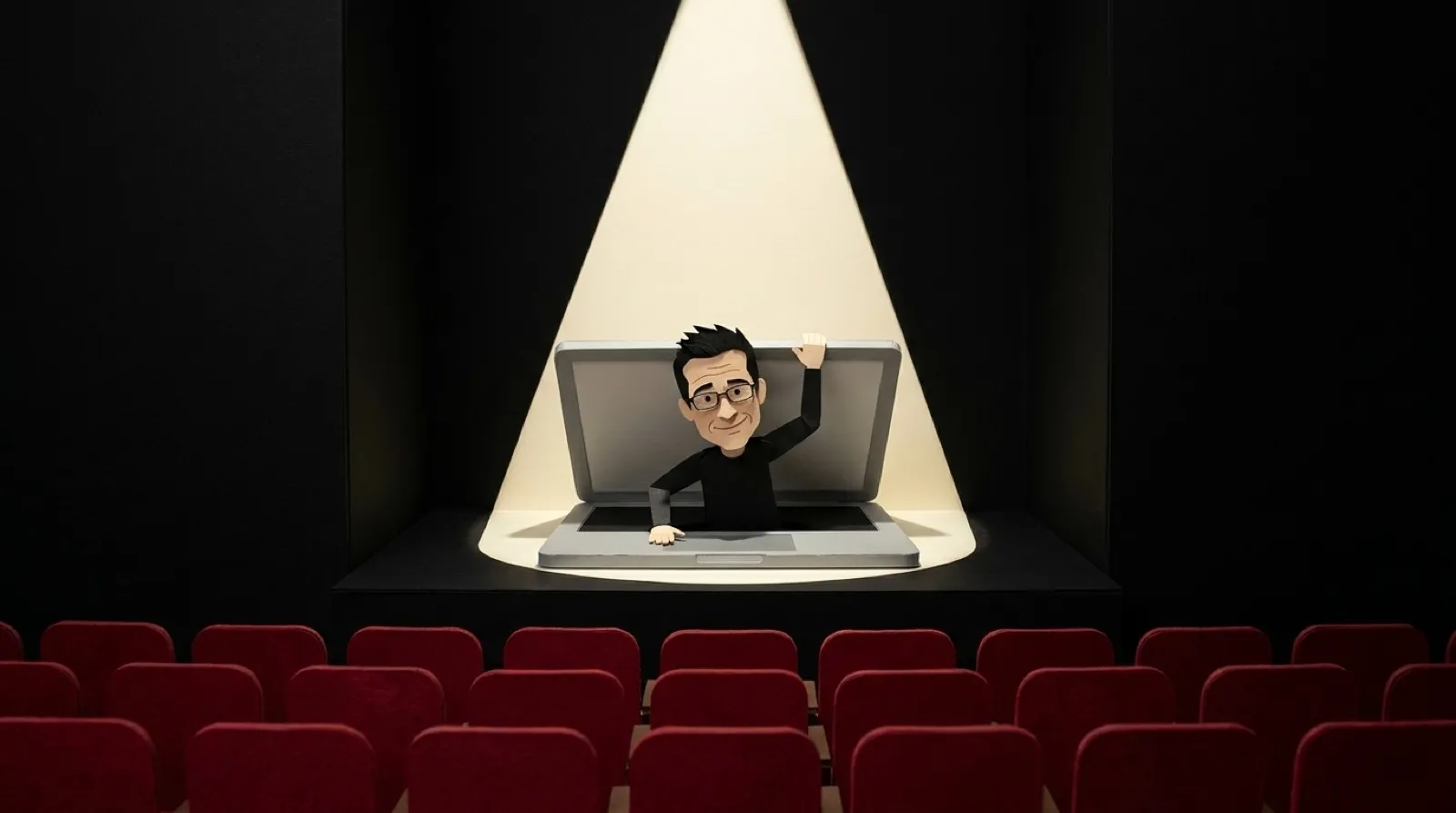
The giant laptop opened, Windows 2000 appeared to sign in, and the announcer introduced Patrick Stewart. Onto the stage bounded a crew member wearing a headset who was there to let the camera and lighting operators check their positions.
Chen had slipped through an unlocked door into the upper level of the auditorium before the launch. He got to see the opening rehearsal and its substitute celebrity. Stewart could sit that one out.
Chen’s November 2 post is a participant’s memory of the event. He describes the enormous mock computer as “10-meter tall,” with side screens and curtains concealing other stage surprises.
The launch itself went ahead “With the real Patrick Stewart,” Chen writes. Chen says he kept the host’s identity to himself when he rejoined the waiting crowd; the headset hadn’t ruined the surprise for everybody else.
The setting was San Francisco’s Civic Auditorium, with an accompanying expo staffed by members of the Windows 2000 team. Chen had been selected to attend the launch as well as the surrounding work. Arriving early gave him time to explore, and an unlocked door put him above the empty room before the audience came in.
The stage was arranged to show several kinds of material. Side screens could carry slides, recorded videos or a closer view of something happening onstage. Curtains concealed later surprises, and desks and demonstration areas occupied the set. The enormous laptop was one piece of a production with quite a few places for a presenter or camera to be looking.
Chen recalls an announcement that the opening rehearsal would start in one minute. About ten minutes later, it began. Even the countdown had room for the sort of delay a team rehearses to survive. The laptop lid moved, the apparent Windows sign-in led into a montage, and the celebrity introduction supplied a cue for the substitute’s entrance.
The stand-in had a very specific purpose: give the camera and lighting crews someone to frame. His presence could answer whether an entrance landed in the right place while leaving Stewart’s performance for the event itself. Chen’s account does not establish that every software demonstration was exercised in that same run-through.
That limit is useful for a smaller launch. A person can rehearse an entrance, a screen change or a microphone handoff separately, then still need a real test of the application being shown. Knowing what the substitute stands in for keeps a successful stage rehearsal from being mistaken for proof of a working demo.
Chen went back outside without revealing the host. The eventual audience therefore got the real entrance with its surprise intact, while his story leaves the next product presenter with a different question: which parts of their next rehearsal require the real system to be there?
A small modern product team can borrow that habit of isolating what a rehearsal is testing, without borrowing the giant laptop. The next run-through still needs an answer to which failure the practice is meant to catch.