
Hacks & BuildsESPHomeHome Assistantsensors
A dead CO₂ sensor looked healthy in Home Assistant, so this build makes it flash
Bill Collis published the firmware, fault tests and limits of a bedroom monitor that refuses to keep a reassuring number on screen.
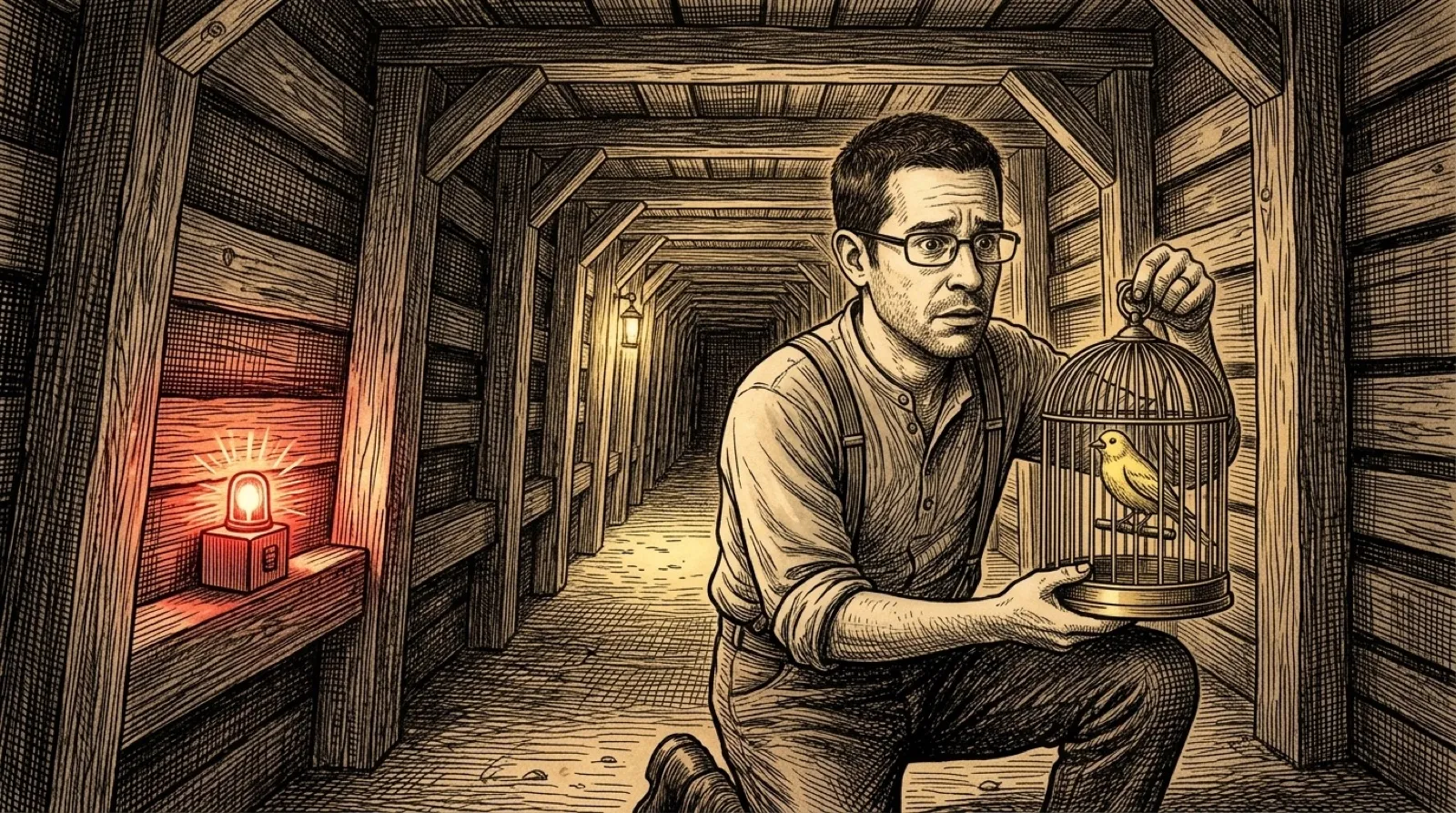
Home Assistant could keep displaying a perfectly plausible carbon dioxide reading after the sensor stopped answering. Bill Collis built around the uncomfortable resemblance between a calm dashboard and a broken cable. The number could sit there looking reassuring long after the thing measuring it had checked out.
His bedroom node pairs a Sensirion SCD30 breakout with a Seeed XIAO ESP32-C3 and reports through ESPHome. A second node is planned for the family room, but the project’s status page says that one has not been built. One bedroom is enough for this experiment; the whole house does not get honorary test coverage.
“The acceptance test is what the node reports at that moment,” Collis writes about the failure. Staying connected to the network tells you the controller is alive. It leaves open the more useful question of whether the attached sensor is still giving it measurements.
The shared firmware configuration sets a 240-second stale-data limit. It changes the fast CO₂ entity to unknown and raises CO2 Sensor Fault. In firmware 1.4, the slower averaged CO₂, temperature and humidity entities follow by 330 seconds. That distinction matters when a dashboard contains several views of the same sensor.
The fault light strobes at 5 Hz. Once the data has gone stale, the enclosure gets to clear the air about whether it is actually measuring the air. An attractive dashboard can be very polite about delivering bad news (sometimes too polite).
The recovery logic waits 900 seconds before rebooting to rerun sensor setup. A counter stored in flash limits consecutive recovery attempts to three. After that the controller stays running with its fault visible, avoiding an endless restart cycle that keeps hiding the original failure behind another startup screen.
Collis separates what happened on the device from what passed in simulation. On October 27, with firmware 1.1, he unplugged the SCD30 and saw the fault at 259 seconds, Home Assistant’s unknown state, and the strobing light. That unplug test had not been repeated on 1.4. The 900-second recovery reboot and the light stopping after a good reading remained unobserved on hardware.
That is refreshingly specific. A firmware build and a simulated fault test can exercise logic, while a loose cable tests the assembled thing. The repository documents both kinds of evidence, including the gaps, rather than allowing a successful compile to take credit for a physical test it never ran.
The healthy path had its own evidence: the bedroom node ran 111.65 hours across five nights without a reset. That result describes one node, one room and a short window. It cannot certify every failure path, but it does tell someone copying the build what has actually been lived with.
This is a DIY measurement project, with its code and test history available to inspect. Its most useful feature is a plain admission on the screen when the measurement has stopped arriving.
The dashboard finally draws a blank.