
Apple hid a prison-bars icon in Macintosh ROM for a courtroom reveal that never happened
Susan Kare’s concealed artwork was designed to make a copied machine identify its own borrowed software, according to Andy Hertzfeld.
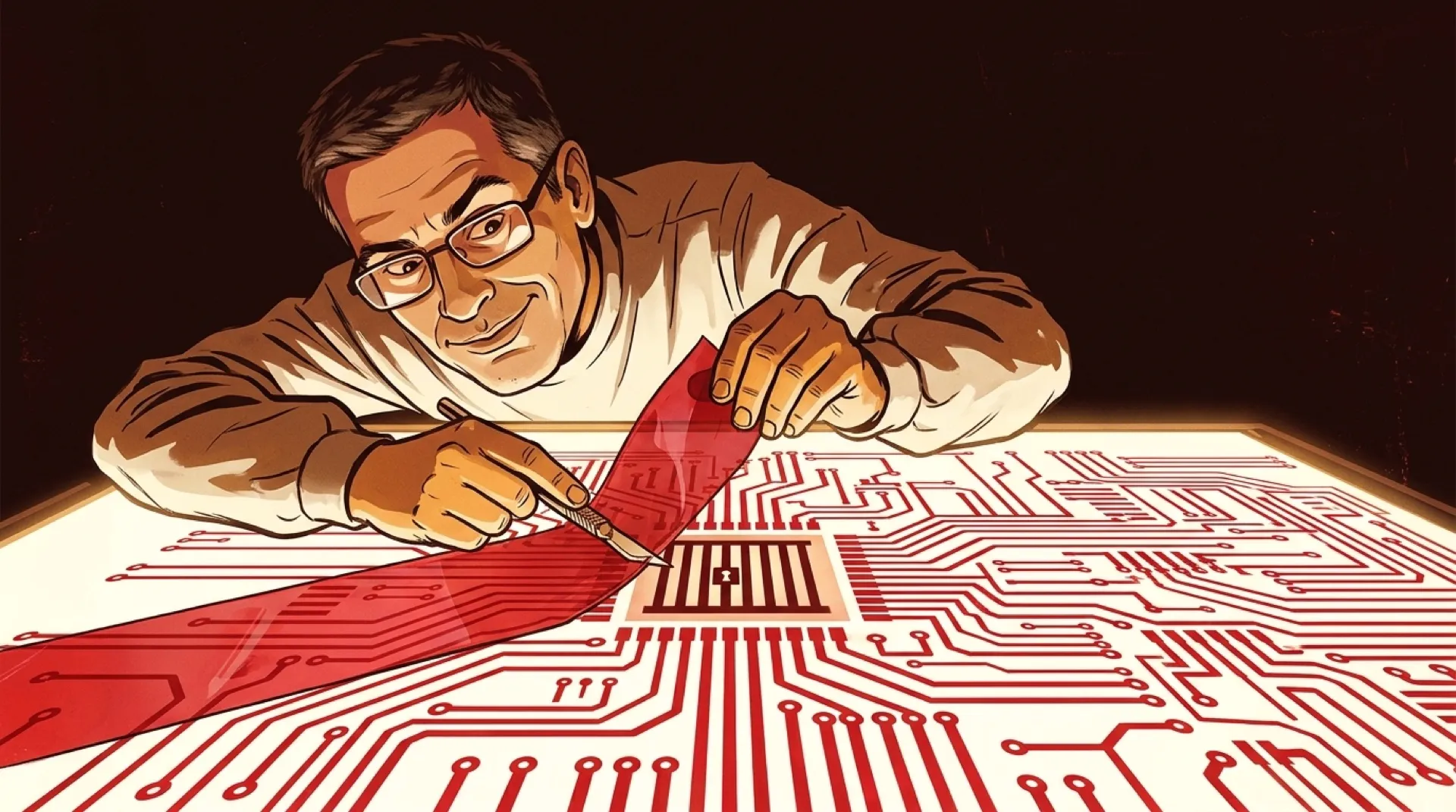
Steve Jobs wanted a computer to incriminate itself during a trial. A few keystrokes on an unmodified clone would bring up a large icon saying “Stolen From Apple,” complete with prison bars. Subtle branding had apparently taken the afternoon off.
Andy Hertzfeld’s account of the hidden ROM routine describes Susan Kare making the icon and Steve Capps supplying a compression technique. Compression saved space and made the image harder to recognize in the ROM. The team tucked its display routine among data tables, where somebody inspecting instructions might overlook it.
To reveal the image, a person entered the debugger, supplied a six-digit hexadecimal address and typed G to execute the routine. The proposed evidence would live inside the machine being examined. It was a little software watermark with unusually strong feelings about the copier.
Hertzfeld says Jobs liked the demonstration. He also says he knew of no commercial project that copied the ROM and made the trap necessary. That limit is essential: the account supports a planned reveal, not a story about the icon winning a lawsuit or stopping every attempted clone.
The reason compression matters here goes beyond squeezing a picture into a small memory budget. An ordinary image carries recognizable structure. Transforming it means somebody searching for the obvious shape has a harder job. A viewer gets an accusation only after the hidden code turns the packed data back into a picture.
A marker can be technically clever without being a complete copying detector. If someone removes the routine, the mark disappears; if someone finds it, that discovery says little by itself about a commercial product. Those are different events, and combining them would turn this tidy piece of engineering into a rather untidy claim.
For somebody preserving old software, the practical value is knowing where the intentional oddities may be hiding. A table can include more than numbers for ordinary application behavior. The author’s recollection helps distinguish a deliberate surprise from damage or unexplained junk in an old image.
The same account follows developer Steve Jasik’s hunt for the secret. Hertzfeld recalls several years of incorrect theories before Jasik identified the compressed icon and entry address. He remained unsure whether Jasik solved it independently or received help from somebody with source access.
That uncertainty is a better ending to the hunt than inventing a defeated cloner. The person who eventually exposed the secret was looking for the secret. The intended courtroom audience never got its scheduled show, and a surprisingly determined debugger user supplied the encore instead.
Jasik found the bars.