
The Macintosh team’s pirate flag went up with rusty nails and survived a Lisa-team heist
Andy Hertzfeld remembers an internal Apple rivalry whose prop began as cloth, paint and an Apple-logo eye patch.
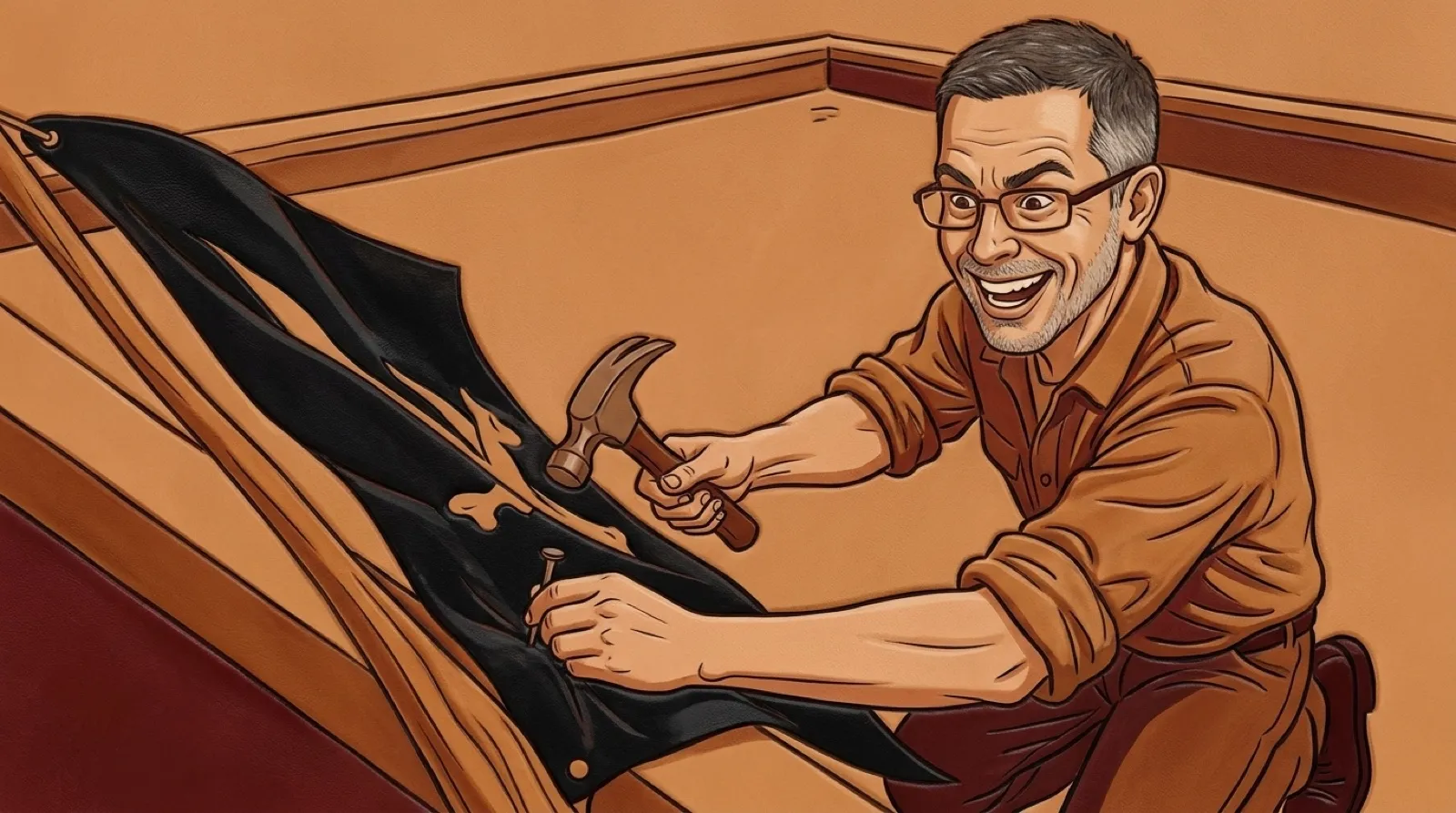
Apple’s Macintosh pirates had a facilities problem. Their new flag needed to fly above Bandley 3 before the team arrived on Monday, and Steve Capps had reached the roof without a well-stocked tool kit. He found a few long, rusty nails and used them to secure the pole. Corporate culture had reached the hardware stage.
The firsthand account by Andy Hertzfeld puts the move in August 1983. The Macintosh group had grown to more than eighty people and was becoming a division. Earlier that year, Steve Jobs had urged the team to preserve its rebellious streak with the line, “It’s better to be a pirate than join the navy.” A growing organization evidently needed a way to signal that the paperwork had not won yet.
Capps bought black cloth and sewed the flag. Susan Kare painted the skull and crossbones, and an Apple-logo decal became the eye patch. The result gave an otherwise ordinary office building a conspicuous identity. That small practical detail matters: a slogan in a retreat room became a thing people could actually see on their way to work.
Hertzfeld describes colleagues standing watch while Capps explored the roof. Draping the cloth there did not work well because it was hard to see, especially when the wind curled it. A thin metal pole left among construction materials supplied the missing structure. A building full of people designing a computer still needed someone to solve the very old problem of keeping fabric up in the air.
The team was unsure how Jobs would react. In Hertzfeld’s recollection, he and almost everyone else loved it. That acceptance let the flag become part of the building rather than a one-night prank. The story offers a fairly literal example of a symbol sticking because someone gave it a useful location and management allowed it to remain there. The nails probably helped (unbudgeted infrastructure).
Then the Lisa team stole it. The rivals had their own building and, apparently, spare capacity for an acquisition. Hertzfeld remembers a possible ransom note but expresses uncertainty about that detail. The Mac group went over to recover the flag, with Capps wrestling it from a secretary who had hidden it in her desk. That part of the account needs no imaginary executive memo to make it ridiculous.
The flag returned to the roof and stayed for more than a year. Later it disappeared again, and Hertzfeld’s account says he did not know what happened to it. That is where the evidence stops. A modern reproduction or another pirate flag cannot supply the original’s missing custody history just because the skull looks familiar.
Teams looking for a culture lesson could start with the modest physical act: people made something specific together, attached it to their workplace and cared enough to retrieve it. Ordering branded merchandise does not guarantee the same response. The original object also remains an archival question in this telling. Before anyone writes a triumphant museum label, somebody still has to locate the flag.
The original flag is still missing.