
db-branch creates disposable database branches with ZFS instead of copying every byte
A beta tool puts local MySQL and PostgreSQL experiments behind a reset button and an expiration time.
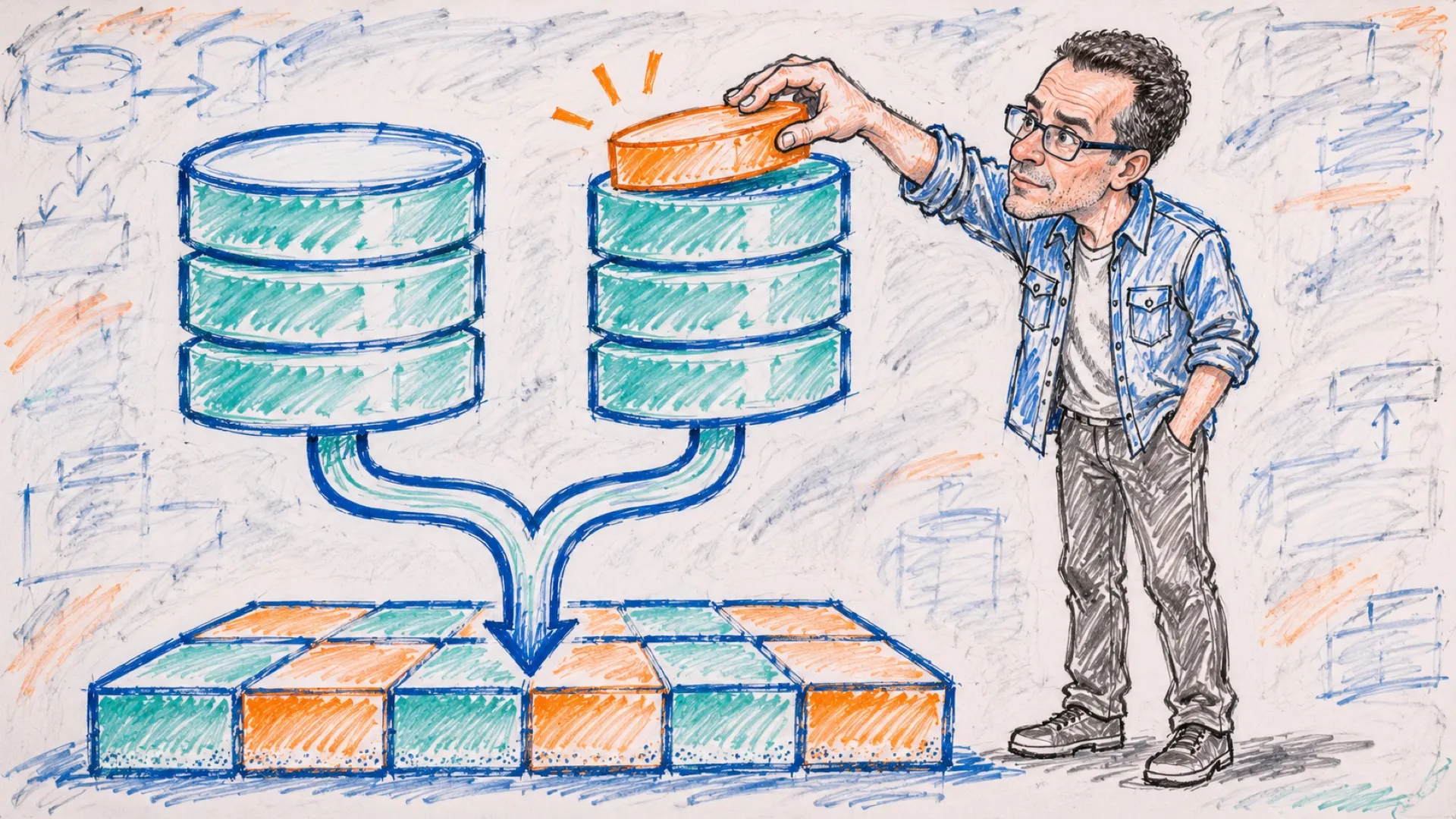
A database migration is a lousy place to discover that the test database takes longer to copy than the change takes to write. db-branch uses ZFS clones to give MySQL and PostgreSQL a fresh branch without duplicating all the underlying data at creation. The experiment gets its own writable state; the storage doesn’t immediately need another full-sized helping.
The project README is explicit about maturity: “Status: Beta.” Its interfaces may change before 1.0. That’s a useful sentence to keep beside the exciting performance claims, especially before anybody puts a new service between production data and a very confident experiment.
On the project’s own three-node cluster, it reports a PostgreSQL branch ready in roughly half a second and a MySQL branch in about three seconds, with zero bytes copied at creation. Those are the maker’s measurements. They describe that setup, rather than a promise that every database on every disk will be ready before a finger leaves Enter.
Copy-on-write explains the trick. A new branch begins by sharing existing storage, with changes consuming space as the branch diverges. Creating the branch and maintaining a busy, long-lived branch are different storage questions. The initial shortcut doesn’t make future writes free. The disk still expects to be paid in bytes.
The tool includes reset, checkpoints and restore. A time-to-live setting can expire a branch automatically, which matters when every pull request wants a database and nobody remembers the abandoned ones. Branches can also be upgraded independently, with a checkpoint before the upgrade and automatic rollback if it fails.
Linux and ZFS are prerequisites. The README’s Mac and Windows evaluation route uses an Ubuntu virtual machine through Multipass, including a file-backed ZFS pool for testing. That pool is specifically described as slower and unsuitable for real data. A browser demo creates nothing real, another small distinction worth reading before celebrating a successful migration.
The management surface includes a command line, REST API, web console and an interface for automated tools. The attraction is a common operation behind those entry points: create the test environment, try the change, inspect the result and reset it. A disposable database makes a bad experiment less expensive to repeat.
Disposable also needs to mean isolated in the actual deployment. Credentials, network access and the data included in a base still determine what a tester can see. The cloning mechanism answers the storage-copy problem; the operator retains the job of deciding which data belongs in the test environment.
If database branches become cheap enough to use routinely, migration review could start with a real rehearsal instead of another request for a shared staging slot. The beta still has to earn that place on a particular server.
The tables may be temporary tenants.