
Retroatari-stsidecartridgegemdriveemulation
SidecarTridge Tested All 1,831 Atari ST Hard-Disk Game Adaptations and Patched 209 to Run From a microSD Card
SidecarTridge started every hard-disk adaptation listed on 8bitchip.info from a GEMDOS drive, found 1,608 run unchanged, and rebuilt launchers so 209 of the 212 that failed now run from its cartridge's microSD card.
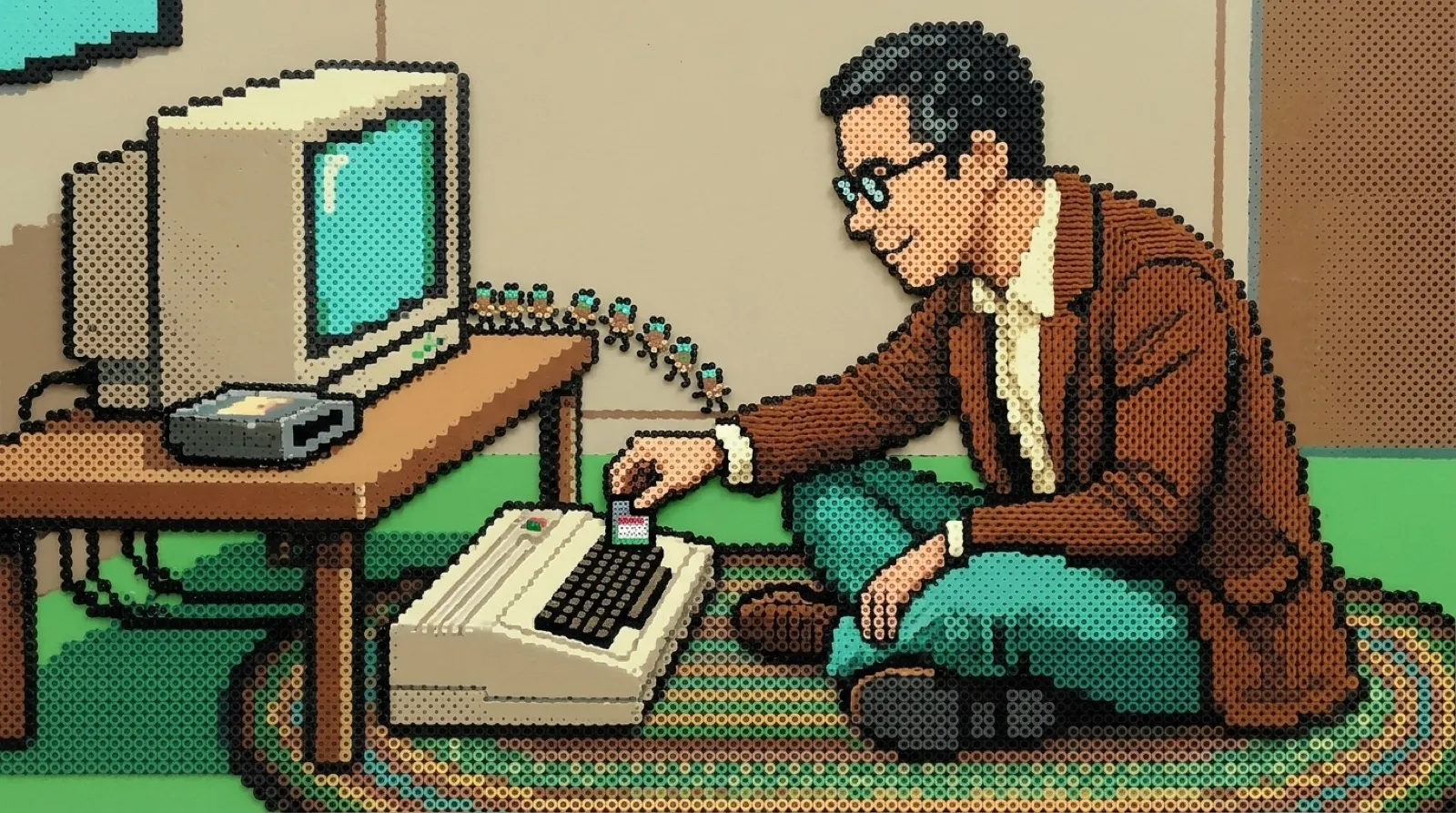
It started with Lemmings. Diego Parrilla, who makes the SidecarTridge Multi-device cartridge, wrote on the project’s findings page that “I was annoyed when I found out that I not only had to use an ACSI hard disk device to play Lemmings, but also a very specific hard disk driver.” Started from his cartridge’s GEMDRIVE, the 2011 hard-disk version of the game printed “This prg. requires PP, AHDI or Hddriver hard disk driver” and quit.
GEMDRIVE hands the ST what the project calls a GEMDOS drive: “a folder that the ST sees as drive C:, file by file, with no disk sectors.” Most games are happy with that, since they ask for files by name. A big block of them aren’t. The Gamex launchers with GOS4 or GOS5 “bring their own GEMDOS, a copy of TOS 1.04’s that runs from RAM and reads the disk sector by sector through a hard-disk driver.” No sectors, no driver, so “these 204 games, Lemmings among them, stop at the start.”
So he tested every single one. “Testing and refactoring all the games to support GEMDRIVE in my SidecarTridge Multidevice was simply impossible a few years ago,” Parrilla wrote. “But now, with the help of AI and agentic development, it was time to let the agents perform a full test of all the games in Hatari’s GEMDOS drive (the distant cousin of my GEMDRIVE) and see what happens.”
The scoreboard, from the project’s front page: “1,831 games: 1,608 as they are, 212 to fix (209 built and running), 1 not feasible, 10 unsure. 3 fail on the Multidevice.”
The biggest fix, which the project calls S1, “rebuilds the start program of the GOS games, so that GOS asks GEMDOS or GEMDRIVE for its files by name.” That got 117 of the 117 GOS4 games and 85 of the 87 GOS5 games running. Three smaller fixes cover eight more games, and seven of those run.
Every fix then went from the Hatari emulator to real hardware: an ST, an STE, a Mega ST and a Mega STE, with “the SidecarTridge Multidevice’s GEMDRIVE serving the games from a microSD card.” The real machines earned their spot on the bench. “Real machines find failures that Hatari does not show: a file that GEMDRIVE locks, memory that GEMDRIVE uses, a floppy drive that a game waits for.”
The patcher doesn’t hand out games. You “give this page a game’s ZIP exactly as you downloaded it from the 8bitchip.info website,” and it checks the file, patches it and gives it back. “Everything happens in your browser: your file is not sent anywhere,” and “the page holds no file of the games.” The cartridge itself, which “plugs into the cartridge port of any Atari ST, STE, Mega, TT or Falcon,” is listed on SidecarTridge’s store assembled “from €40” and as a developer edition “from €45,” taxes not included, shipping from Spain.
The site that lists those 1,831 adaptations has been skeptical of this whole approach for a while. Petari of 8bitchip.info opened a 2024 forum thread about SidecarTridge with “I need here to write about it’s limitations and why it is not so good for hard disk gaming,” and later advised: “do not use such adapters :-)”. The site’s hard-disk page still asks, “Is this so called GEMdrive good for running all Atari SW what works well with real Ataris and hard disks ? Answer is no.” Ten games remain unsure, one isn’t feasible without rewriting the game, and the project lists “a program that applies the fixes to a user’s own copies” as still to come. No news outlet has tested the patched games yet; this account rests on SidecarTridge’s own pages and 8bitchip’s.
Retro hardware projects usually stall at “most things work.” Getting from most to nearly all takes a list of every title and a way to run each one, which used to mean a person, a stack of floppies and a free year. Here the list came from a third party’s archive, the grinding came from agents running an emulator, and the real hardware only had to confirm the fixes. That split, cheap emulated runs for the full list and expensive real-machine runs for the changes, works for any back catalog somebody has already indexed.