
An EA Producer Found Two Media Vaults, Then Raced to Digitize 6,000 Tapes
The Video Game History Foundation’s new episode connects Jim Vessella’s archival rescue with fan expertise and playable restorations of Wing Commander and Road Rash.
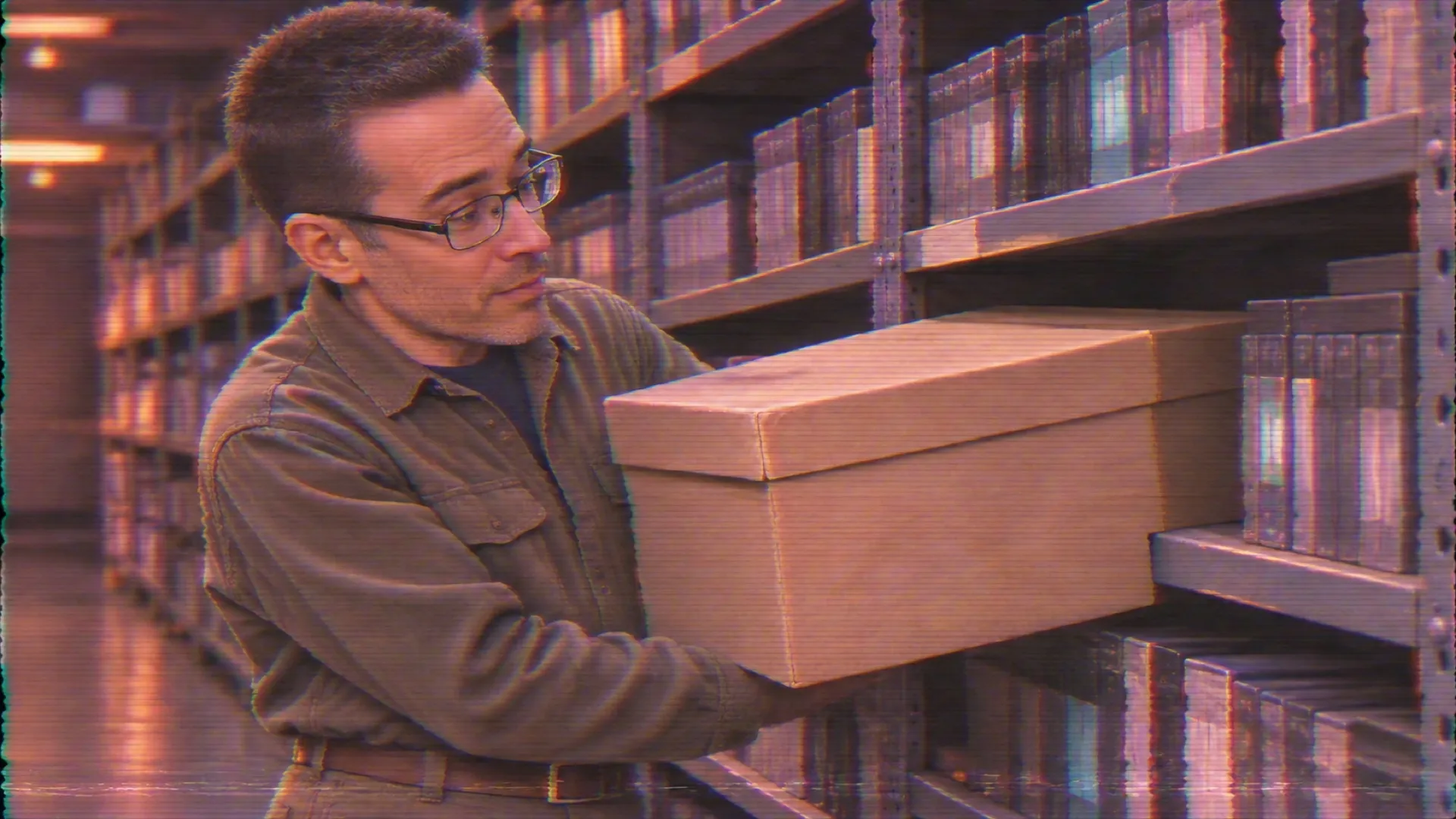
Jim Vessella uncovered two Electronic Arts media vaults in 2022. Together, they held roughly 20,000 items. Then came the deadline: the senior producer had to organize a rapid digitization effort to rescue decades of gaming history. Finding the treasure apparently came with an escort mission.
The Video Game History Foundation’s account describes footage dating back to 1982. That puts the collection’s reach well beyond a cupboard of recent promotional leftovers. Decades of material had accumulated inside the company, waiting for someone to recognize what was there and organize the work needed to recover it.
The sprint captured around 6,000 tapes and produced 70 terabytes of raw footage. Those numbers describe the digitization effort; the roughly 20,000 figure describes the items discovered. Treating them as interchangeable would make the rescue sound more complete than the supplied account establishes. A big transfer counter can still leave a big unanswered inventory.
The Foundation calls the effort a “rapid digitization sprint.” Its episode summary supplies the scale and the deadline pressure, but doesn’t explain what imposed that deadline or how much time Vessella had. There is enough here for an archival cliffhanger without inventing a demolition crew outside the door.
Wing Commander alone accounted for 650 tapes among the finds. Vessella and dedicated fan modders used that material to track down original source masters and build official, playable PC restorations of classics including Wing Commander and Road Rash. The rescue reached beyond footage someone could watch: it helped bring games back to players.
That connection gives the tape count its weight. A recovered master can become useful when someone knows what it is, understands the game around it, and can help turn it into something playable. The Foundation specifically credits passionate fan expertise with making these projects possible. The people who kept caring about old games became part of the recovery effort. Conveniently, nostalgia had retained technical support.
The publisher also gets a concrete reason to care about preservation: recovered material can contribute to official releases. That is a more useful outcome than expecting an archive to survive on institutional affection alone. Even a company with two vaults needs someone to turn their contents into a project. Storage has excellent attendance; initiative is less dependable.
If similar efforts spread across other EA studios, the promising mechanism is already visible here: locate the material, recover usable masters, and involve people who understand the games. That is a possibility suggested by this recovery, rather than evidence that another restoration is underway. This episode is Vessella’s account, presented through the Foundation’s summary; it offers no studio-by-studio inventory or promised release schedule.
The collection has already supplied a satisfying turn: forgotten company material helped make old games playable again. What might remain across other EA studios is still an invitation to look, with no further discovery established by this account.
Two vaults were only the opening.